
News
From waste to resources: CERIS/CERENA collaboration at the European Researchers’ Night 2025

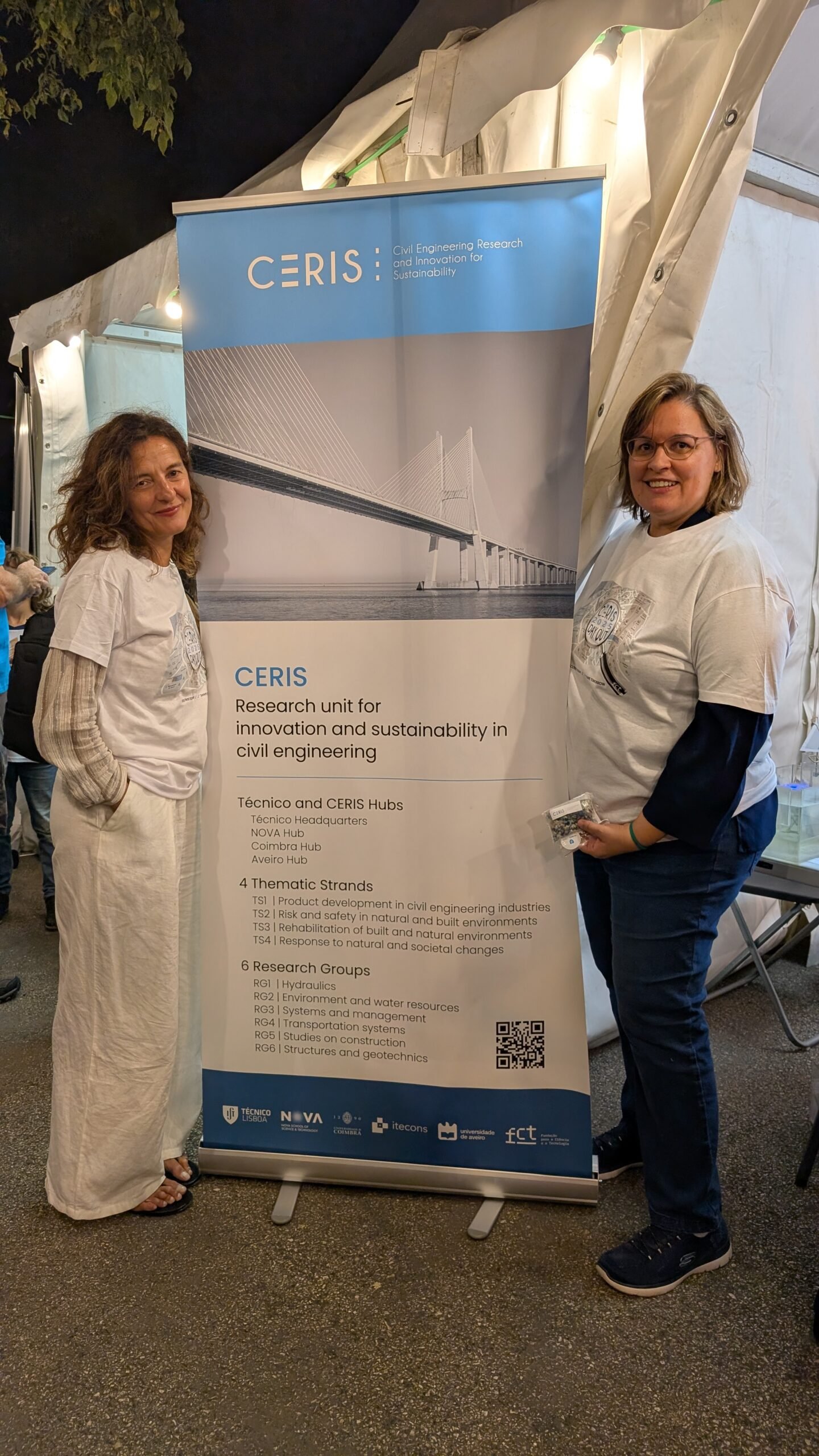
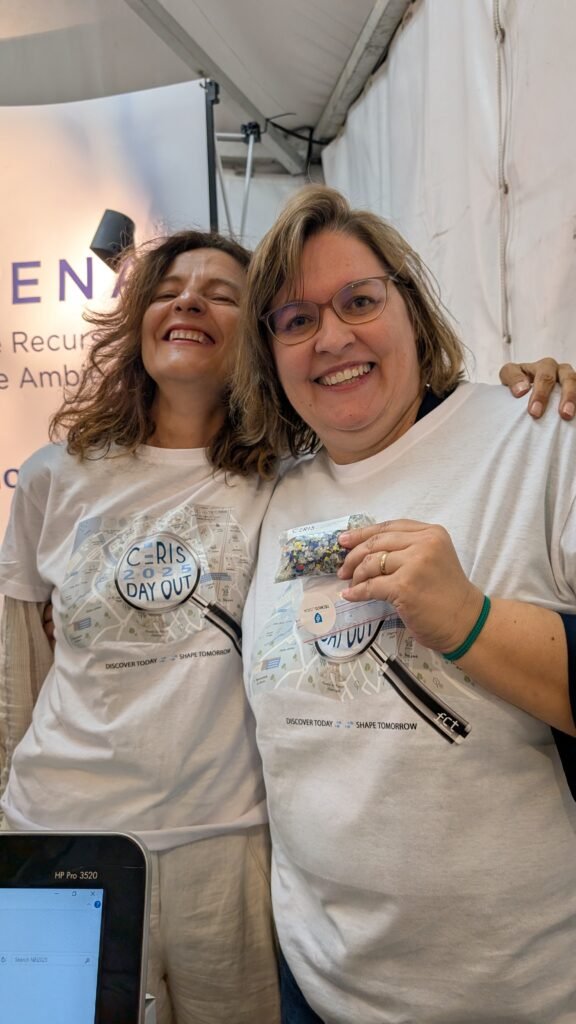
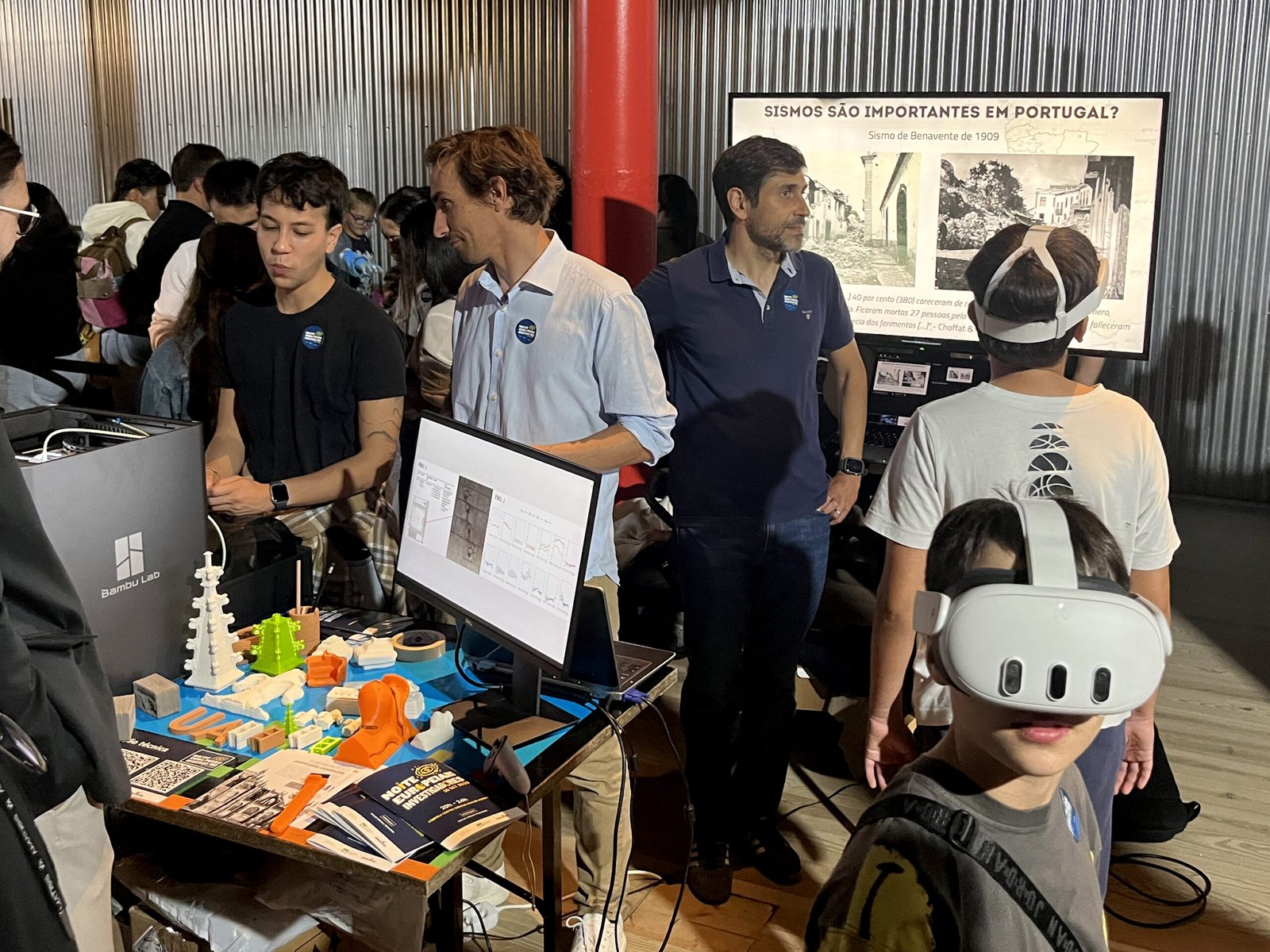
At the European Researchers’ Night 2025, held at Lisbon’s National Museum of Natural History & Science, the Botanical Garden, and the Príncipe Real Garden, hundreds of visitors had the opportunity to immerse themselves in a set of interactive and accessible activities, where science and society came together in a relaxed, informal, and fun atmosphere. In the activity presented by CERIS/CERENA collaboration, researchers and the public shared knowledge and reflections on one of today’s greatest challenges: the waste humanity produces and the urgent need to transform it into new resources for a more circular and sustainable economy.
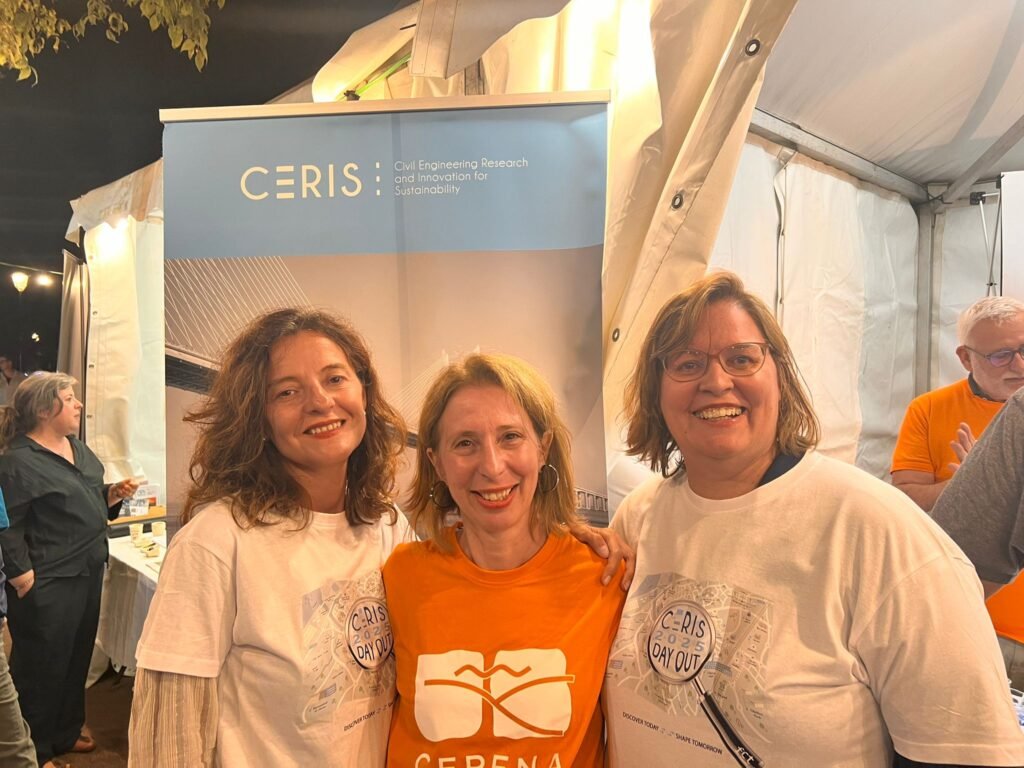
The activity was carried out with the close collaboration of two leading research centres, CERIS (Civil Engineering Research and Innovation for Sustainability) and CERENA (Centre for Natural Resources and Environment), which have been working side by side to find innovative solutions that bring together technology, environment, and society.
Waste as opportunities
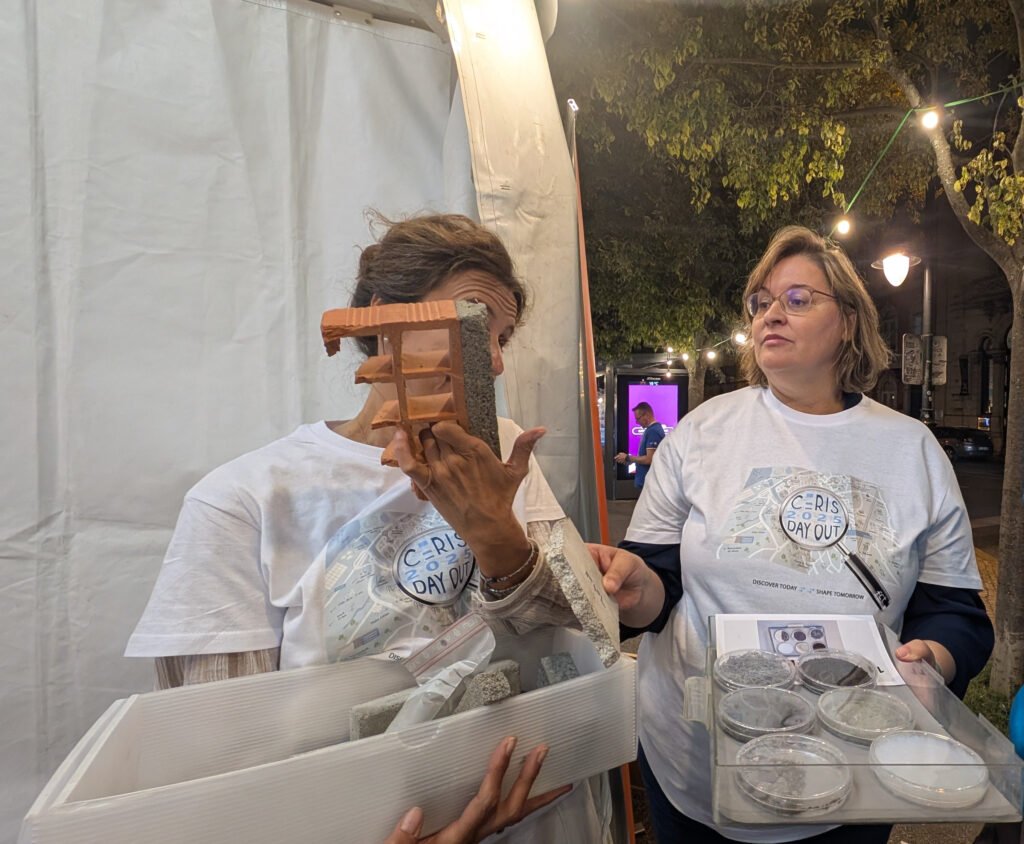
Visitors were invited to explore, in a practical and playful way, different perspectives on waste valorisation. Highlights included:
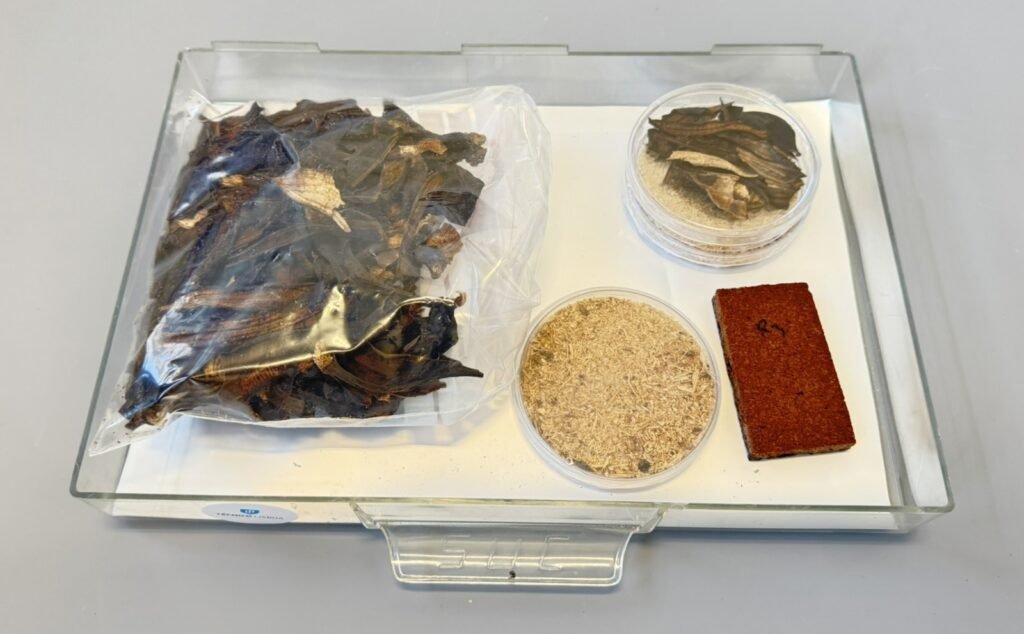
- Residual plant biomass – from banana peels, sawdust, and rice husks, to radioactivity measurements and the use of biochar in removing dyes.
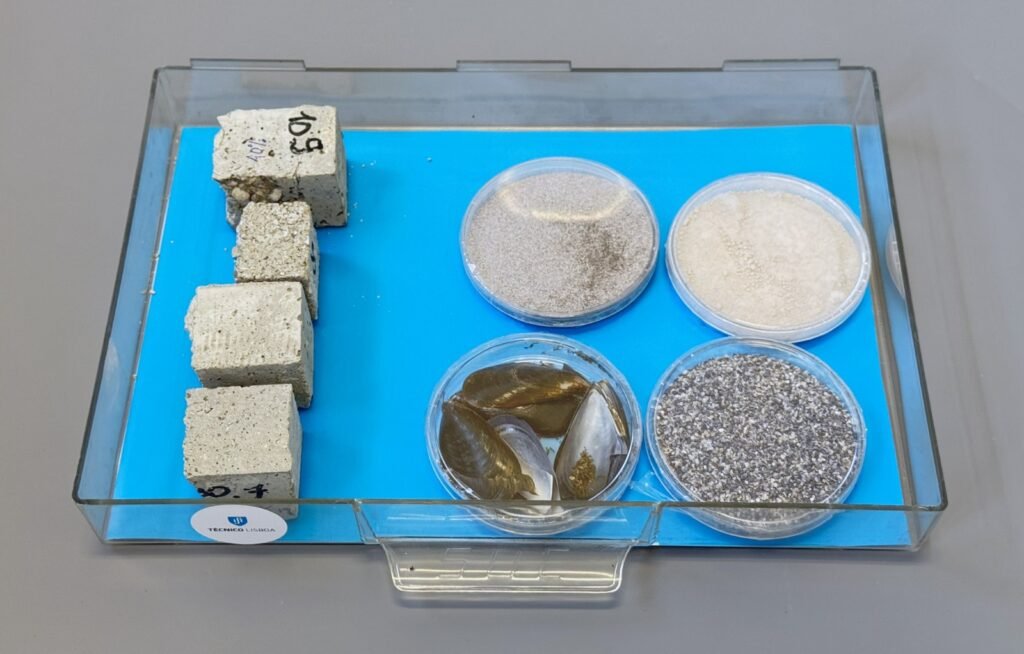
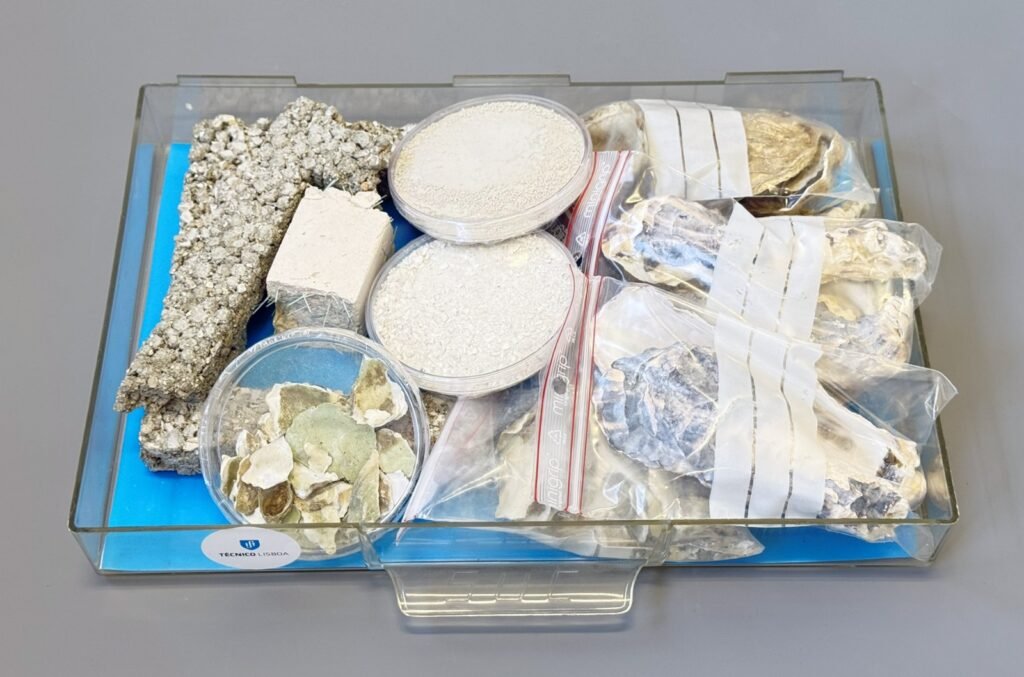
- Residual marine biomass – mussel and oyster shells transformed into construction materials within the framework of the Blue Economy.
- Disposable masks – studies on their degradation under different environmental conditions and their reuse in new materials.
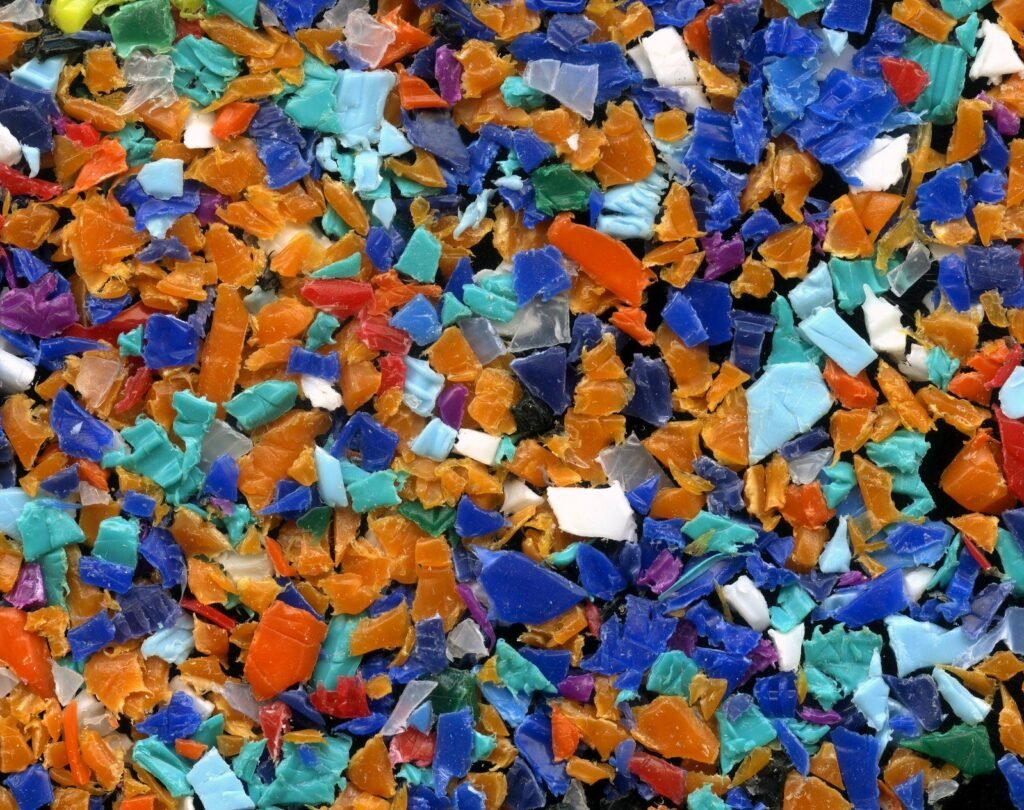
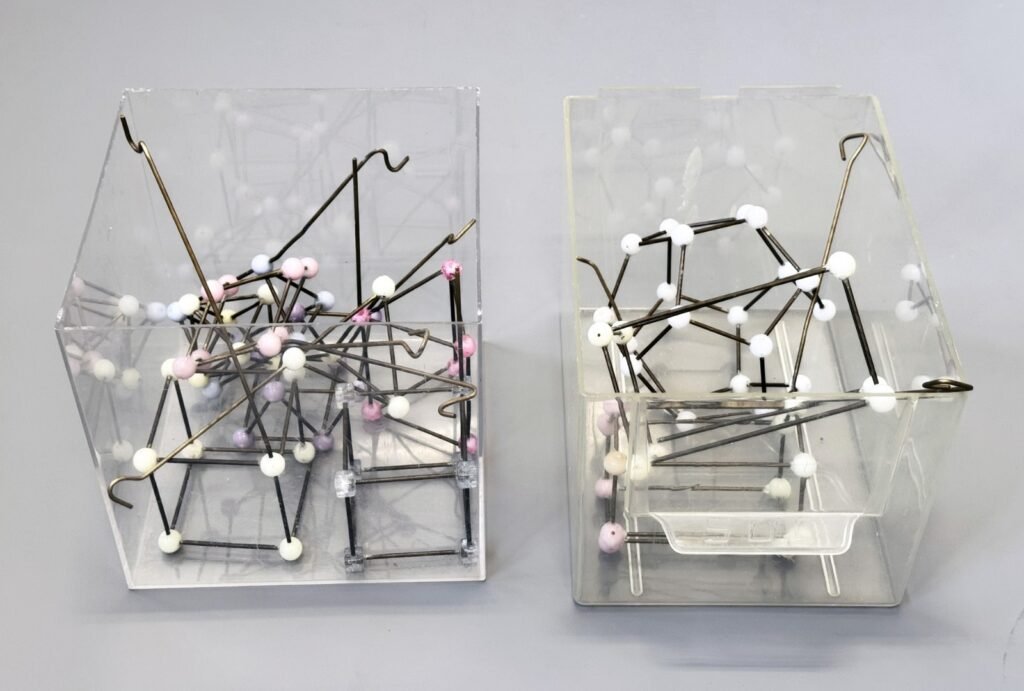
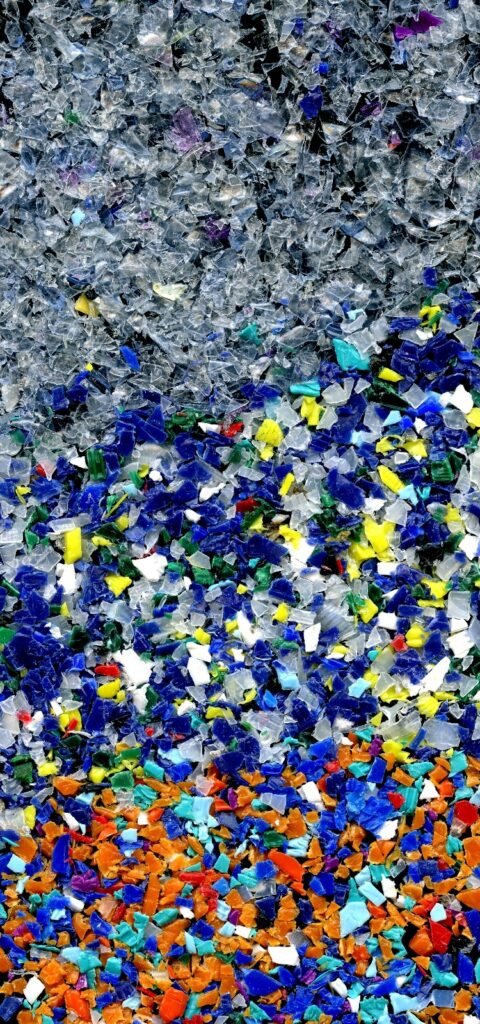
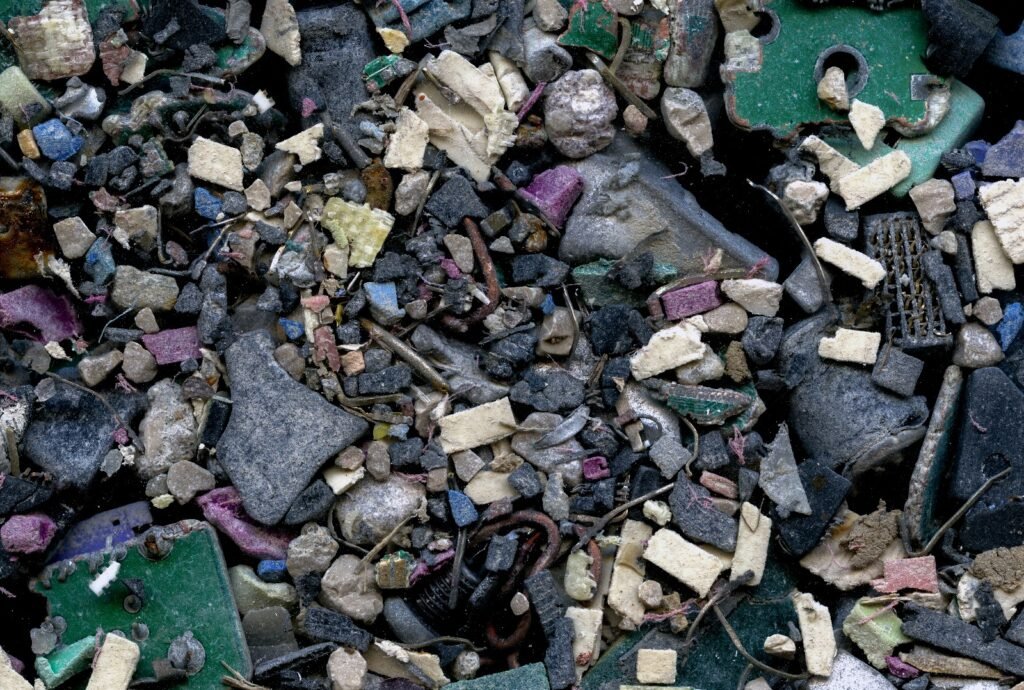
- Magnetic and gravity separation of waste – applications for plastics, electronic waste, and minerals, showing the complexity of the materials we use daily.
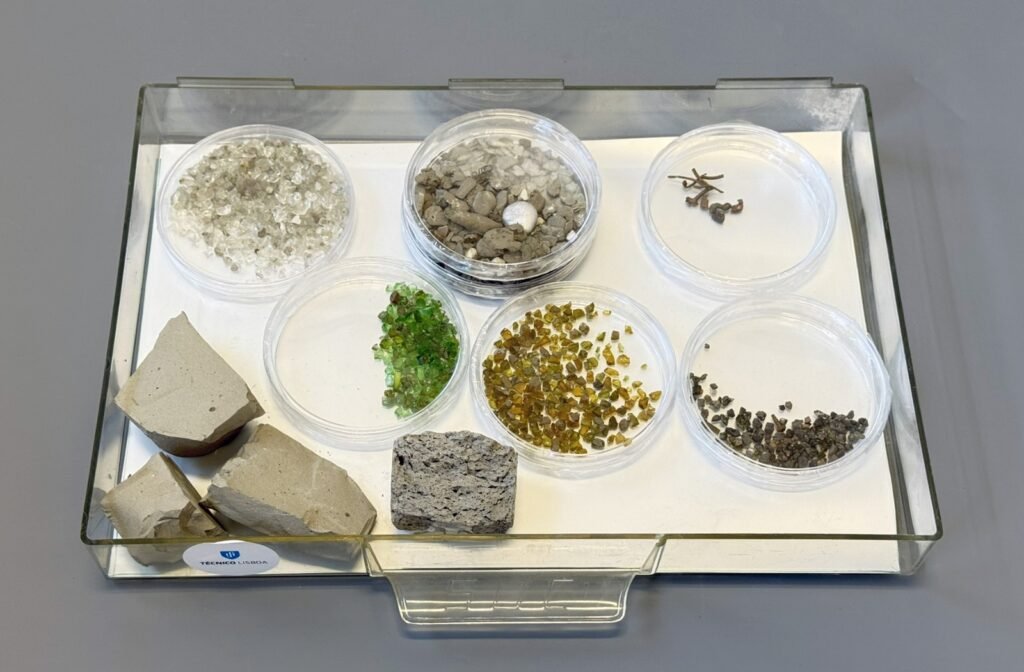
- Urban incinerated waste and industrial sludges – potential uses in construction materials, reducing environmental impact.
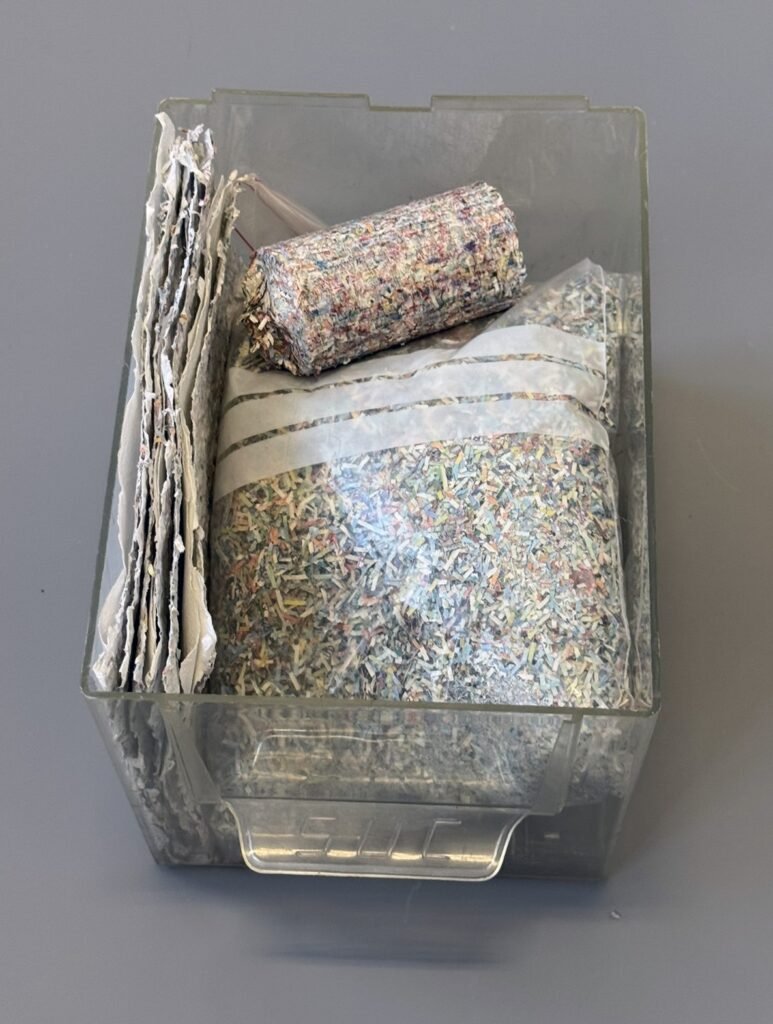
- Recycling of used banknotes and multilayer packaging – examples of creativity and the technical difficulty of giving a second life to complex products.
- Recycling of cement and construction and demolition waste – exploring alternatives for a sector responsible for a significant share of the global environmental footprint.
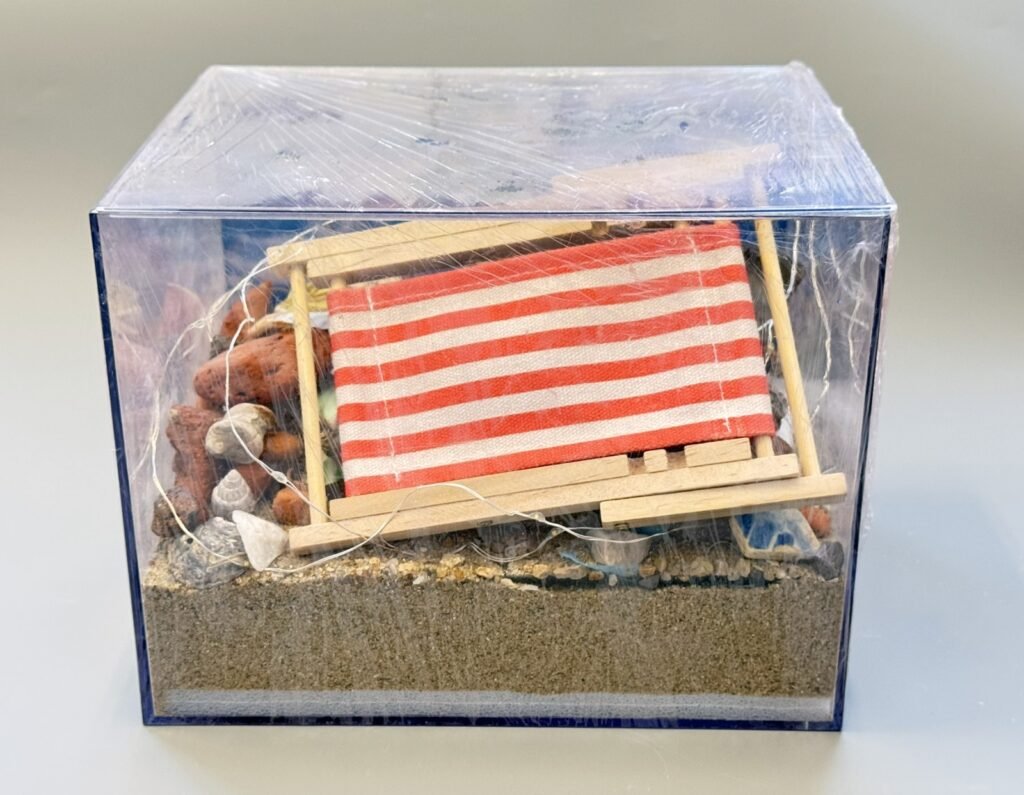
- Beach of the Future – a reflection on waste in a geological context and the impacts that persist in oceans and beaches.
Science close to people
Through these activities, researchers showed how it is possible to rethink product design, consumption patterns, and recycling technologies to tackle the growing challenge of waste production. The goal is clear: to transform problems into opportunities and create new usable resources, reducing pressure on the planet.
More than just presenting science, the European Researchers’ Night showed how research can be communicated in an accessible, creative, and inspiring way. The central message was simple yet urgent: circularity and sustainability are not options, but inevitable paths for humanity’s future.
The presence of many families, young people, and children shows that we are on the right track!