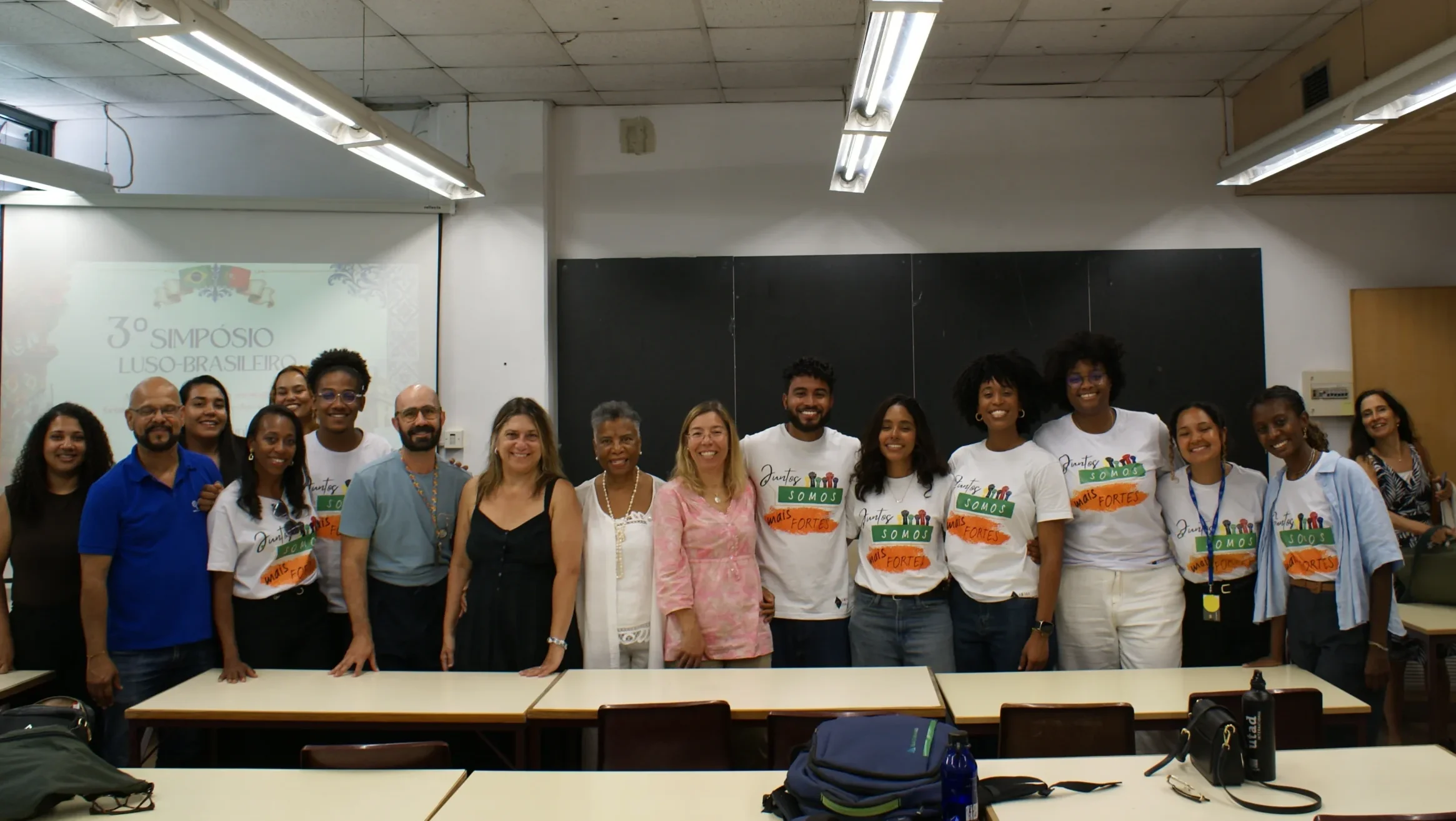
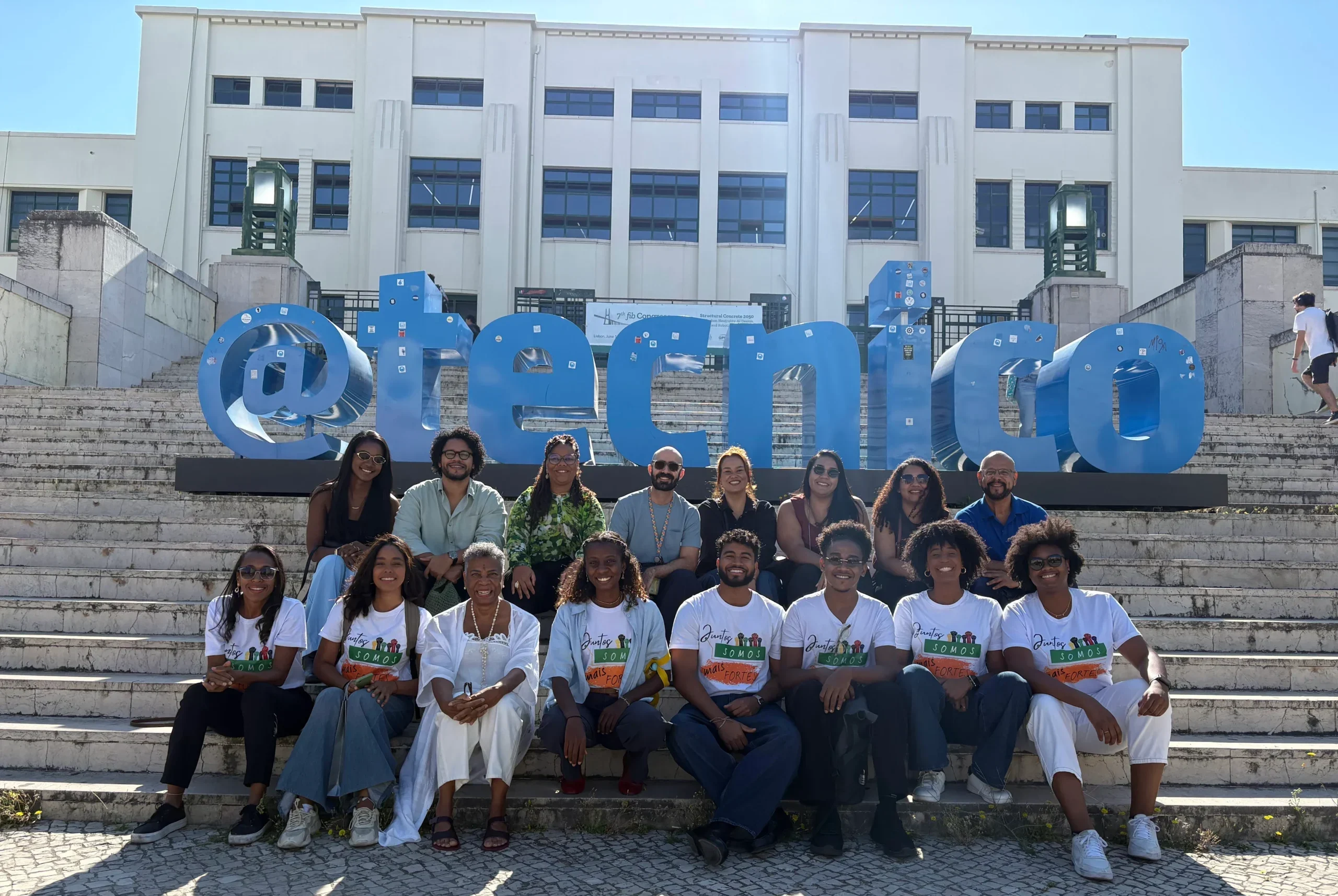
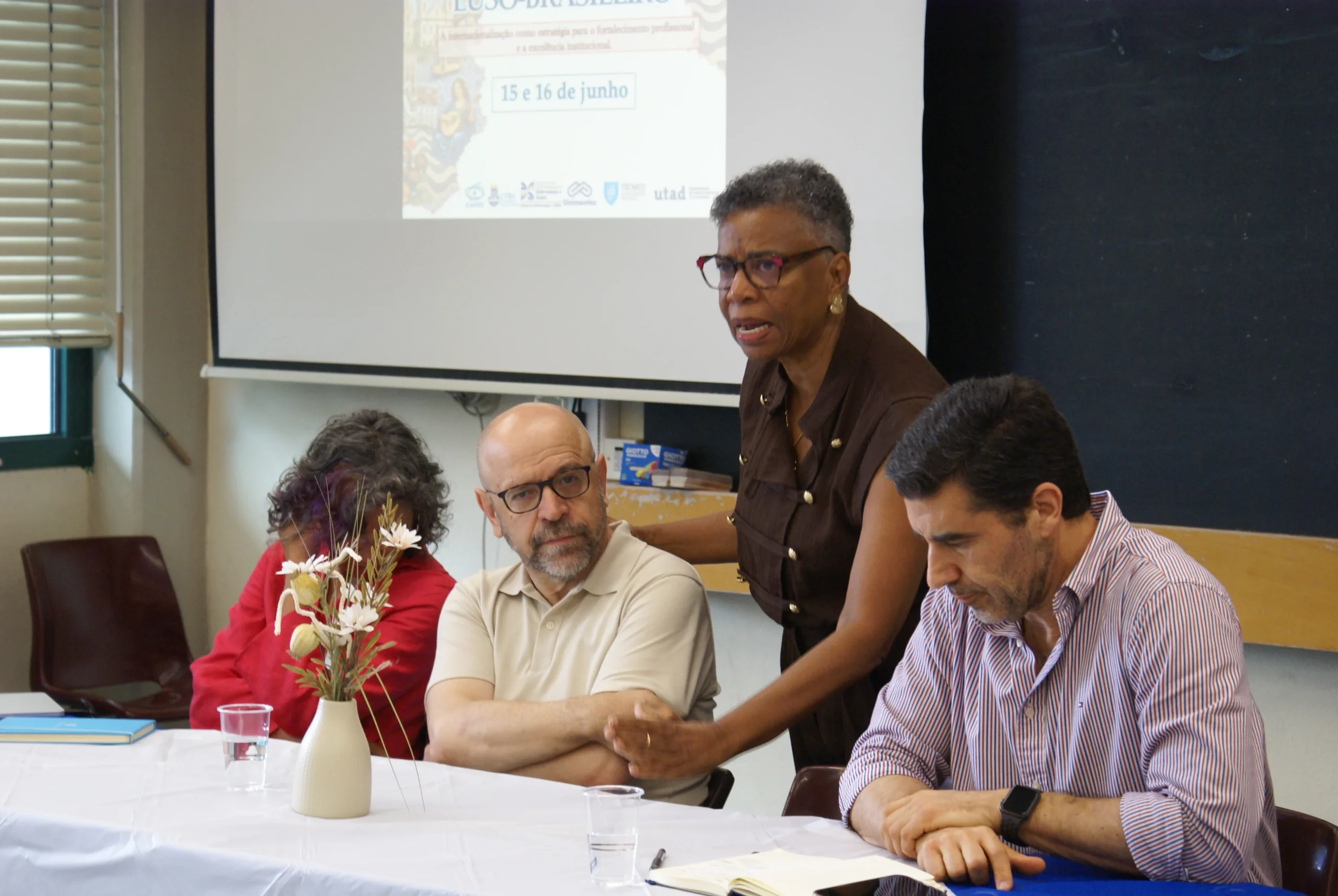
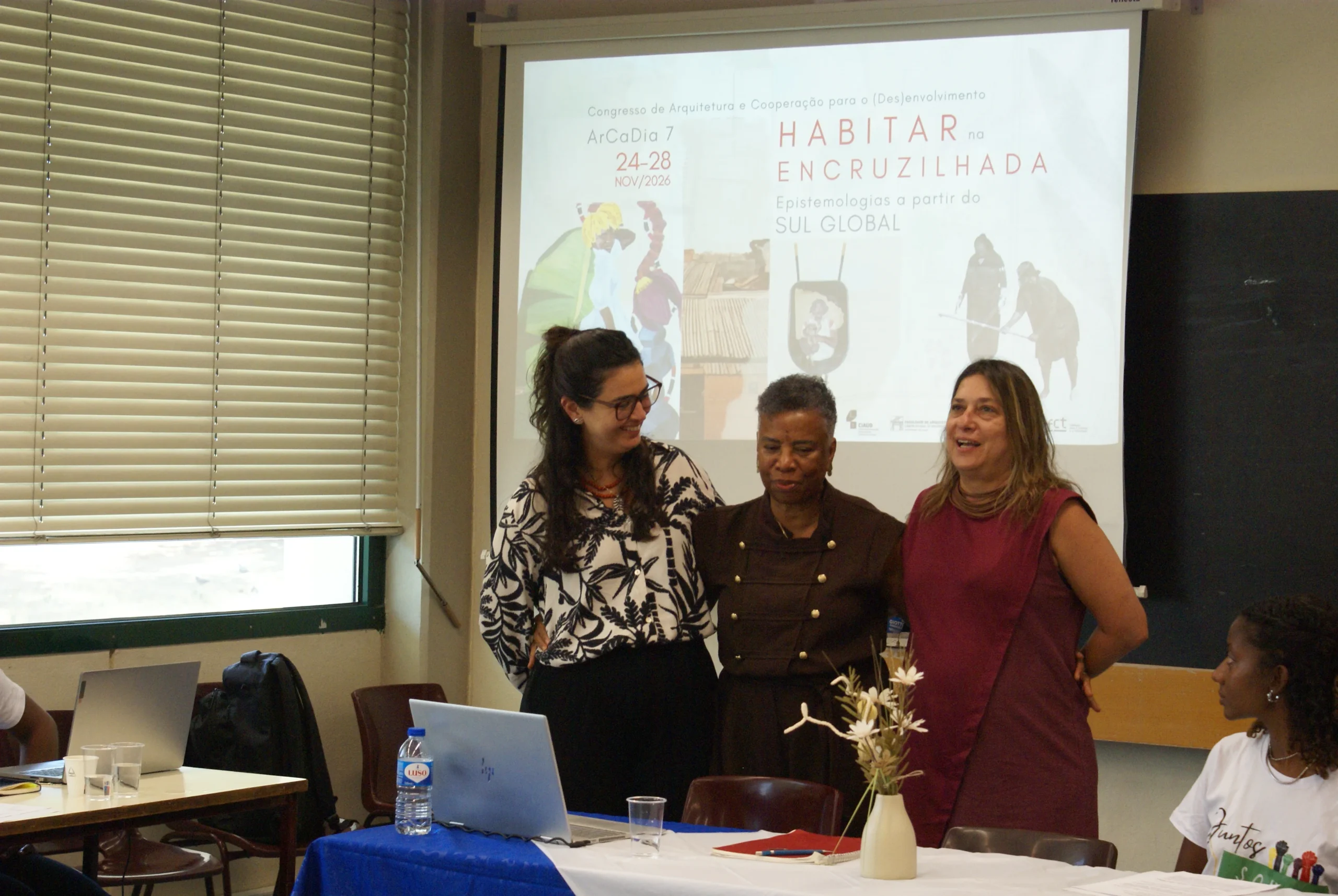
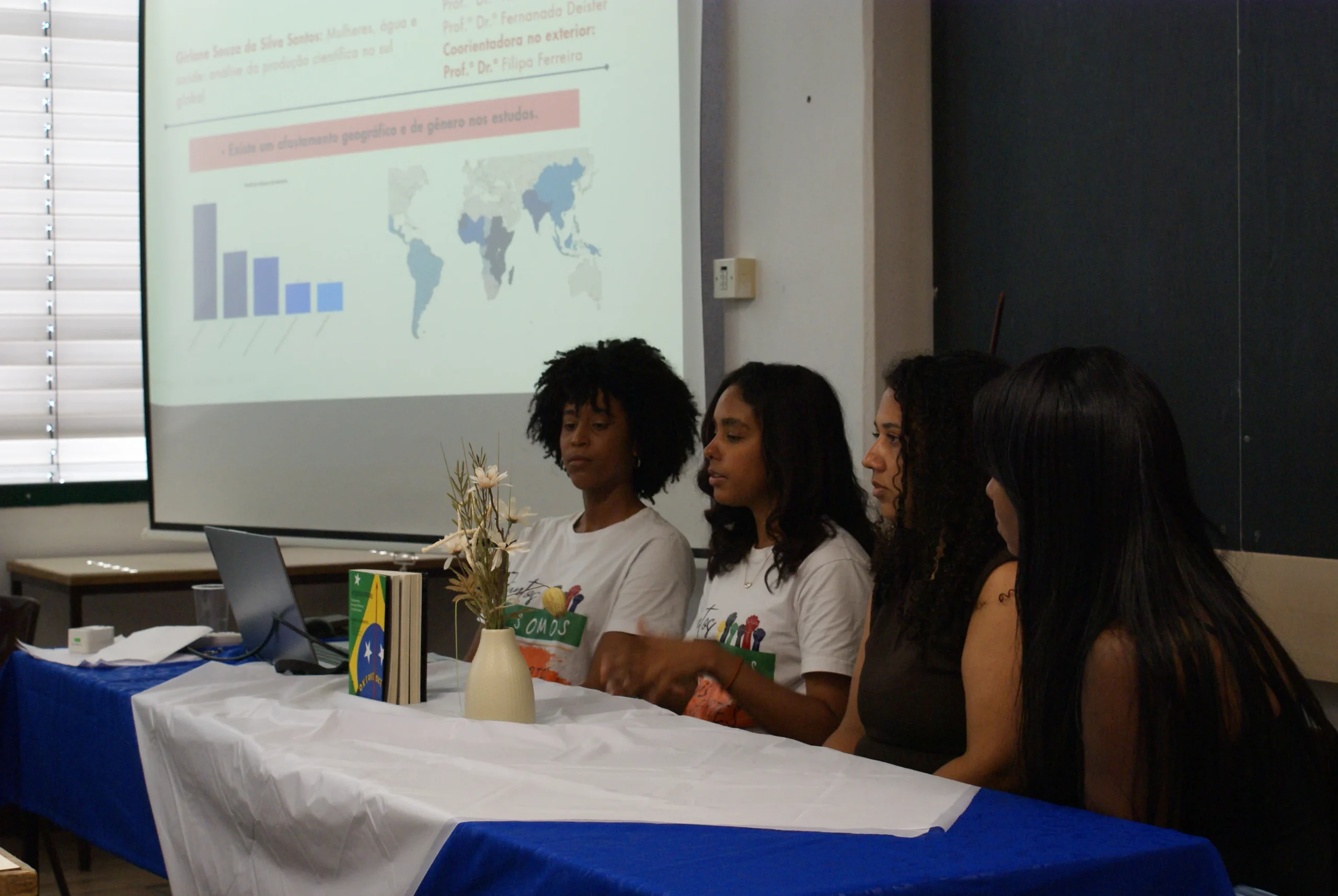
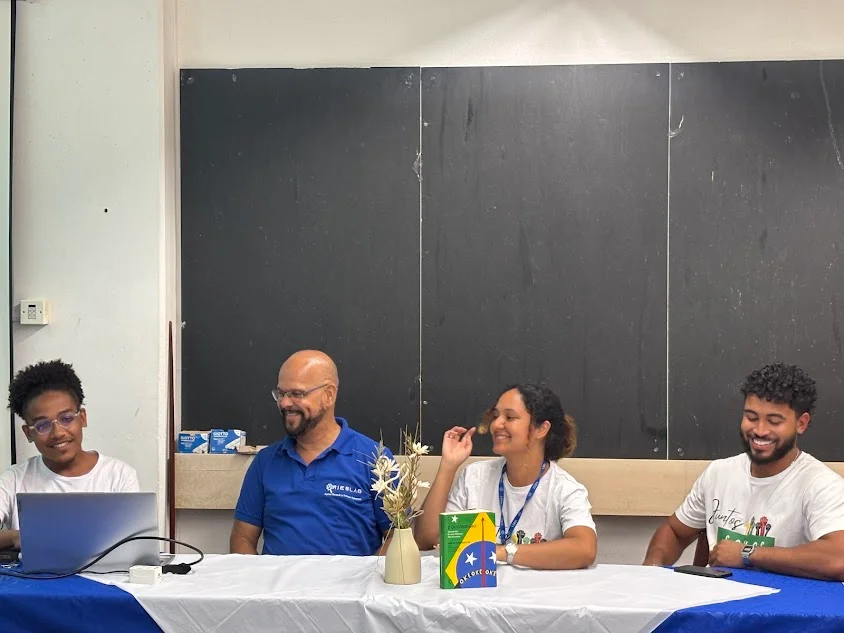
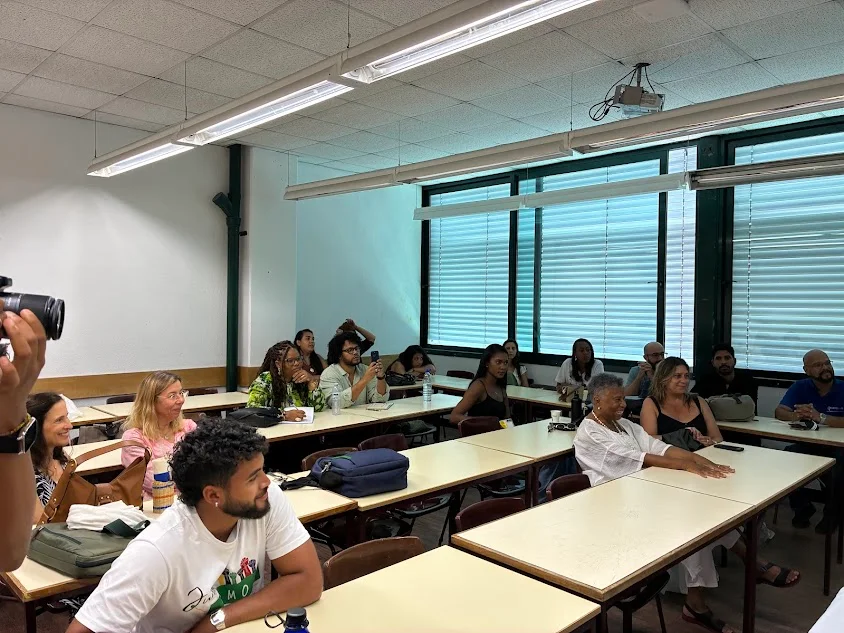
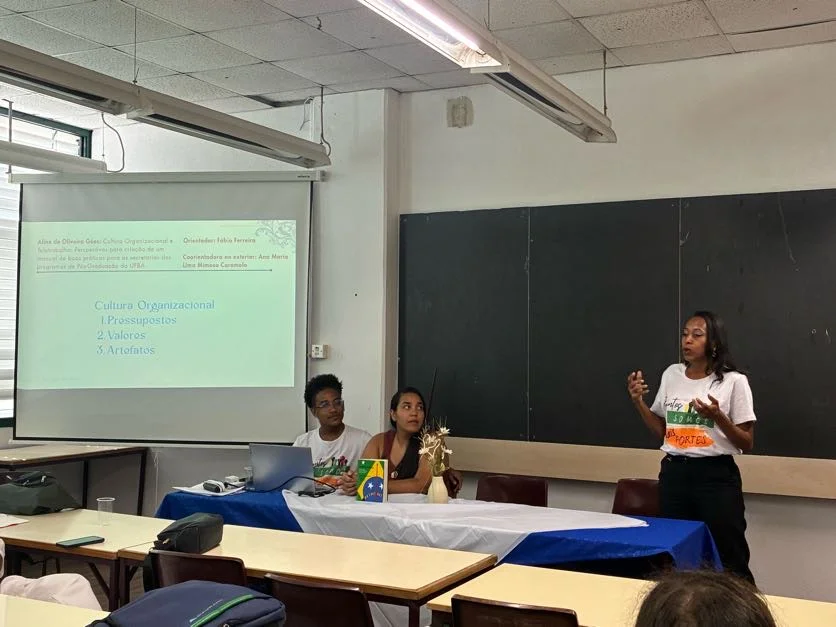
The III Luso-Brazilian Symposium took place on 15–16 June 2026 at the Civil Engineering Pavilion of Instituto Superior Técnico, Lisbon, bringing together students, academics and researchers from higher education institutions in Brazil and Portugal.
The multidisciplinary event is associated with the Postgraduate Programme in Nursing and Health (PPGENF) of the Federal University of Bahia School of Nursing and, in particular, with the Abdias Nascimento Programme (CAPES), an initiative promoting international mobility and scientific exchange between higher education institutions in Brazil and Portugal.
The programme brings together students from diverse fields, including Architecture, Engineering, Nursing and Computer Science, with the aim of fostering academic, cultural and scientific integration. Students participating in the mobility programme carry out their activities at different Portuguese institutions, including Instituto Superior Técnico (IST) in Lisbon, the University of Trás-os-Montes e Alto Douro (UTAD) in Vila Real, and the Coimbra School of Nursing (ESE).
The third edition of the Symposium provided an important opportunity for CERIS and DECivil to engage in this international academic exchange.
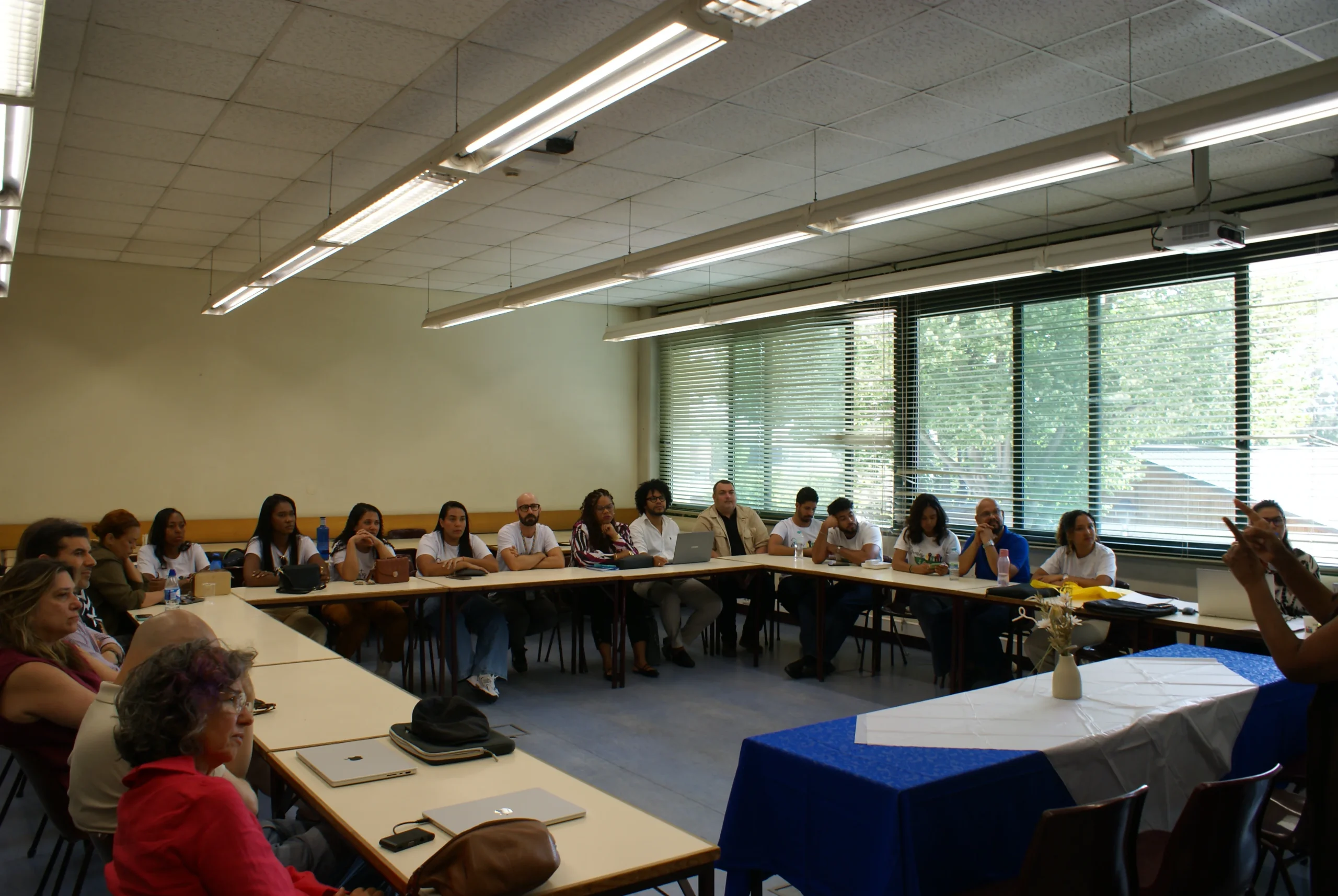
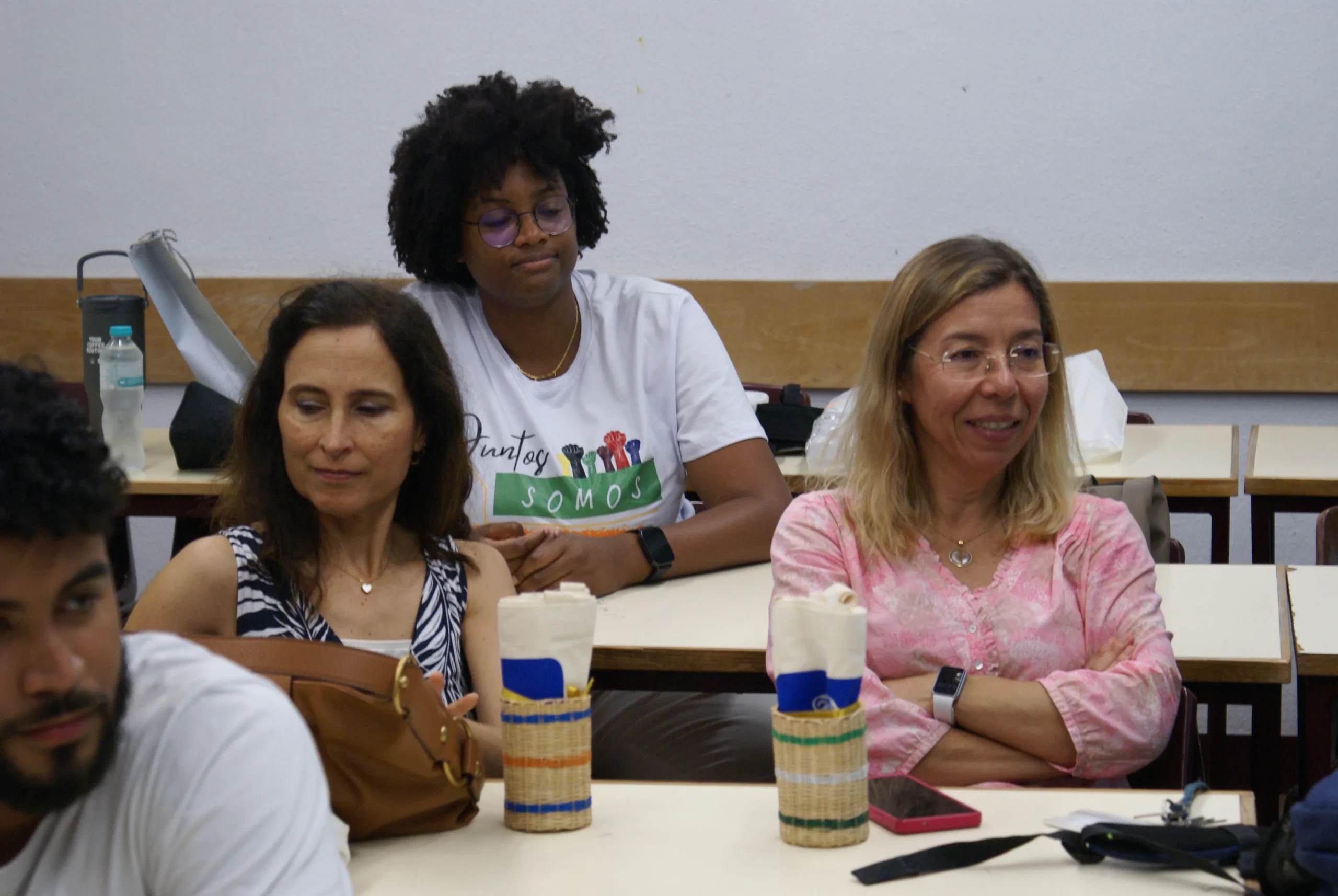
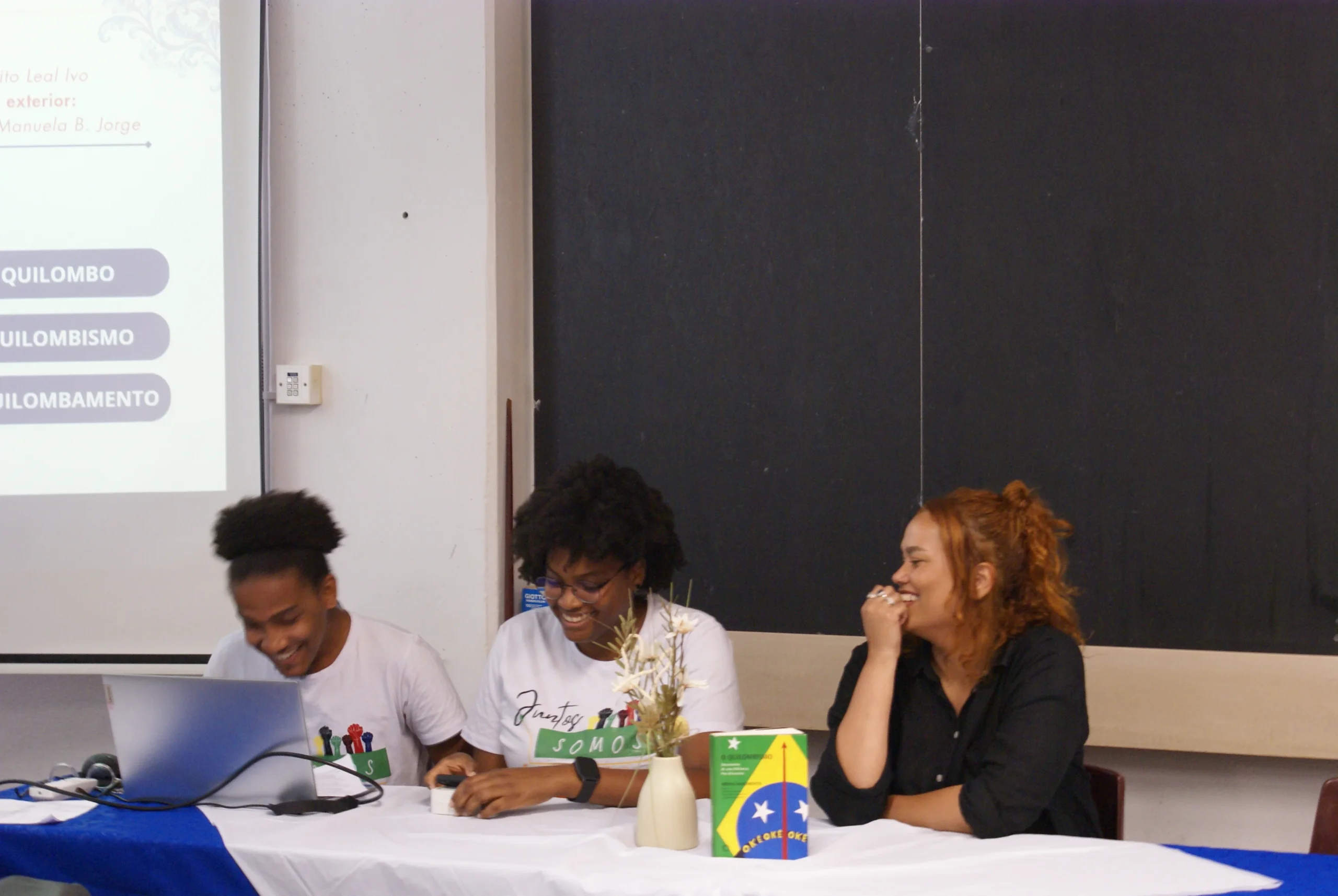
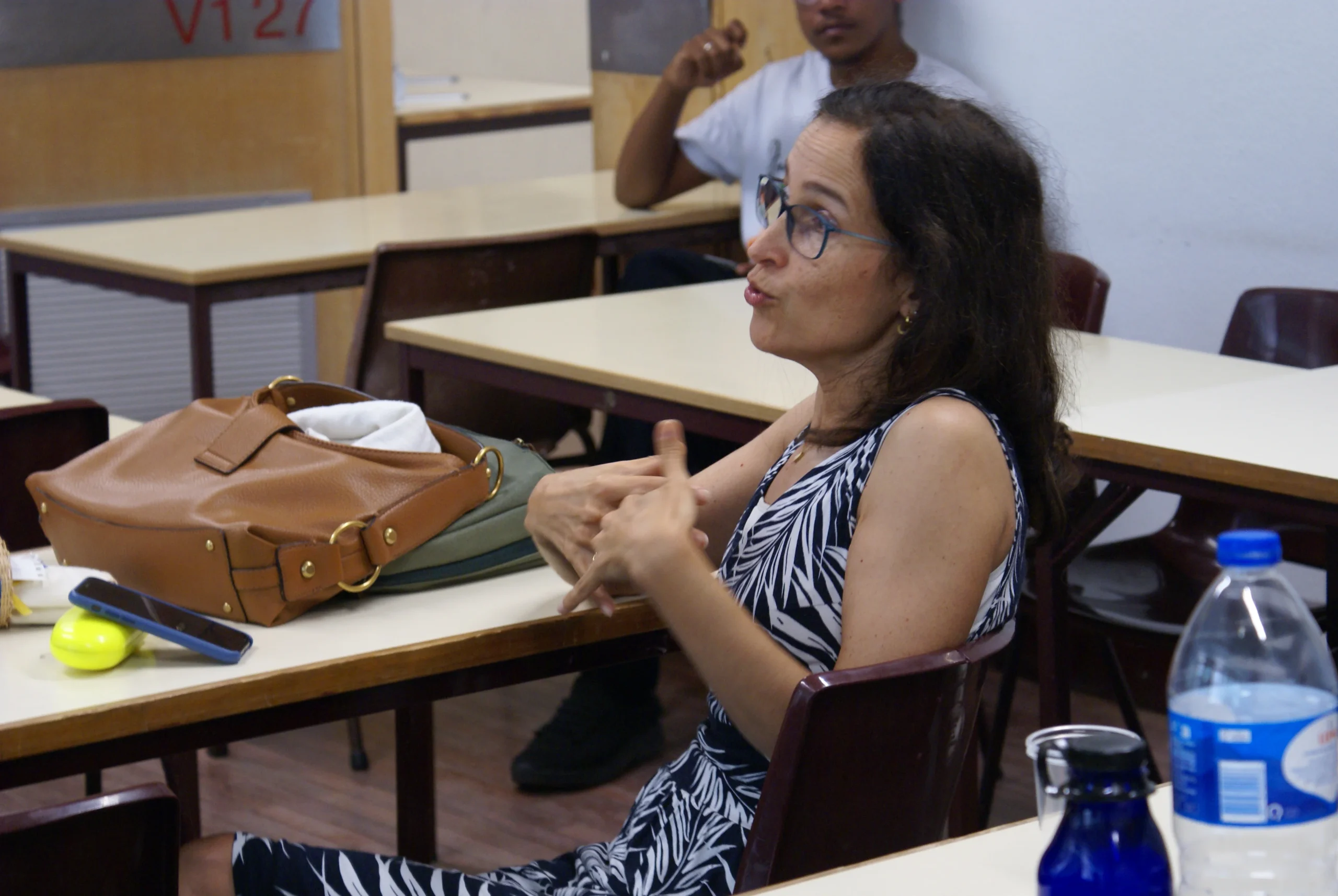
The event involved students and faculty members, including CERIS researchers, who contributed to discussions and shared their research activities and experiences with Brazilian colleagues and students participating in the mobility programme.
Among the invited speakers were Professor Miguel Amado, Professor António Rito da Silva, Professor Dídia Covas, Professor Filipa Ferreira, Professor Isabel Loupa, Professor Silvia Manuela Branco Jorge, Professor Andreia Arruda and Professor Albano Luís Rebelo da Silva das Neves e Sousa, alongside Professor Climene Laura de Camargo, Coordinator of the Abdias Nascimento Programme.
The programme provided a platform for participants to present their academic and cultural experiences, as well as the knowledge and research results developed during their mobility period. Portuguese and Brazilian students and faculty also had the opportunity to present their research areas and discuss current challenges and opportunities in teaching and scientific research.
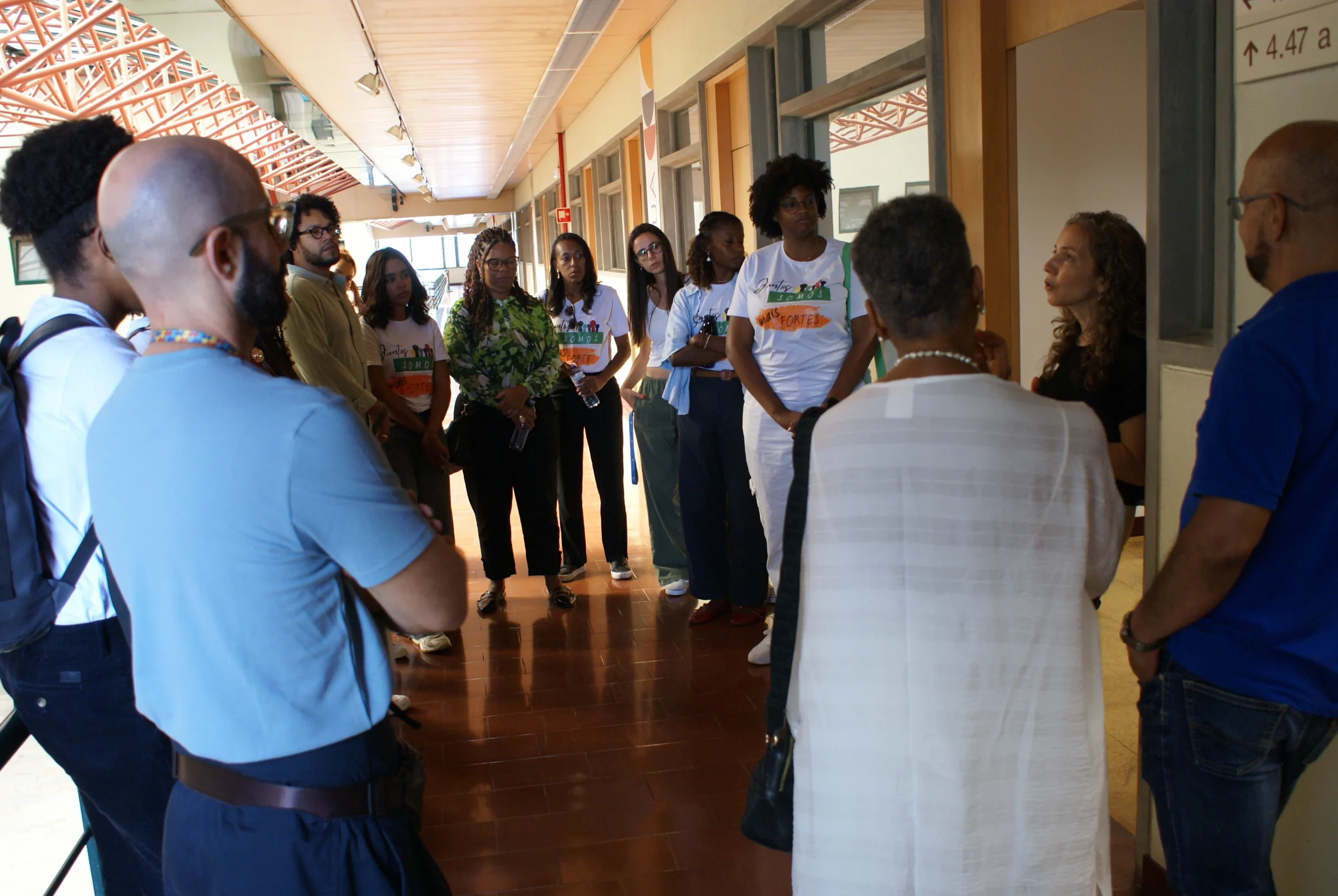
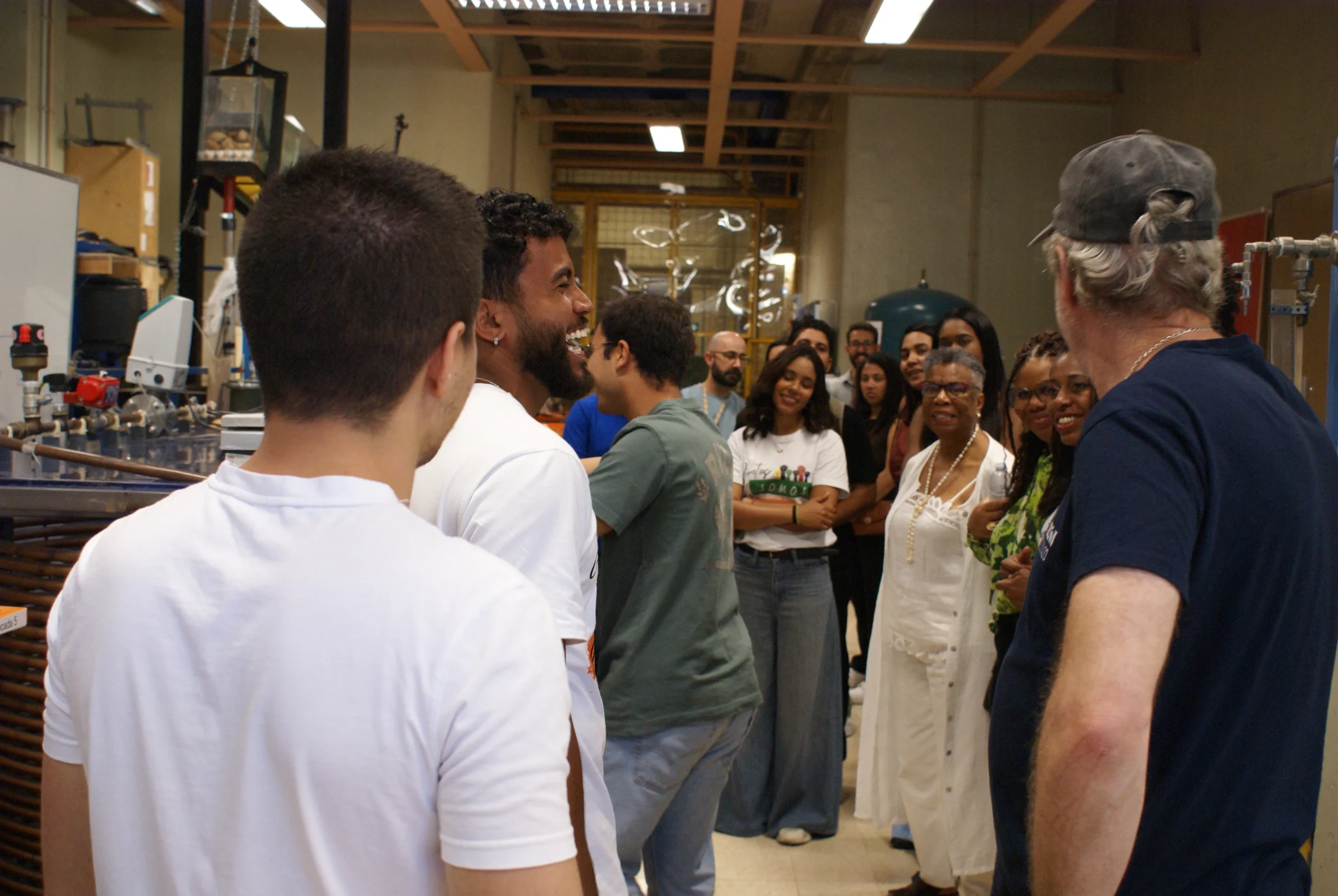
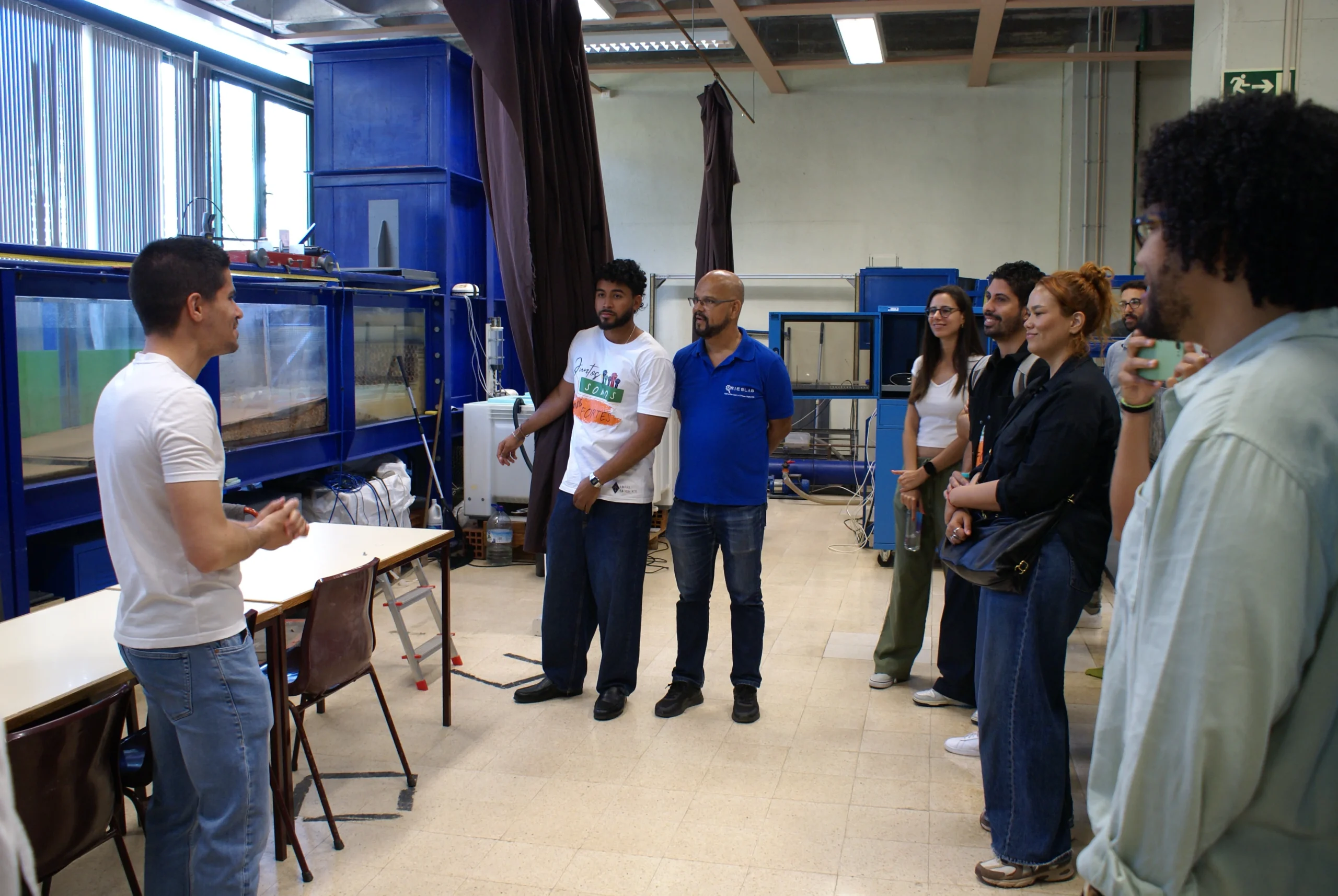
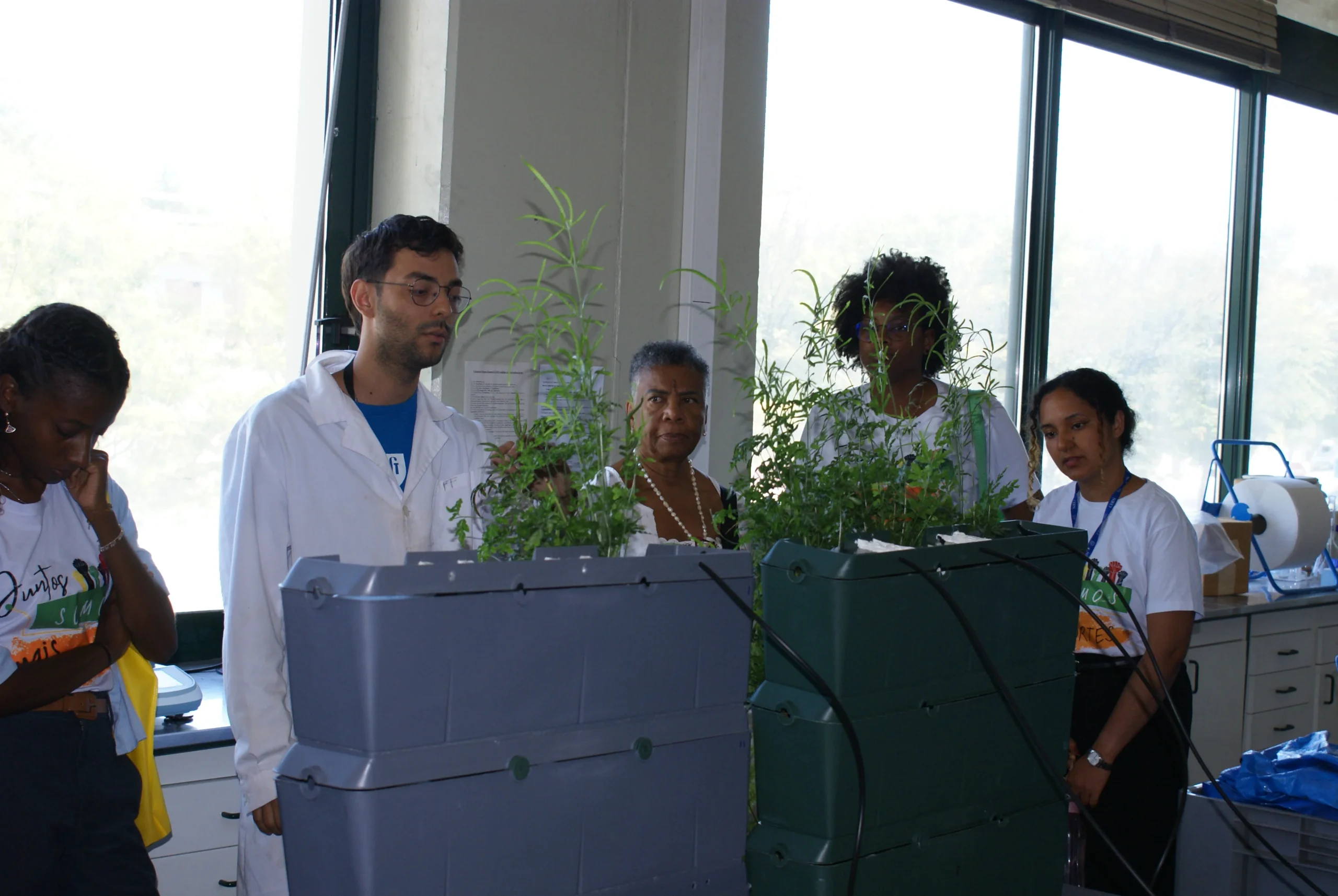
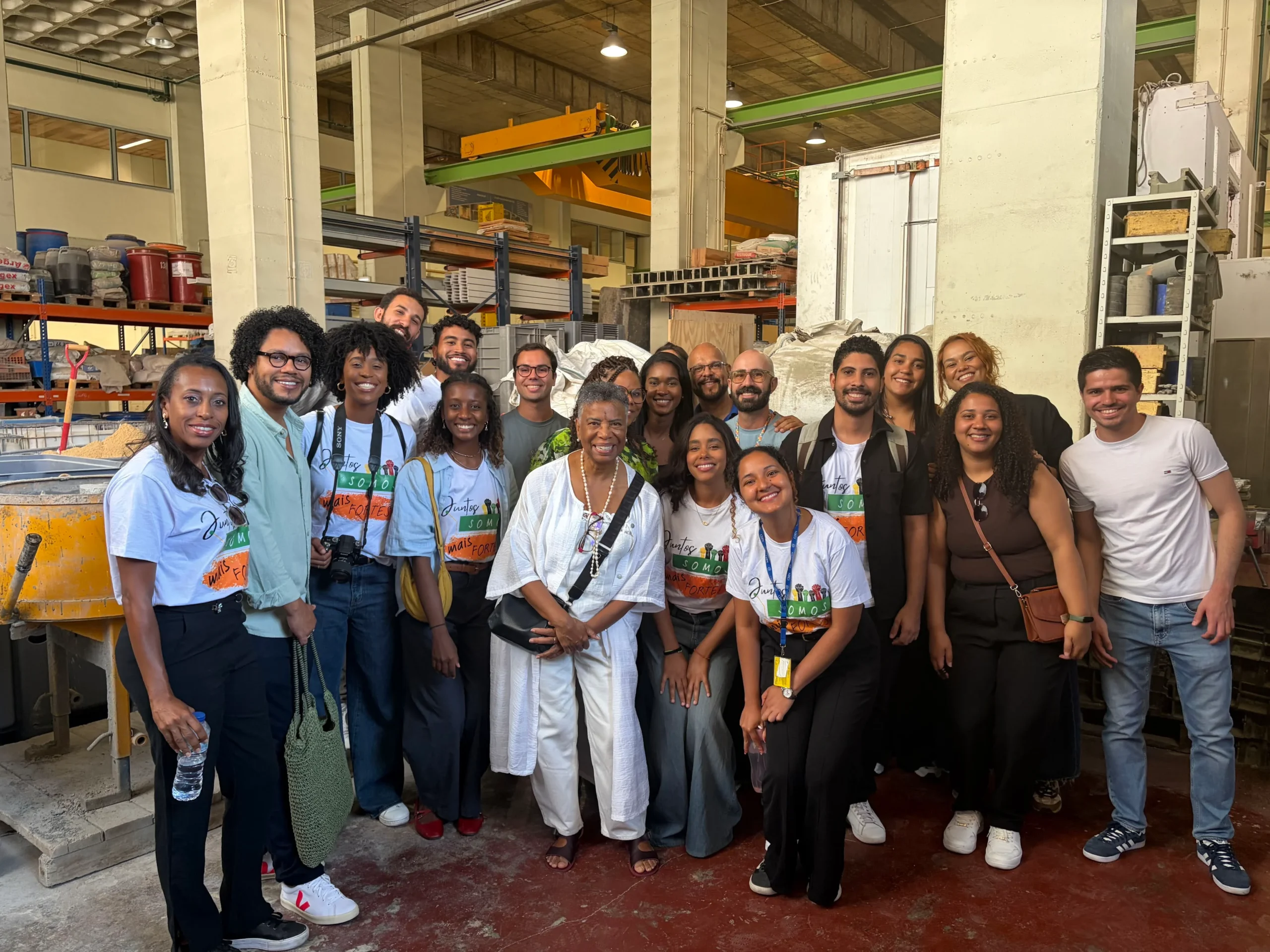
As part of the programme, participants visited the Civil Engineering Pavilion at IST, including the Research Fellows' Room, the Hydraulics and Water Resources and Environment Laboratory, and the Construction Laboratory, providing an opportunity to learn more about the research and teaching infrastructure supporting Civil Engineering at IST.
Beyond the exchange of research and academic experiences, the Symposium strengthened connections between Portuguese and Brazilian higher education communities and contributed to the development of new opportunities for international collaboration, knowledge exchange and scientific networking.
The participation of CERIS and DECivil researchers and students highlights the importance of international mobility and academic cooperation in creating opportunities for researchers and students to share knowledge, develop networks and contribute to a more connected scientific community.
CERIS is pleased to have contributed to the III Luso-Brazilian Symposium and to the continued strengthening of academic and scientific links between Portugal and Brazil.