
News
CERIS Researchers at European Researchers’ Night 2025

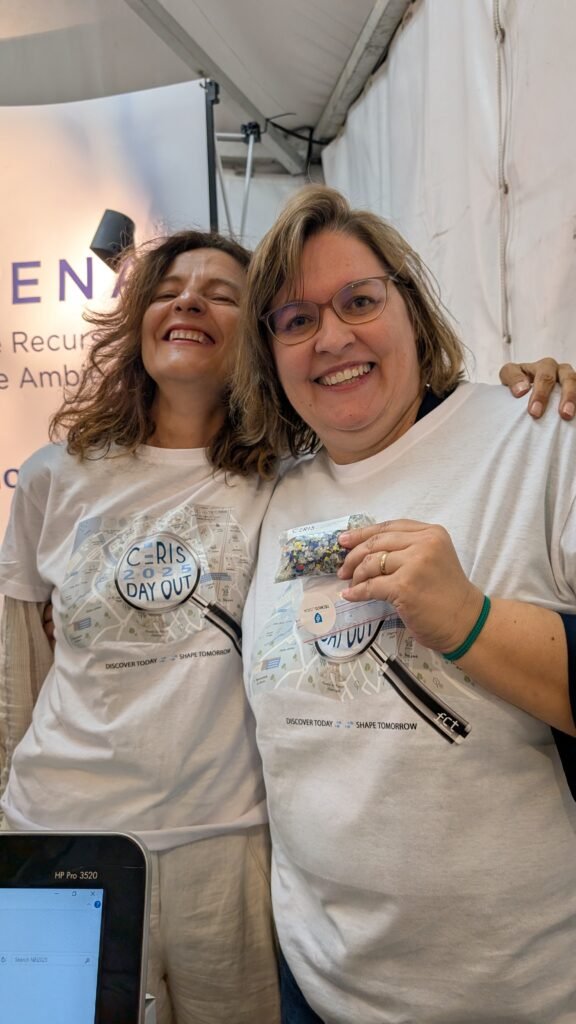
CERIS researchers joined the European Researchers’ Night 2025, taking part in activities held in Lisbon and Aveiro on September 26. This annual, Europe-wide event celebrates science and aims to bring researchers and the public closer together through interactive experiences and demonstrations.
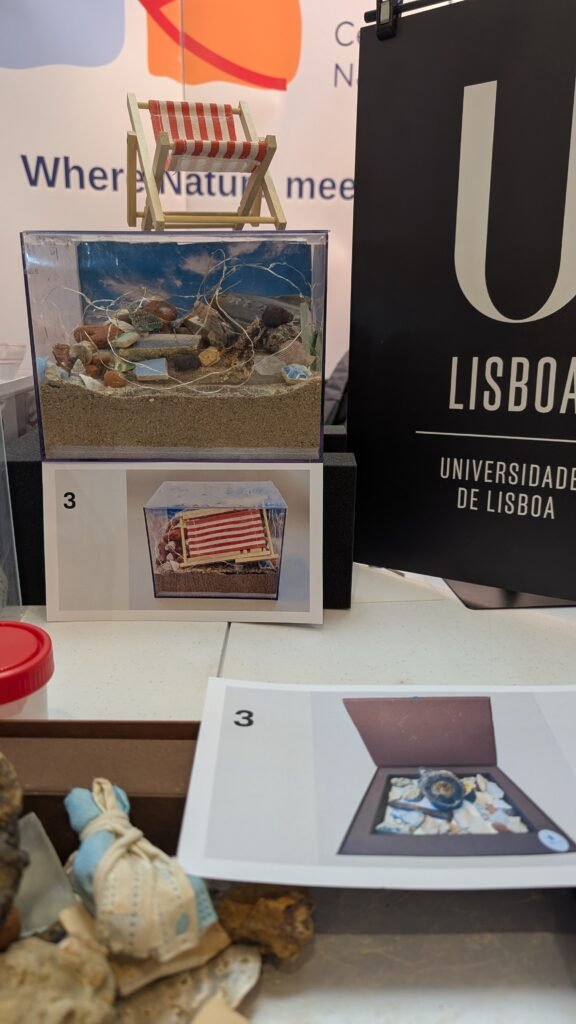
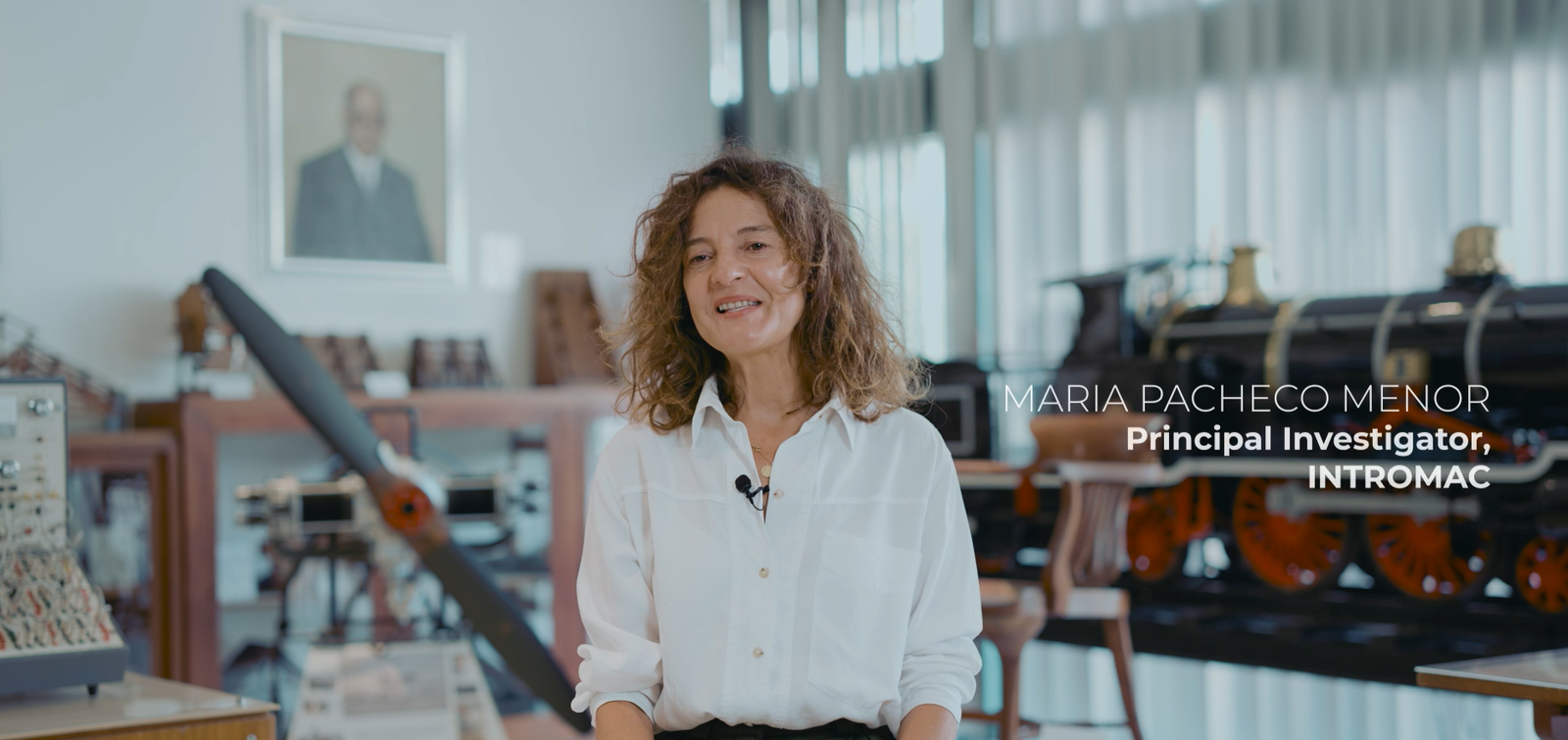
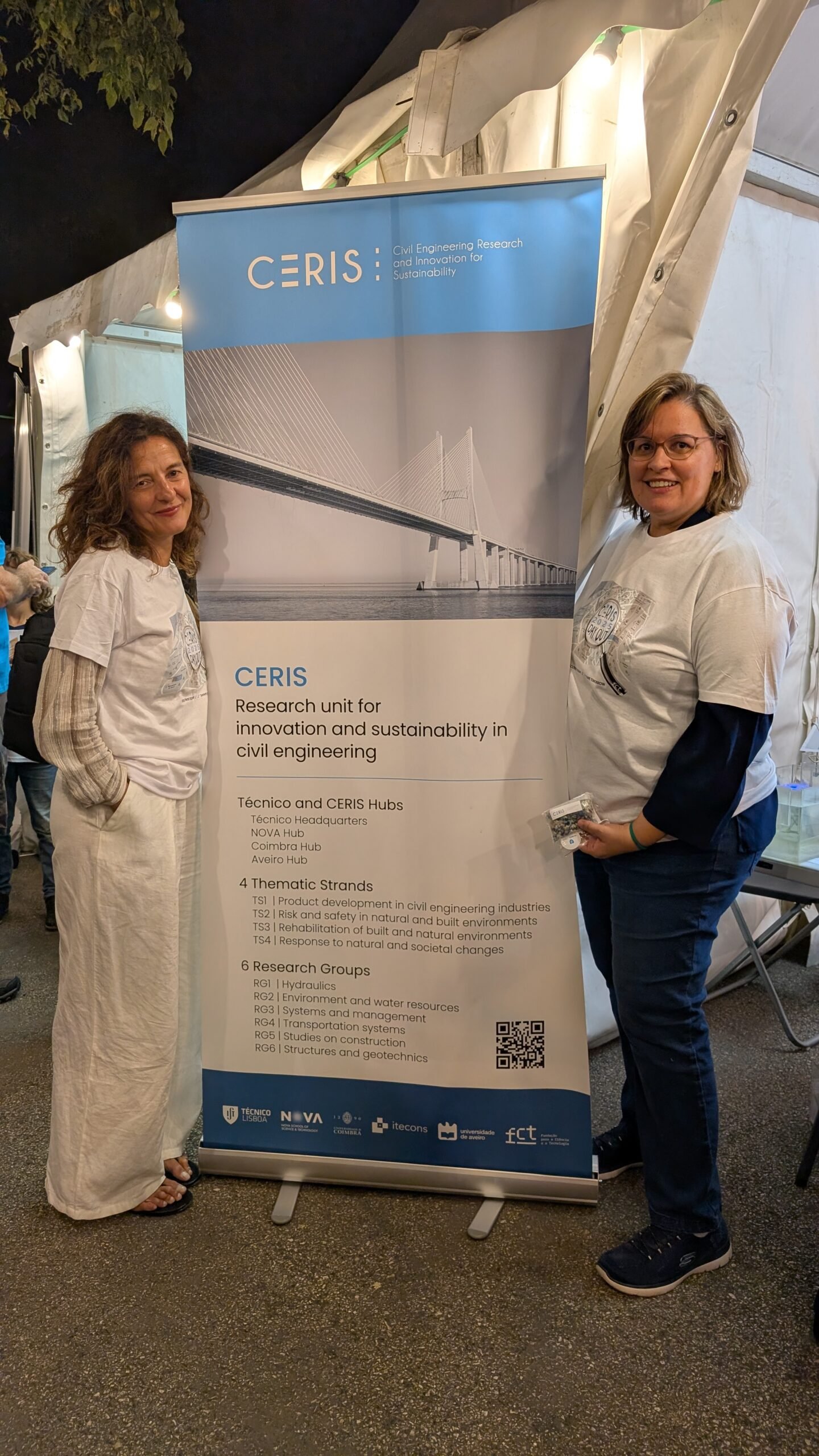
In Lisbon, CERIS participated in the programme at the National Museum of Natural History & Science and the Príncipe Real Garden. Professor Inês Flores-Colen and MSCA Postdoctoral Fellow Maria Concepción Pacheco Menor collaborate with researchers from CERENA to promote the concept of a circular economy. Their activity showcased how waste materials can be transformed into valuable resources, particularly through their incorporation into mortars for developing innovative and sustainable construction materials. Visitors were invited to explore waste valorisation through hands-on and engaging activities, examining solutions like converting residual marine biomass (such as mussel and oyster shells) into construction materials, reusing disposable masks, demonstrating magnetic and gravity separation of materials including electronic waste, and exploring the potential uses of urban incinerated waste and industrial sludges in construction. The researchers showed that circularity and sustainability are not optional, but essential paths forward, showing how to rethink consumption habits and recycling technologies to turn challenges into opportunities.
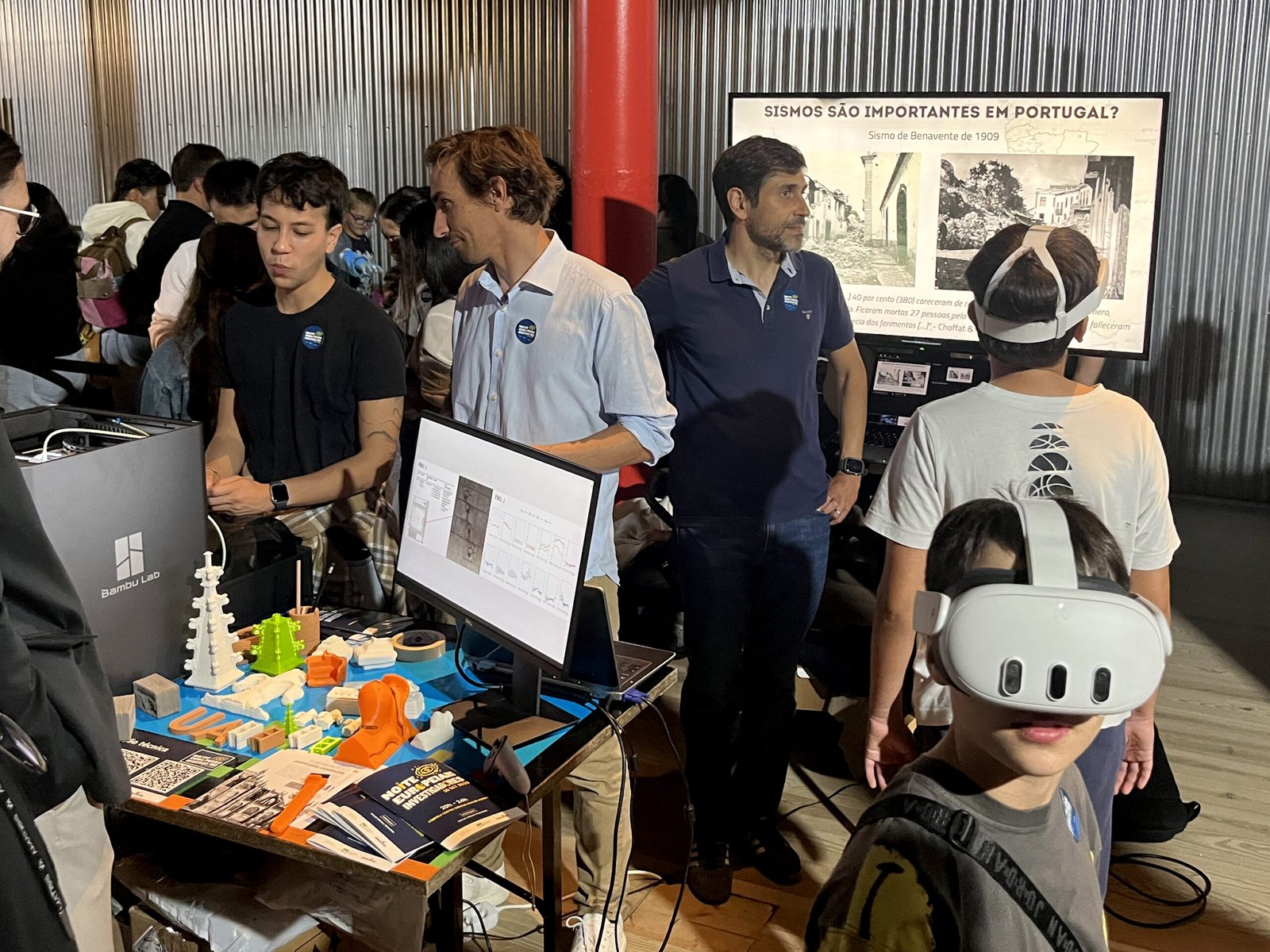
Meanwhile, in Aveiro, CERIS joined the activities hosted by Fábrica Centro Ciência Viva, as part of the SCIENCE@UA fair. Two sessions were presented:
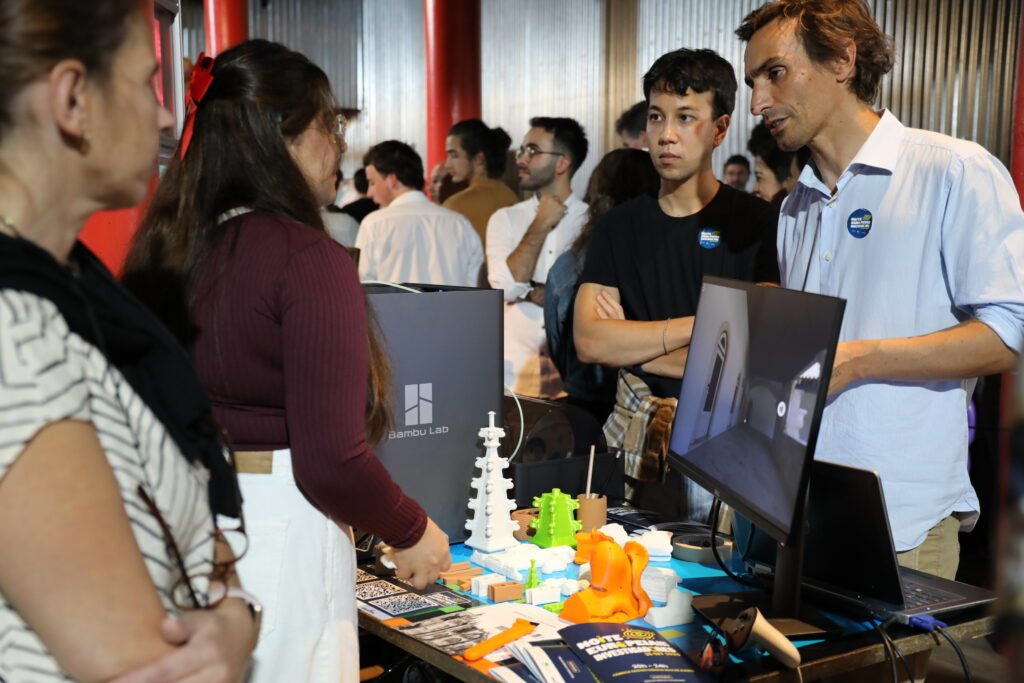
- “Use of 3D technologies in heritage buildings rehabilitation”, involving Guilherme Ascensão, Hugo Rodrigues, Inês Bourgeois, Gabriel Sugiyama and Victor Ferreira, explored how 3D technologies such as 3D printing can support the rehabilitation and preservation of heritage buildings.
- “Learning about earthquakes through virtual reality”, involving Vítor Silva and Daniel Gomez, invited visitors to experience seismic events through virtual reality, including the associated losses and damages. This activity illustrated the research developed on seismic risk assessment, earthquake simulation, and early warning systems.
Through these activities, CERIS researchers engaged audiences of all ages, demonstrating how scientific research can address real-world challenges.