
News
CERIS Researchers Showcase Circular and Sustainable Construction Solutions at Deep Téc4Ocean 2026

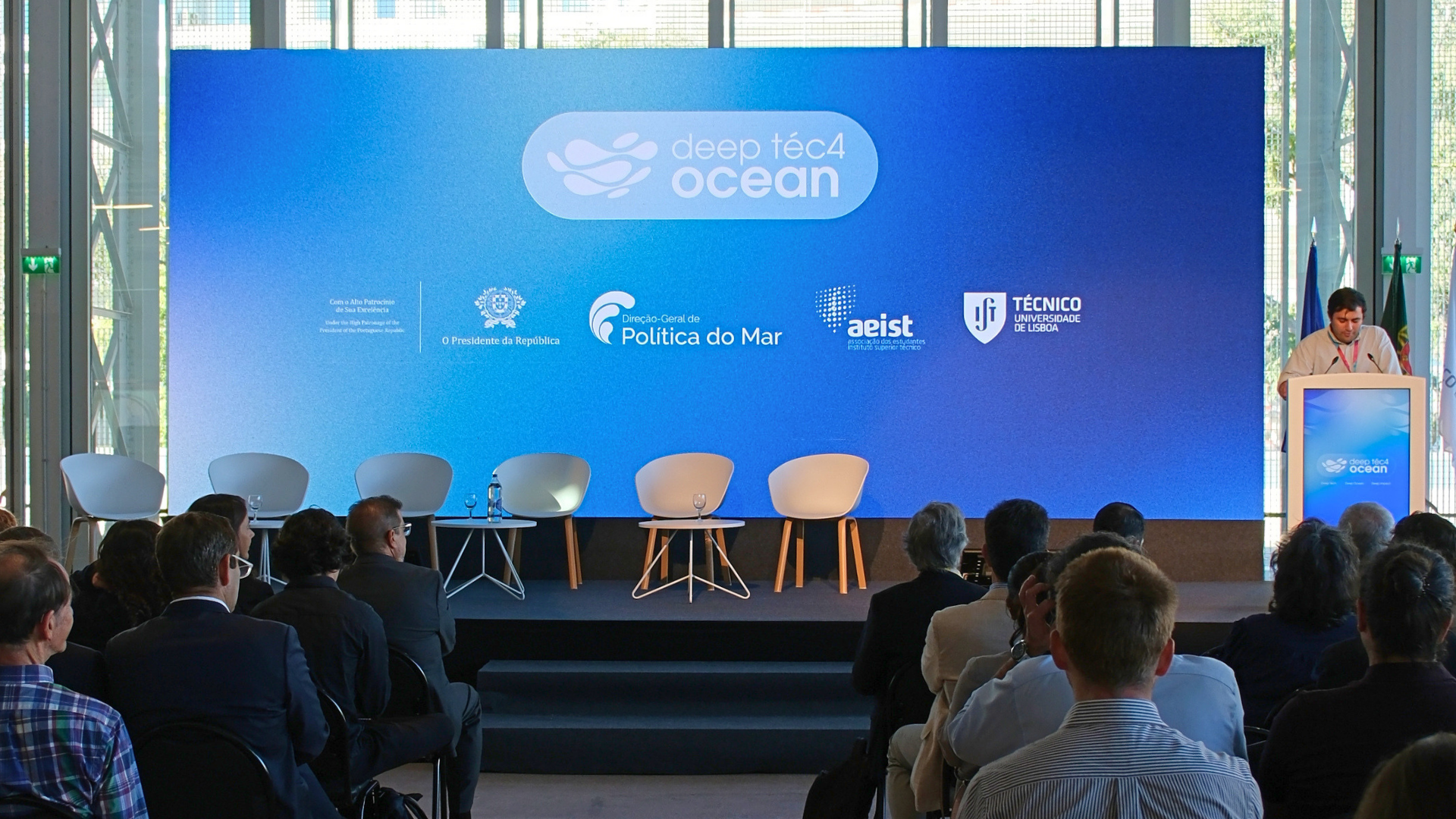
On 19 October 2026, CERIS researchers participated in Deep Téc4Ocean, an event dedicated to the Ocean, the Blue Economy and the role of engineering, science and technology in addressing maritime challenges. Held at the Técnico Innovation Center (TIC) in Lisbon, the event brought together students, researchers, companies and public institutions to explore innovative solutions and opportunities shaping the future of the Ocean.
Organised by the Directorate-General for Maritime Policy (DGPM), in partnership with the Técnico Students’ Union (AEIST) and Instituto Superior Técnico (IST), the event covered thematic areas: Digital Ocean, Blue Power & Deep Tech, Blue MedTech, Blue Food & Sustainable Aquaculture, Chameleonic Infrastructures and Maritime Defence and Security. Its main objectives included promoting applied research, encouraging innovation and strengthening connections between academia, industry and public institutions.
CERIS research contributing to the circular Blue Economy
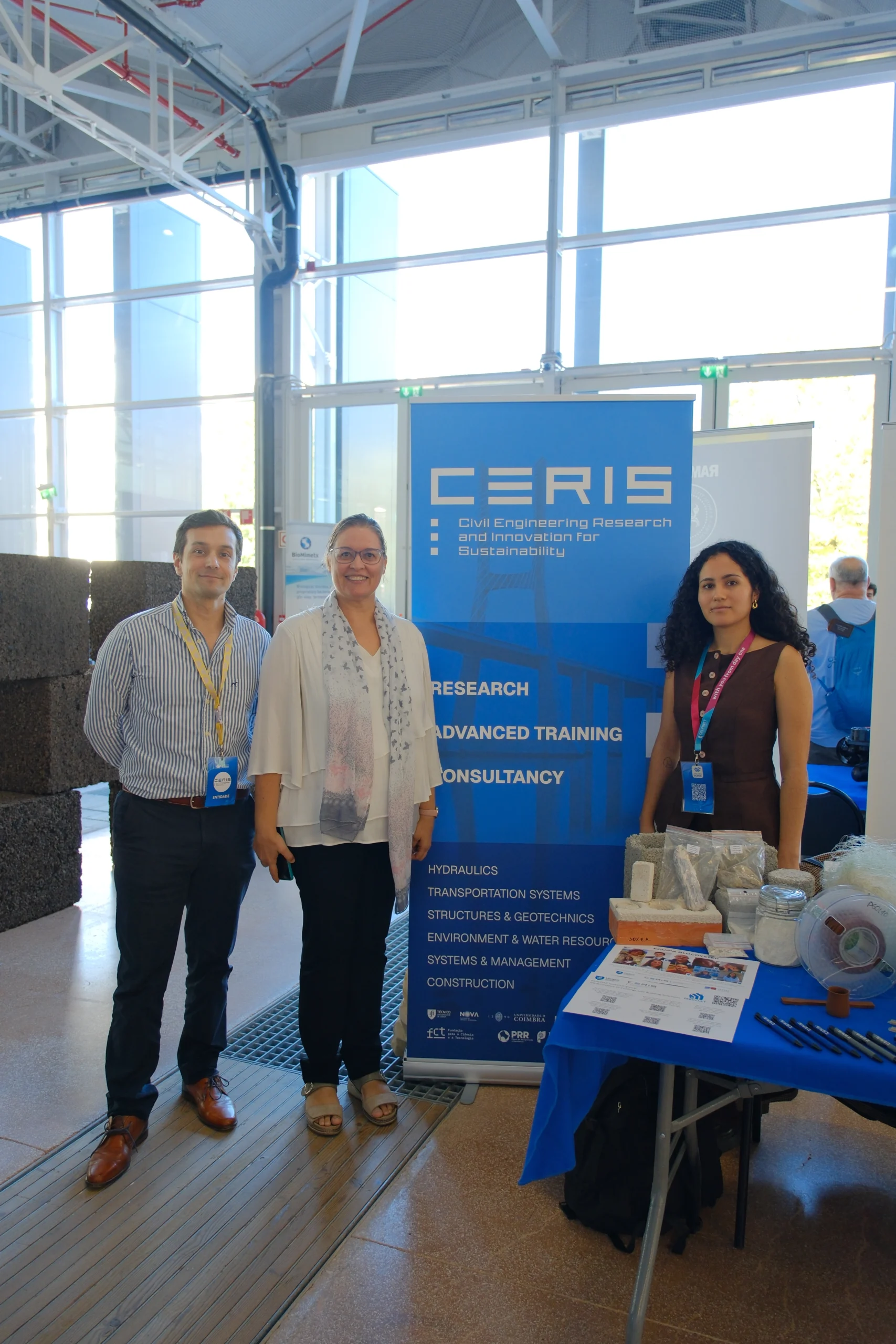
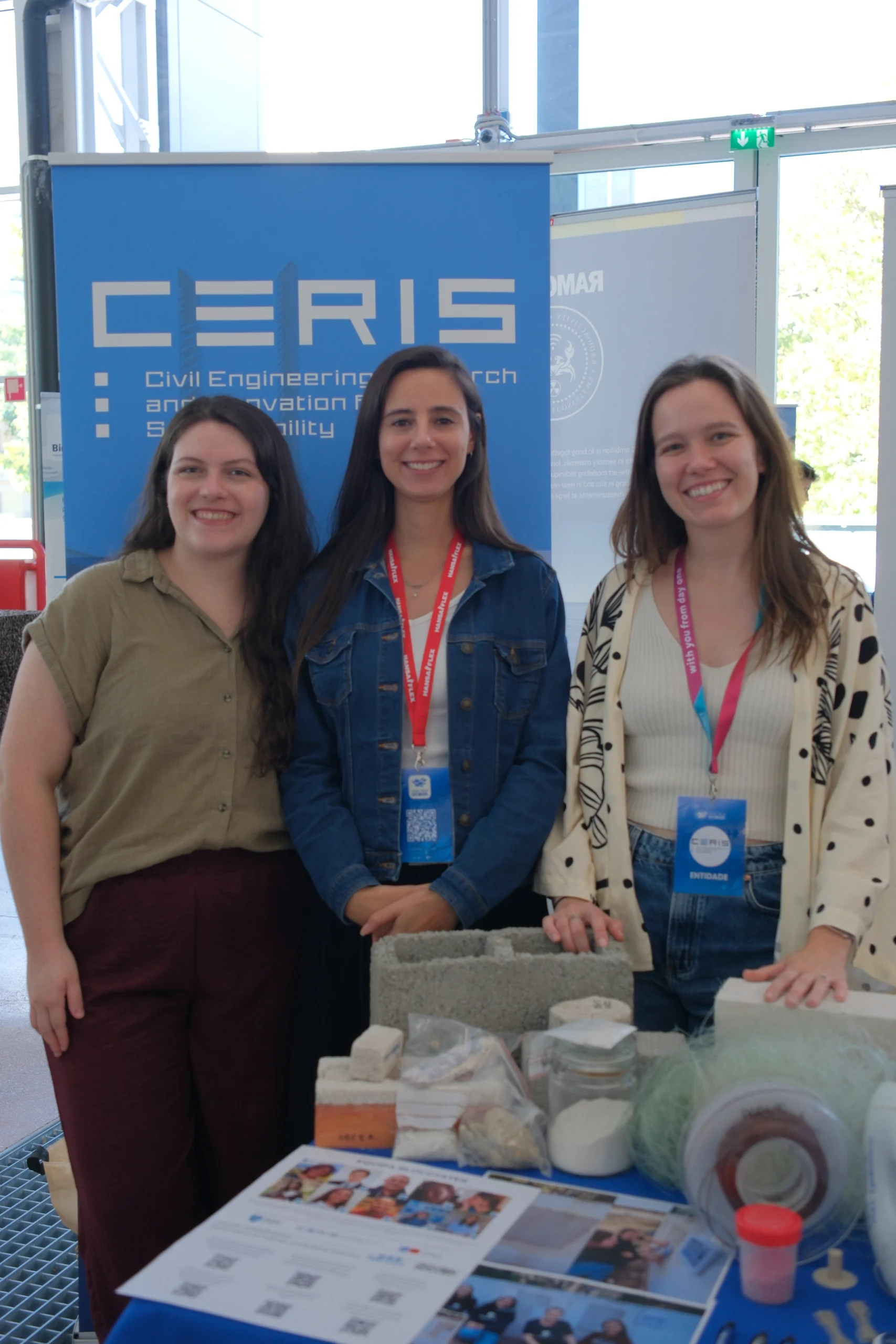
At CERIS exhibition stand, researchers from CERIS and CERENA presented a range of research projects exploring the potential of marine-derived materials and maritime waste in the development of more sustainable construction solutions.
Several projects focused on the reuse and valorisation of oyster shells, transforming a resource originating from the marine environment into alternative aggregates for construction materials. Poliana Bellei (CERENA), Jéssica Bersch and Fernanda Caroline Magalhães presented research on oyster-shell-based mortars and shared results from research exploring the use of oyster shells on Culatra Island. Giovanna Schäfer Bartels presented Life Cycle Assessment (LCA) work, highlighting the importance of evaluating the environmental performance of these innovative solutions.
Researcher Rui Vasco Silva showcased further applications of oyster-shell aggregates in construction products, including concrete blocks for masonry walls, paving blocks and screeds. Other examples demonstrated the potential of recovering materials from maritime activities, particularly fishing nets, and incorporating their fibres into rendering mortars, as illustrated by the work of Henrique Viegas.
The exhibition also featured innovative developments in 3D printing presented by Scarlet Meza Gómez, who works with researcher Rui Vasco Silva. These included examples of filaments developed using different recycled and alternative materials, such as nylon incorporating oyster-shell powder, nylon recovered from fishing nets and polypropylene containing brick powder. Live demonstrations and the printing of test specimens allowed visitors to explore the practical potential of these material innovations.
The research presented demonstrated how resources and waste streams associated with maritime activities can be reintroduced into construction material production, contributing to resource efficiency, waste reduction and circular economy strategies. It also highlighted the importance of interdisciplinary research in connecting the construction sector with the challenges and opportunities of the Blue Economy.
Professor Inês Flores-Colen, CERIS member who leads the research group PERCOAT, was also present, supporting the dissemination of the group's research activities and innovative approaches to sustainable construction materials.
CERIS contribution to the Chameleonic Infrastructures discussion
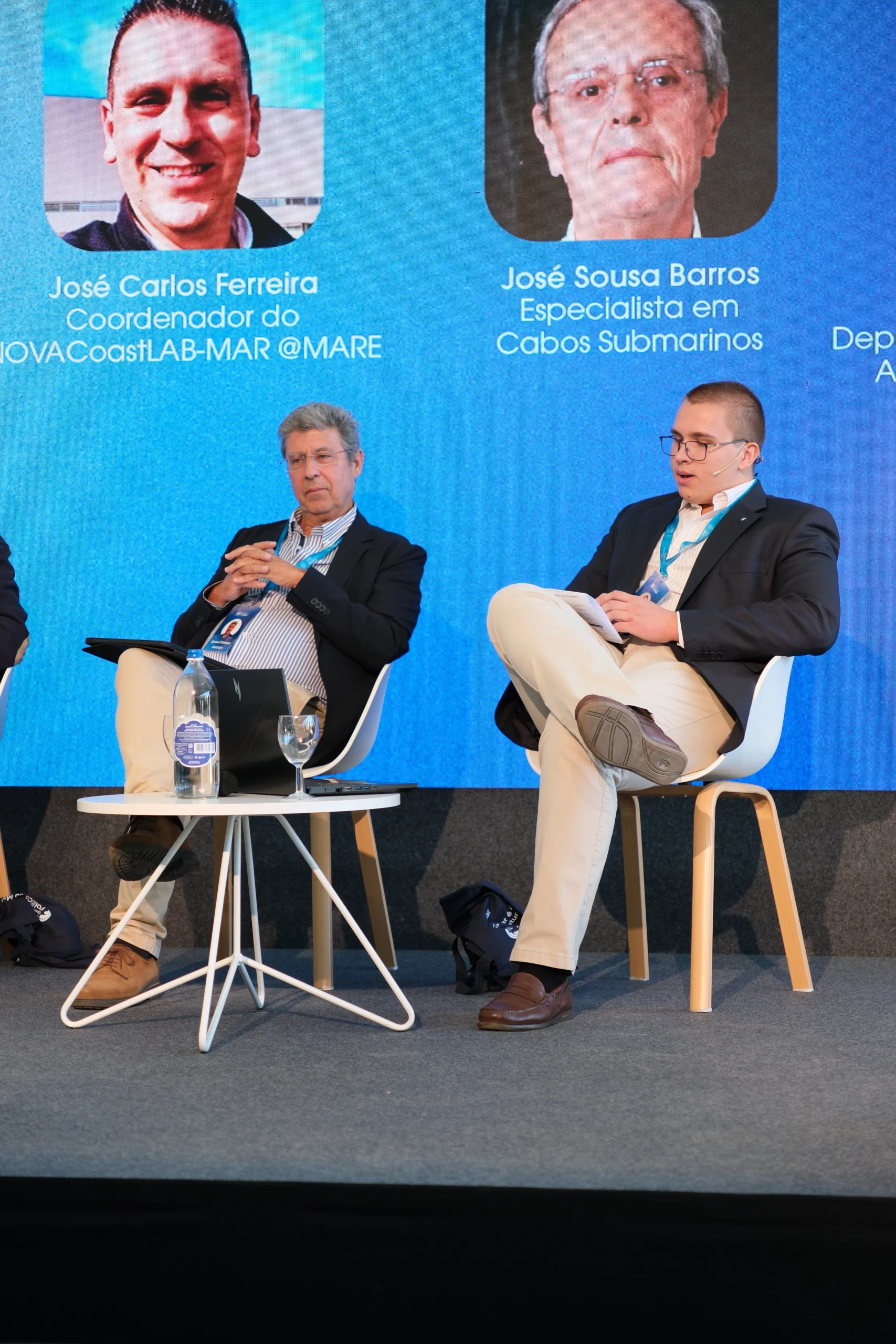
CERIS was also represented in the "Chameleonic Infrastructures" round-table discussion by Professor Manuel Duarte Pinheiro, who actively contributed to the exchange of ideas on how research and engineering can support the development of innovative, adaptable and sustainable infrastructures.
Drawing on examples from ongoing research, he highlighted practical ways in which scientific knowledge and technological developments can contribute to maritime and ocean-related applications, further illustrating the role of engineering research in addressing emerging challenges in the marine environment.
Connecting research, innovation and the Ocean
Deep Téc4Ocean provided an important opportunity to showcase how research developed within CERIS can contribute to broader sustainability challenges beyond the conventional boundaries of civil engineering. By exploring the reuse of marine-derived resources and maritime waste in construction, these projects demonstrate the potential of scientific research to create connections between the construction industry, environmental sustainability and the Blue Economy.
The event also offered valuable opportunities for interaction with students, researchers, industry representatives and other participating organisations, encouraging knowledge exchange, visibility for ongoing research and potential future collaborations.
CERIS warmly thanks all the researchers who contributed to the exhibition and discussions – Poliana Bellei, Jéssica Bersch, Giovanna Schäfer Bartels, Fernanda Caroline Magalhães, Rui Vasco Silva, Henrique Viegas, Scarlet Meza Gómez, Inês Flores-Colen and Manuel Duarte Pinheiro – for their participation and commitment to showcasing the Centre's research.
We also extend our sincere appreciation to the Directorate-General for Maritime Policy (DGPM), the Técnico Students' Union (AEIST) and Instituto Superior Técnico for organising this initiative and inviting CERIS to participate. Events such as Deep Téc4Ocean are essential for bringing research closer to society, fostering collaboration across disciplines and demonstrating how engineering and innovation can contribute to a more sustainable future for the Ocean.