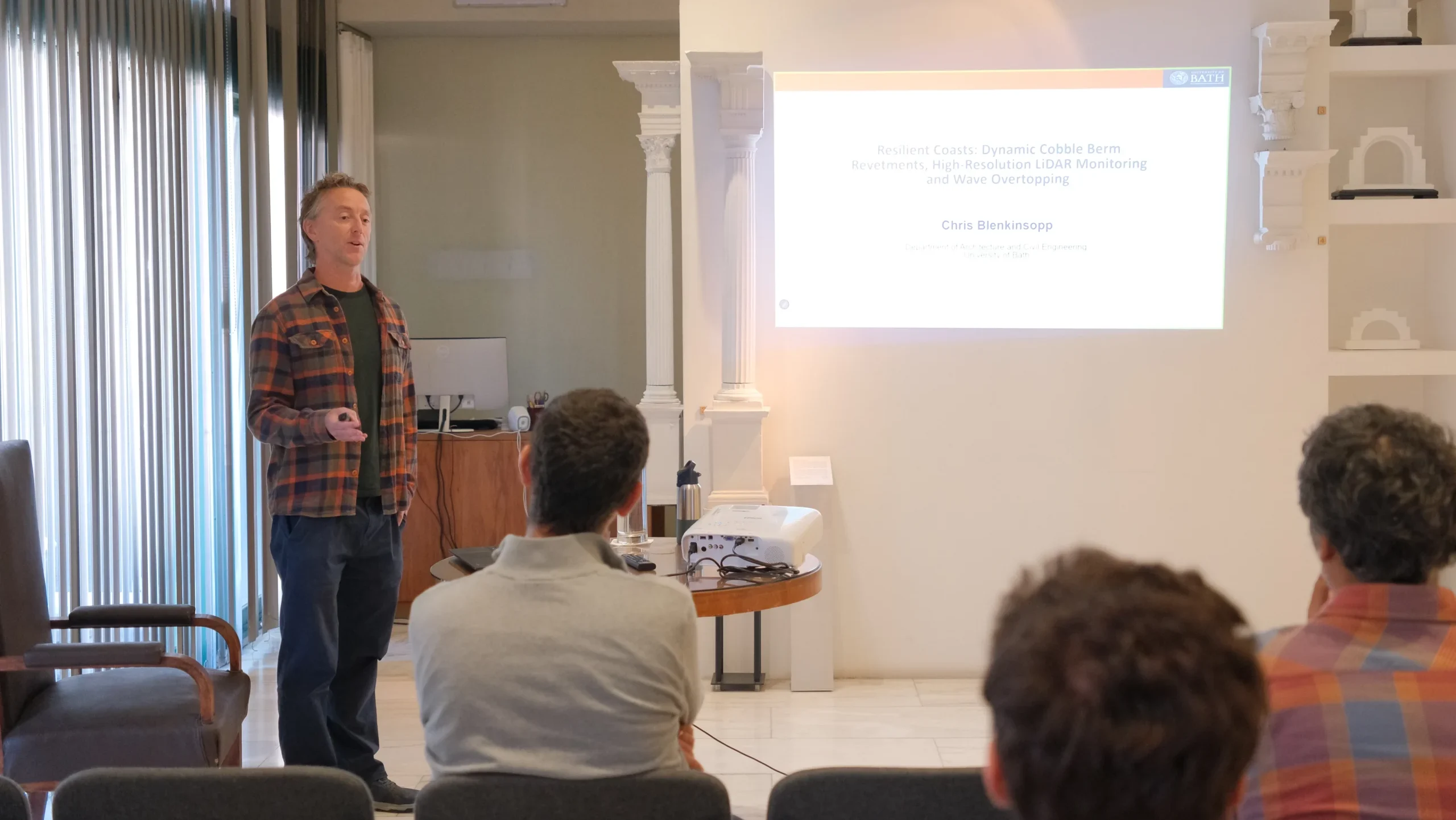
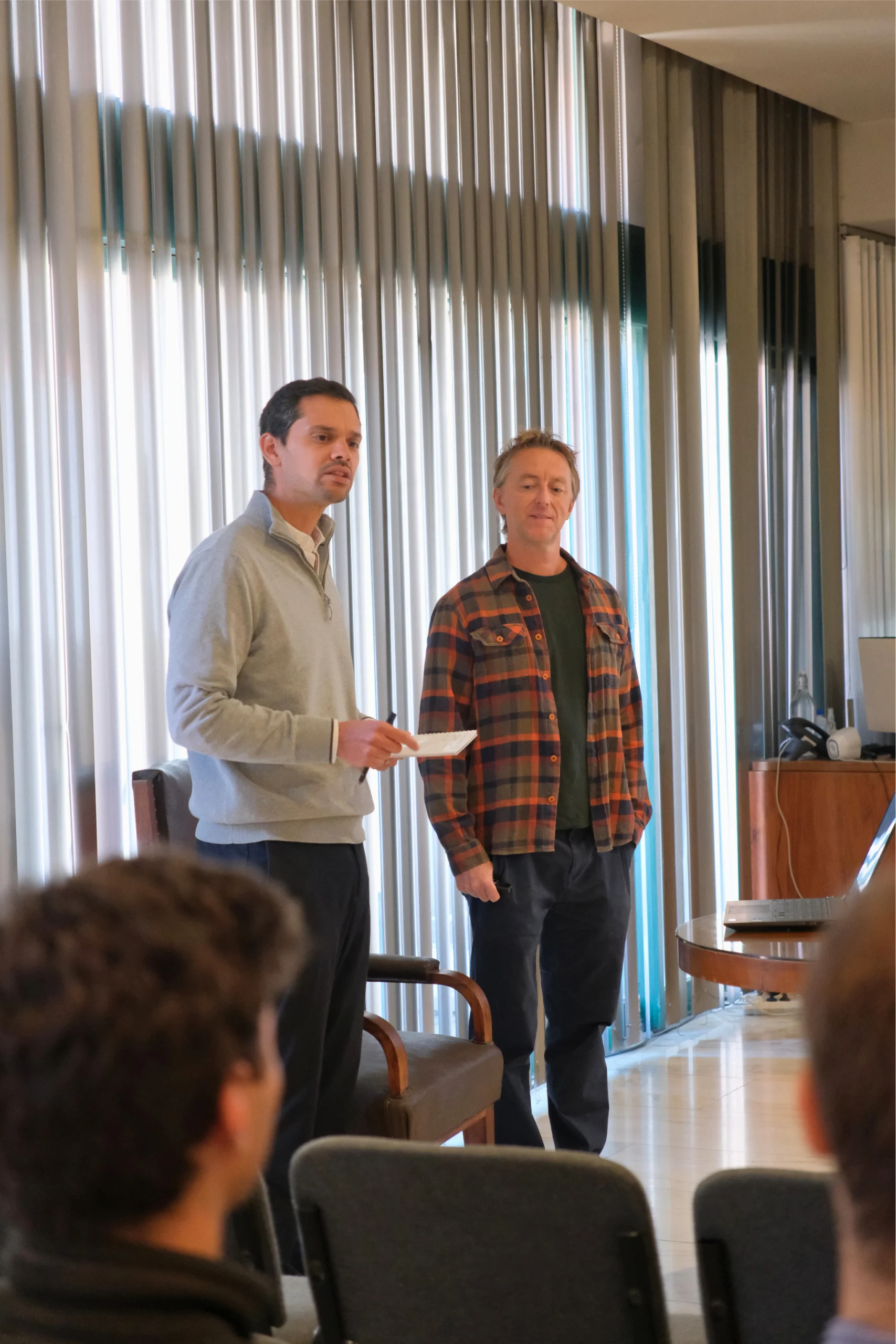
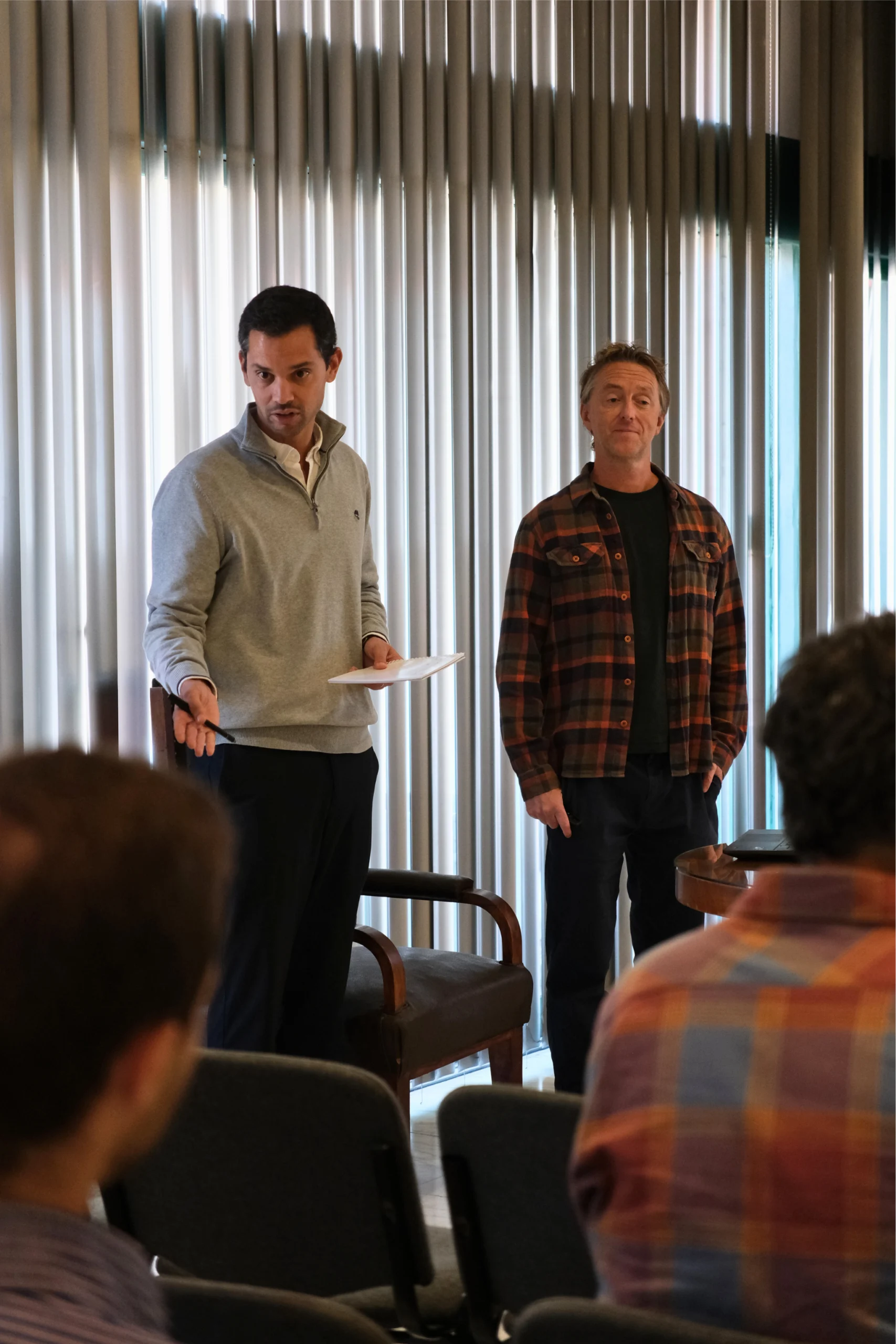
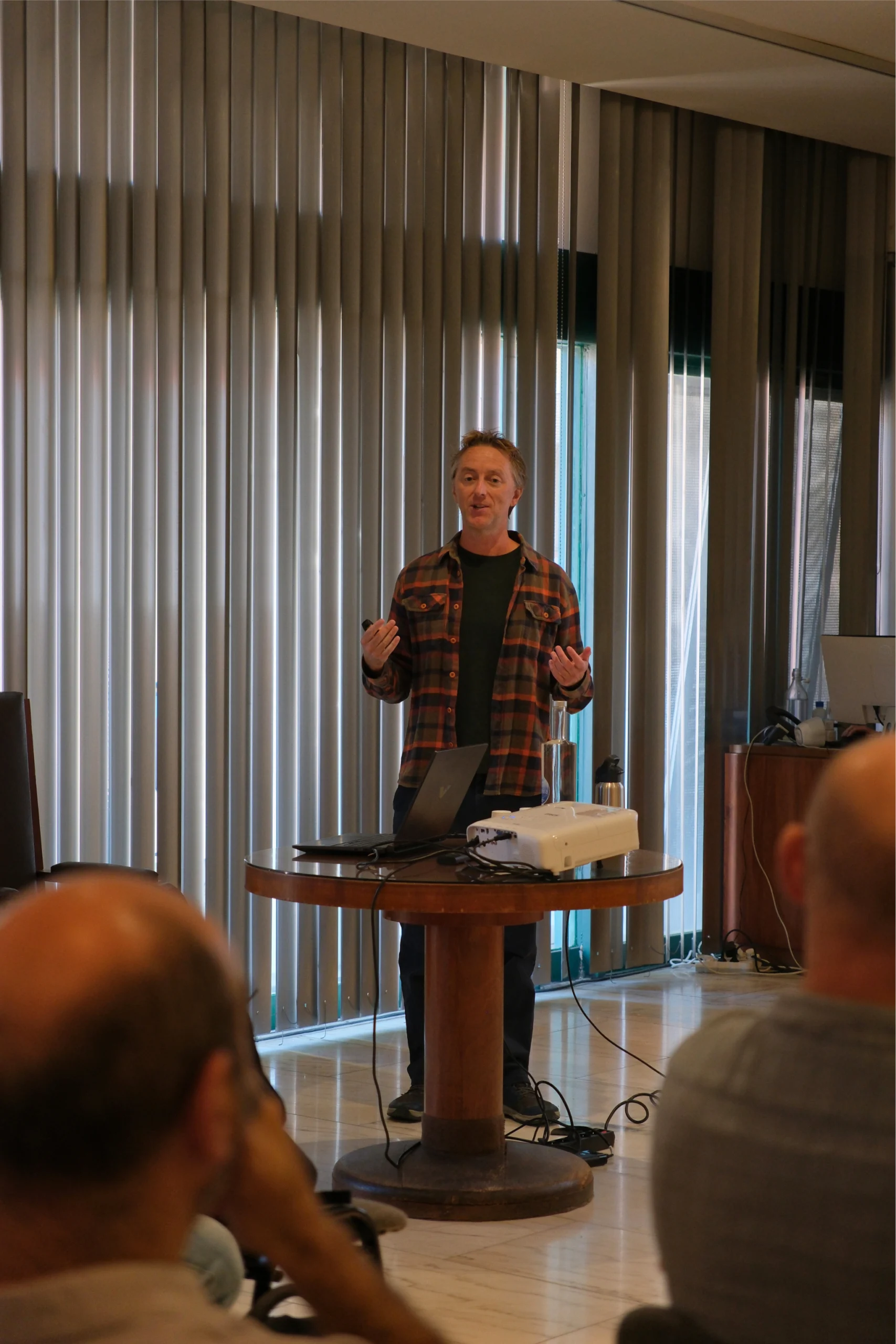
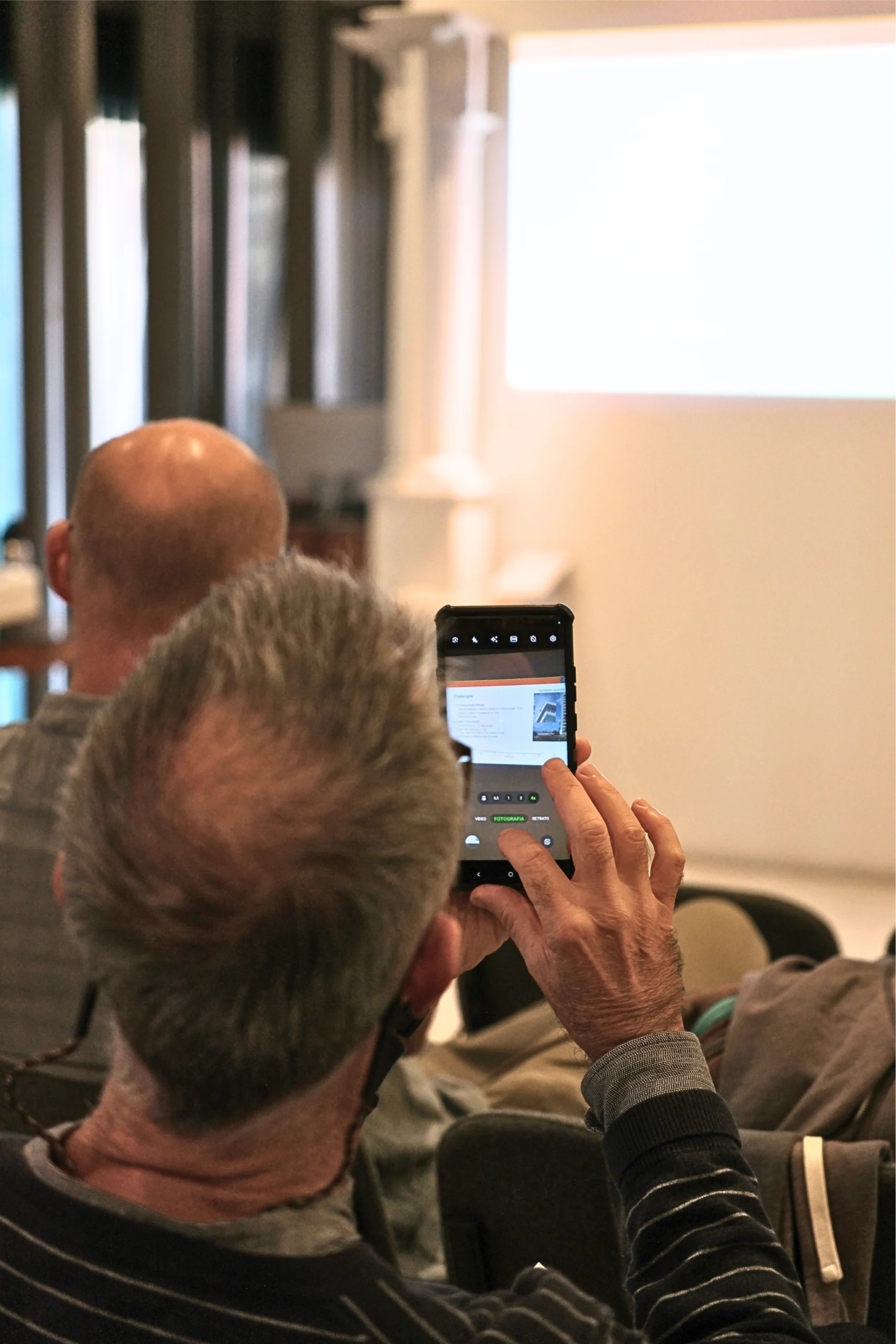
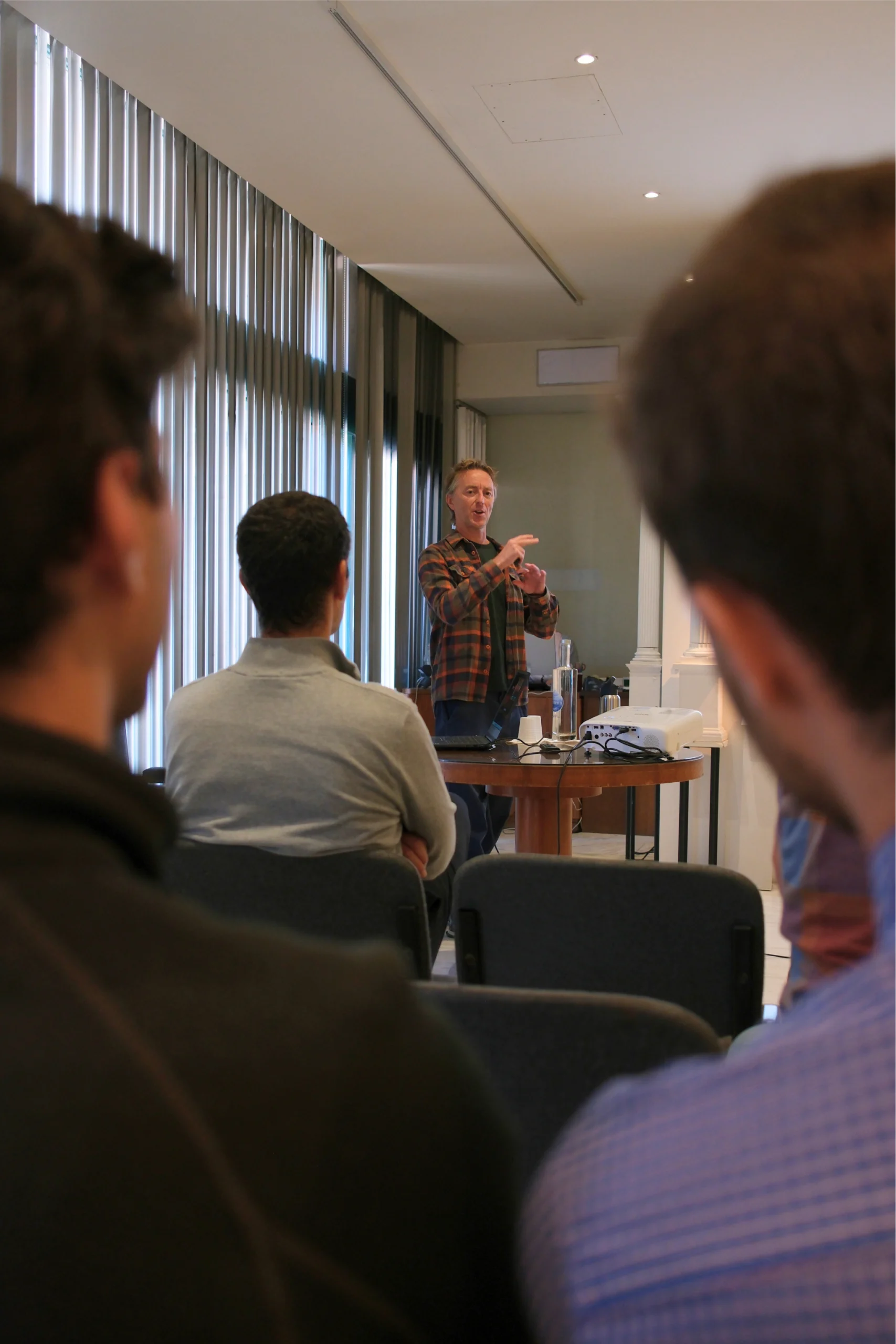
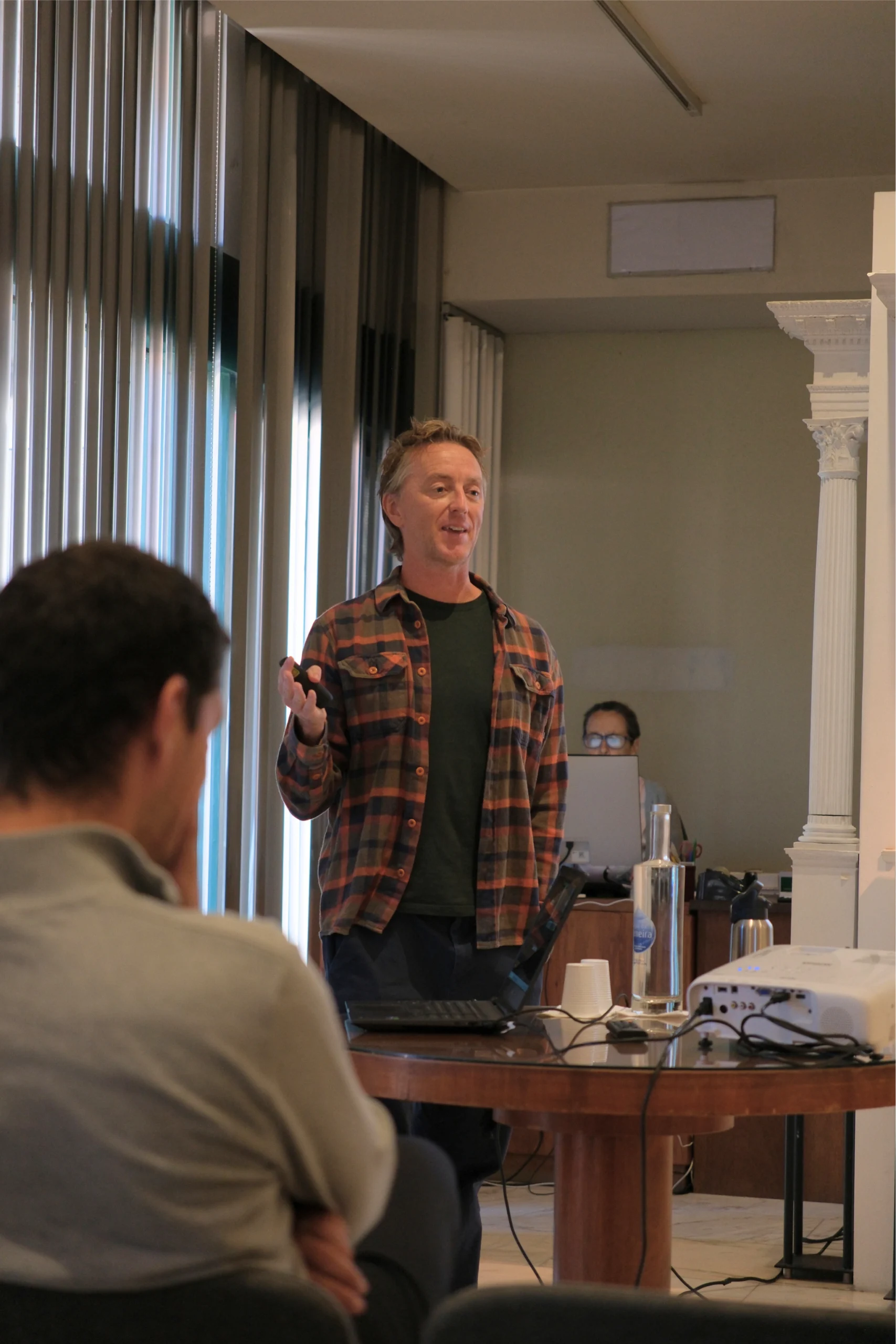
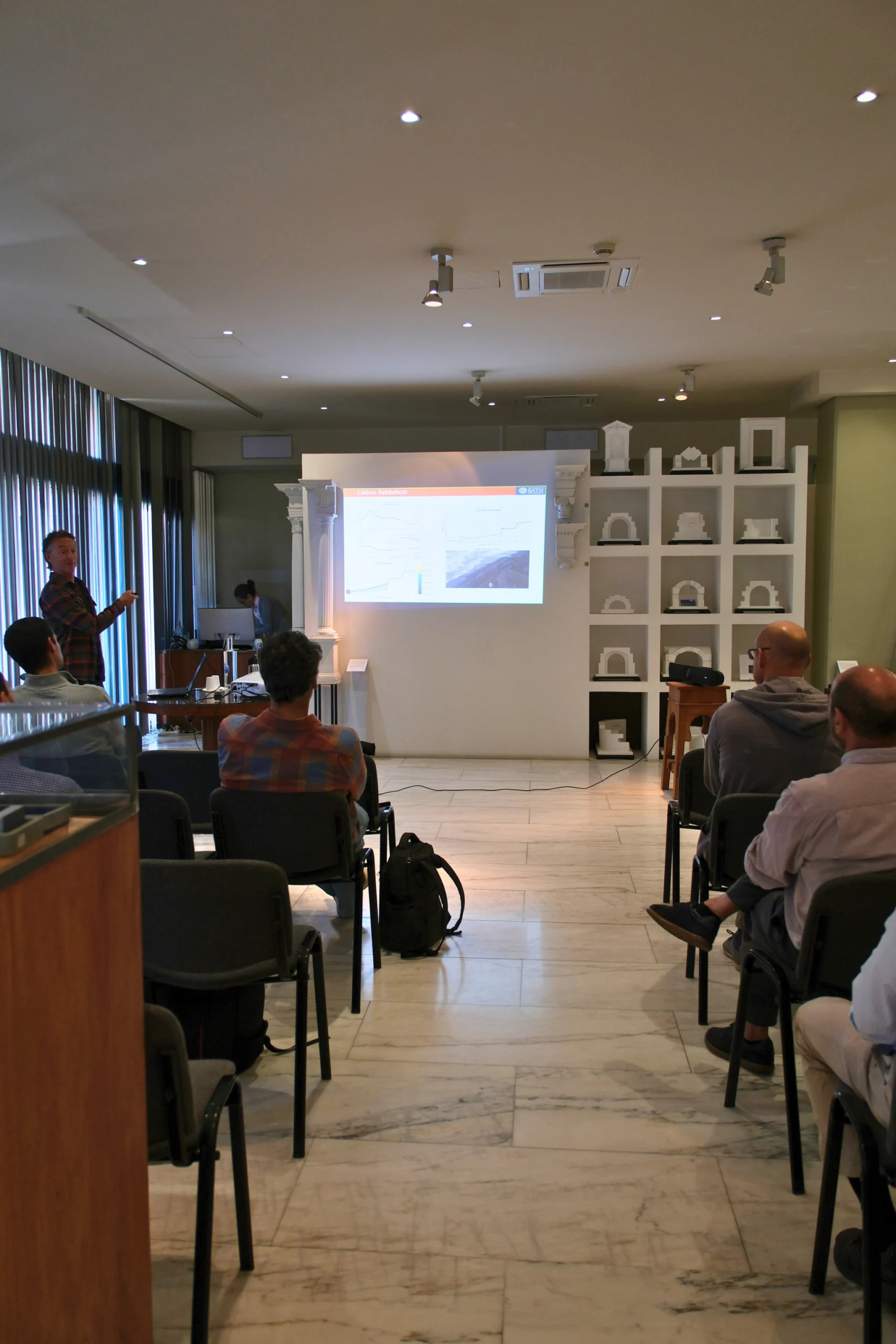
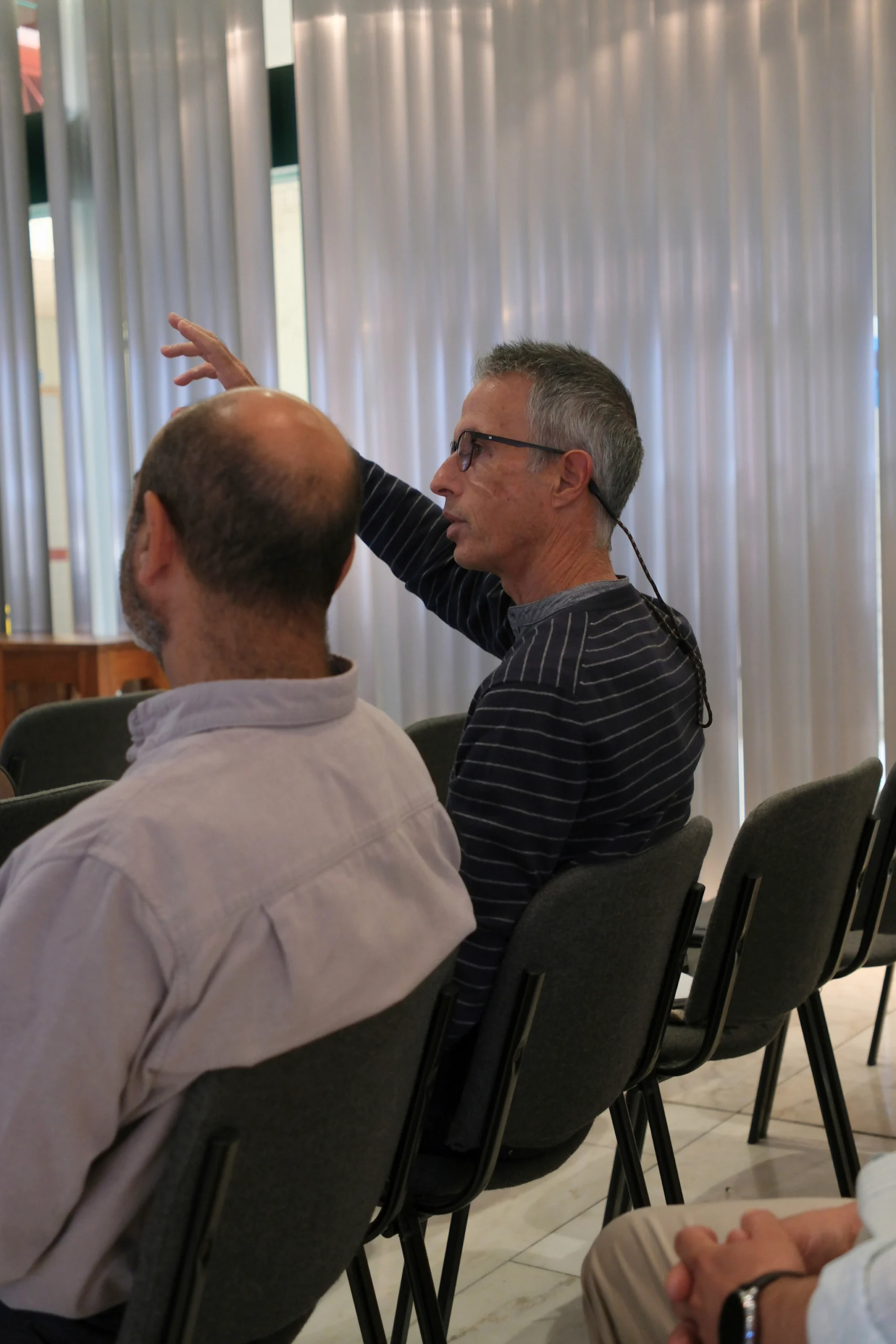
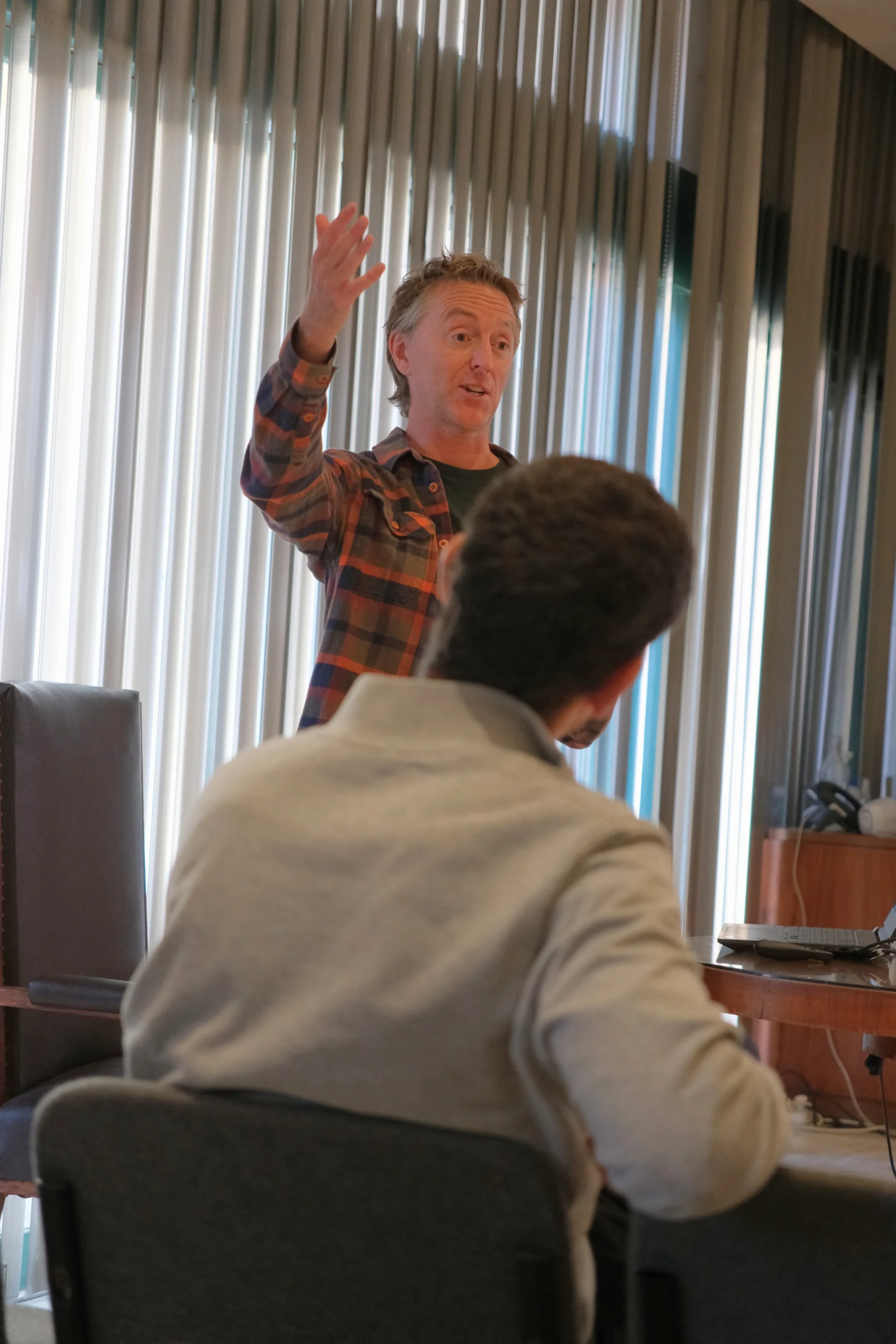
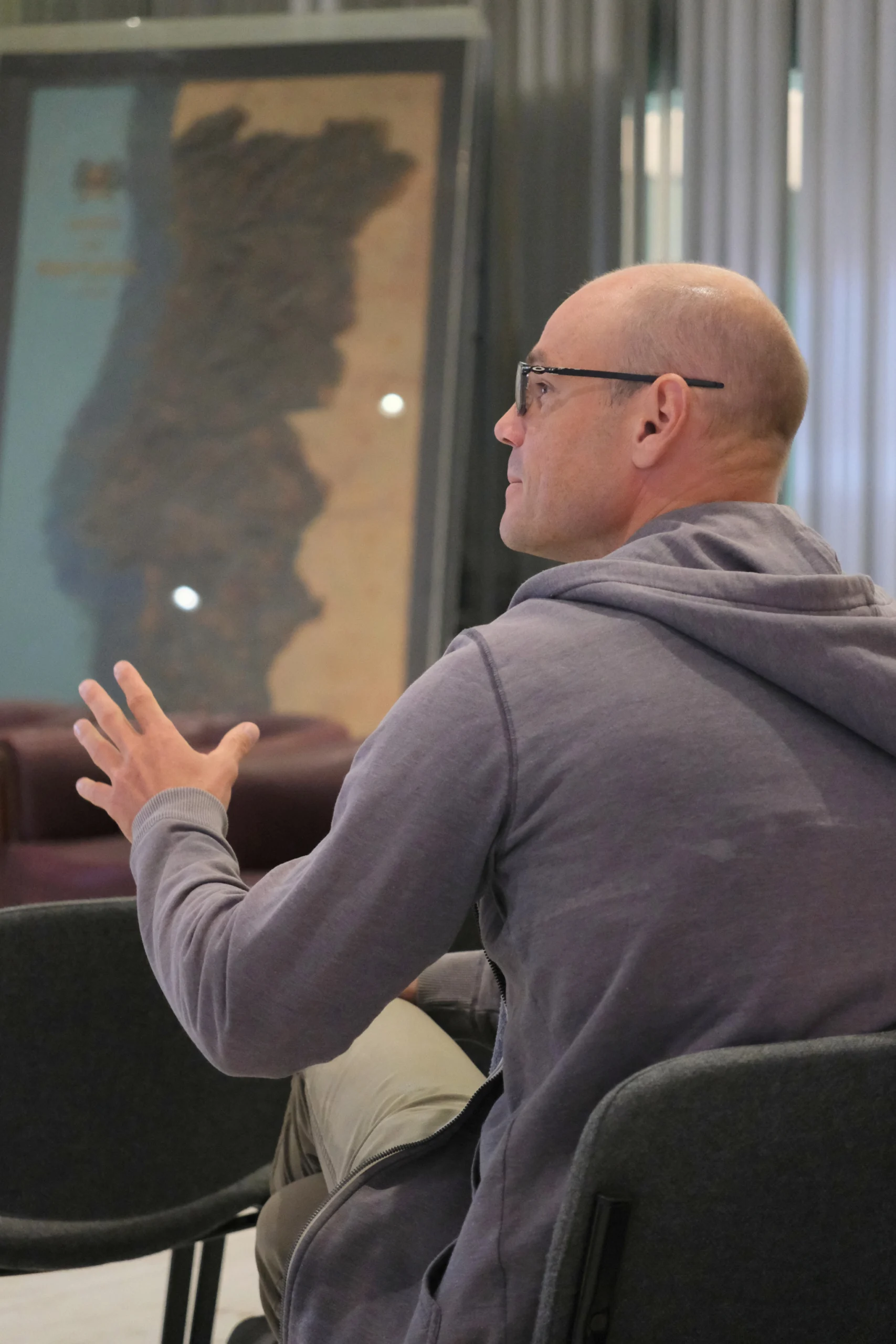
On 26 October 2026, CERIS hosted the seminar "Resilient Coasts: Dynamic Cobble Berm Revetments, High-Resolution LiDAR Monitoring and Wave Overtopping", delivered by Chris Blenkinsopp, Associate Professor in Water and Coastal Engineering at the University of Bath, UK.
With extensive experience in coastal hydrodynamics, morphodynamics and coastal hazard assessment, Chris Blenkinsopp presented his latest research on coastal processes, shoreline evolution and innovative approaches to improving coastal resilience. His work combines field and laboratory experiments, remote sensing, data analysis and numerical modelling to better understand the interactions between natural and engineered coastal environments.
The seminar addressed the growing challenges faced by coastal communities in the context of climate change, sea-level rise and increasing coastal hazards, highlighting the need for effective and adaptable coastal protection strategies.
The presentation focused on three main research areas:
Dynamic cobble berm revetments: Recent research investigating the potential of dynamically placed cobbles on the upper beach to provide robust and adaptable coastal protection in high-energy environments.
High-resolution LiDAR monitoring: The development of fully remote, self-powered LiDAR-based coastal monitoring stations and their application at gravel beaches in the UK.
Wave overtopping: An overview of recent research conducted in collaboration with the University of Lisbon, exploring wave overtopping processes and coastal hazard assessment.
By bringing together advances in coastal monitoring, experimental research and nature-inspired protection solutions, the seminar provided valuable insights into emerging approaches to understanding coastal dynamics and strengthening resilience against environmental pressures.
CERIS warmly thanks Chris Blenkinsopp for sharing his expertise and research insights, and Professor Diogo Mendes for the initiative and invitation that made this insightful lecture possible. We also extend our appreciation to all participants for their attendance, interest and engagement, which contributed to the success of the seminar and the discussion around resilient coastal engineering.