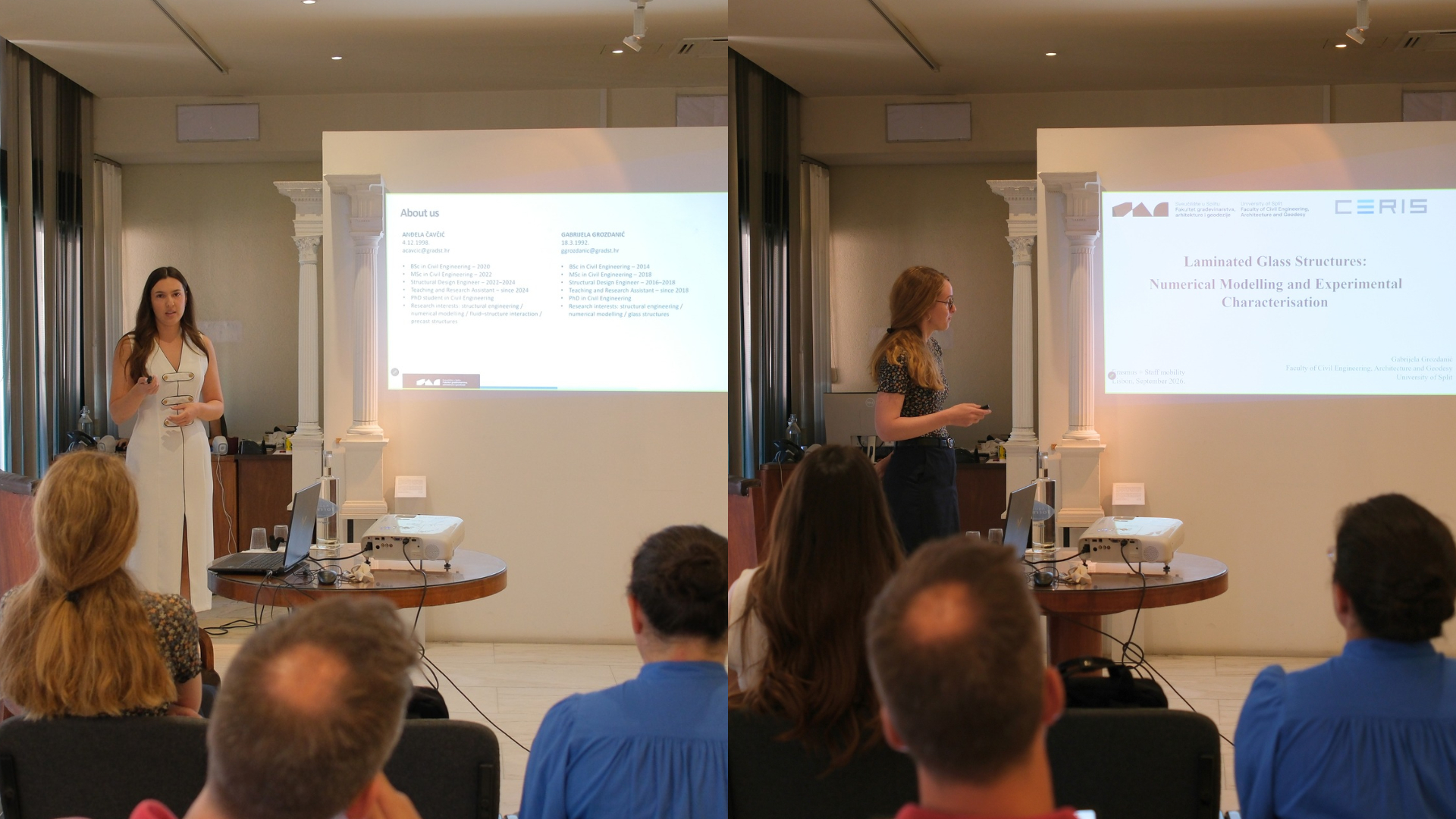
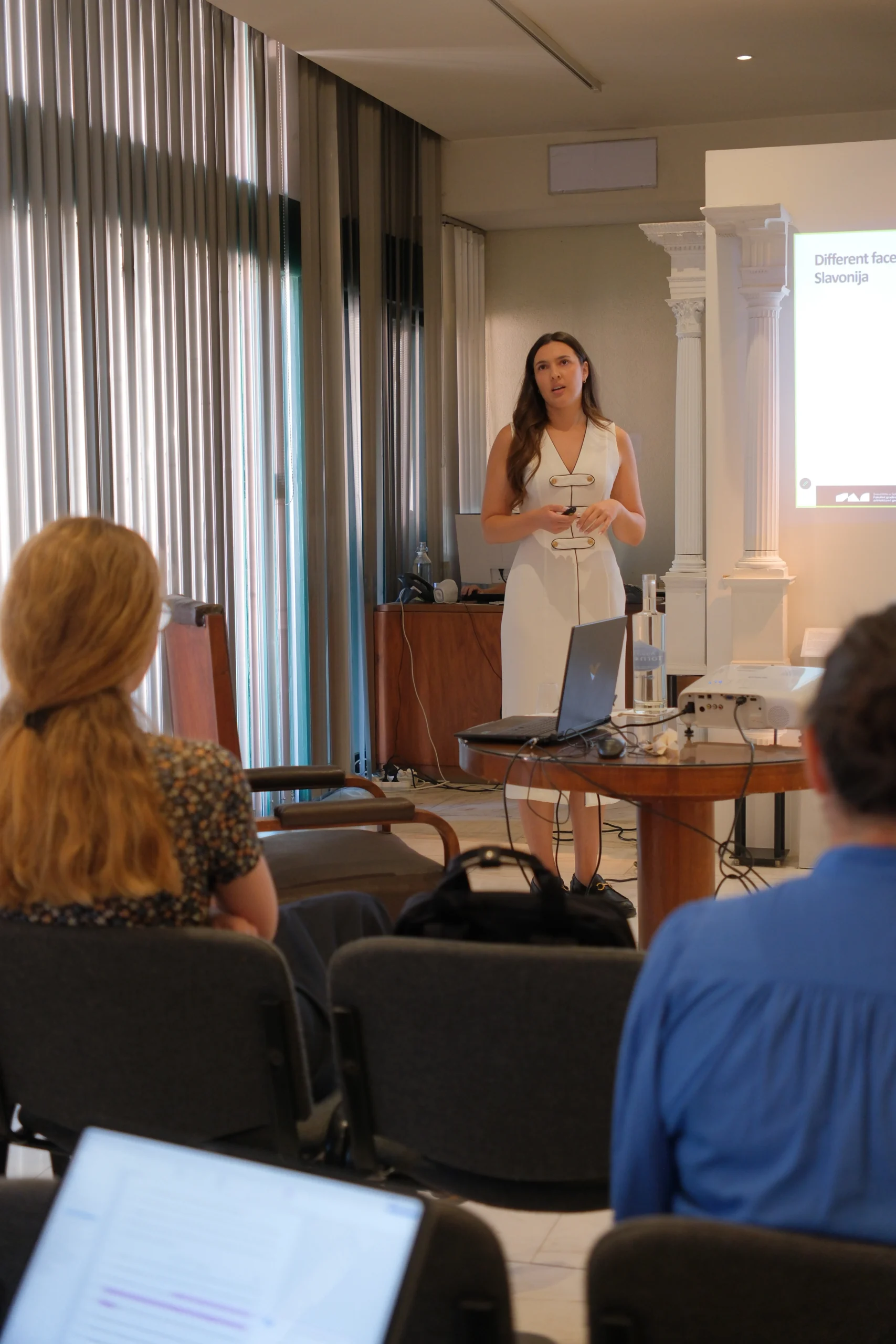
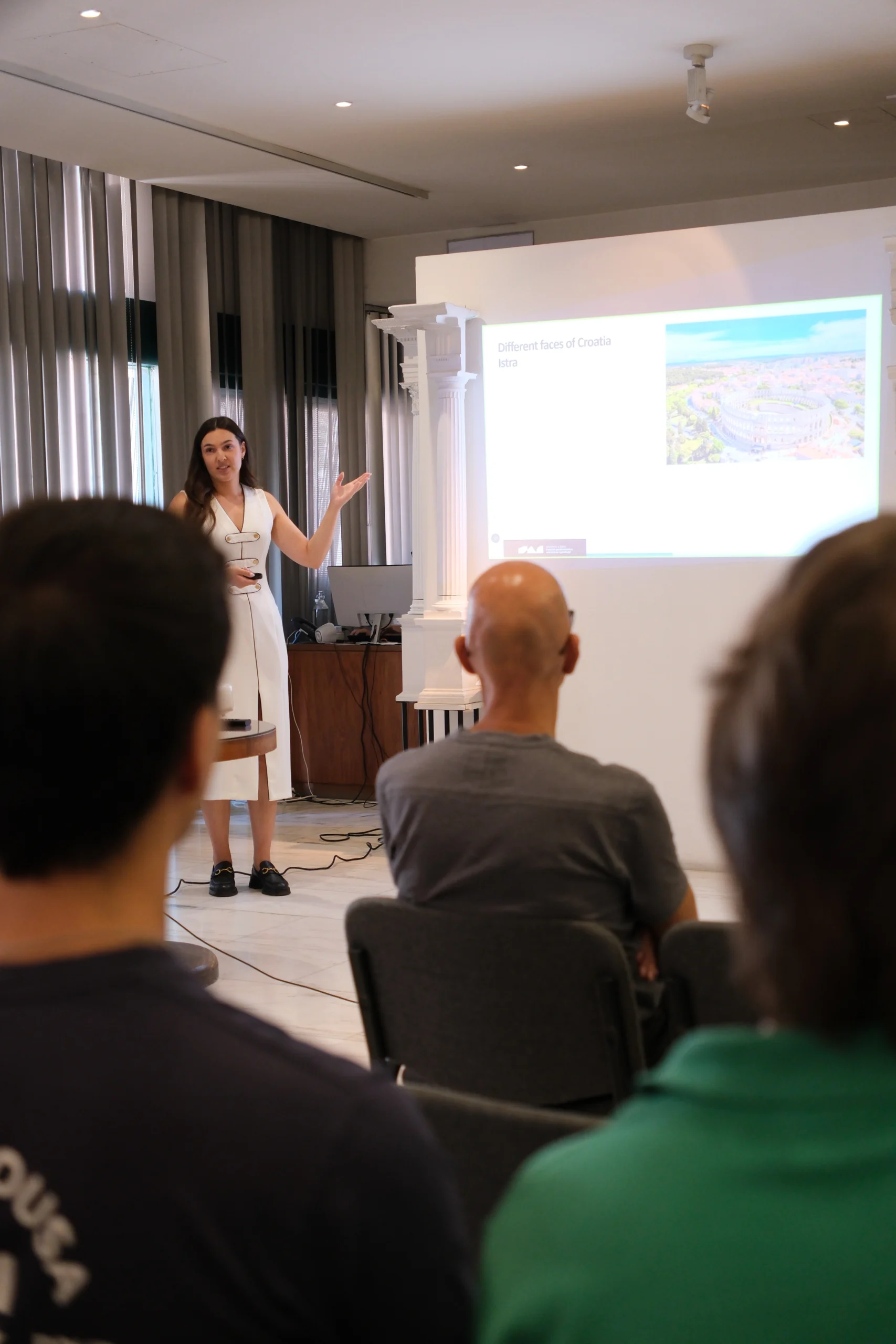
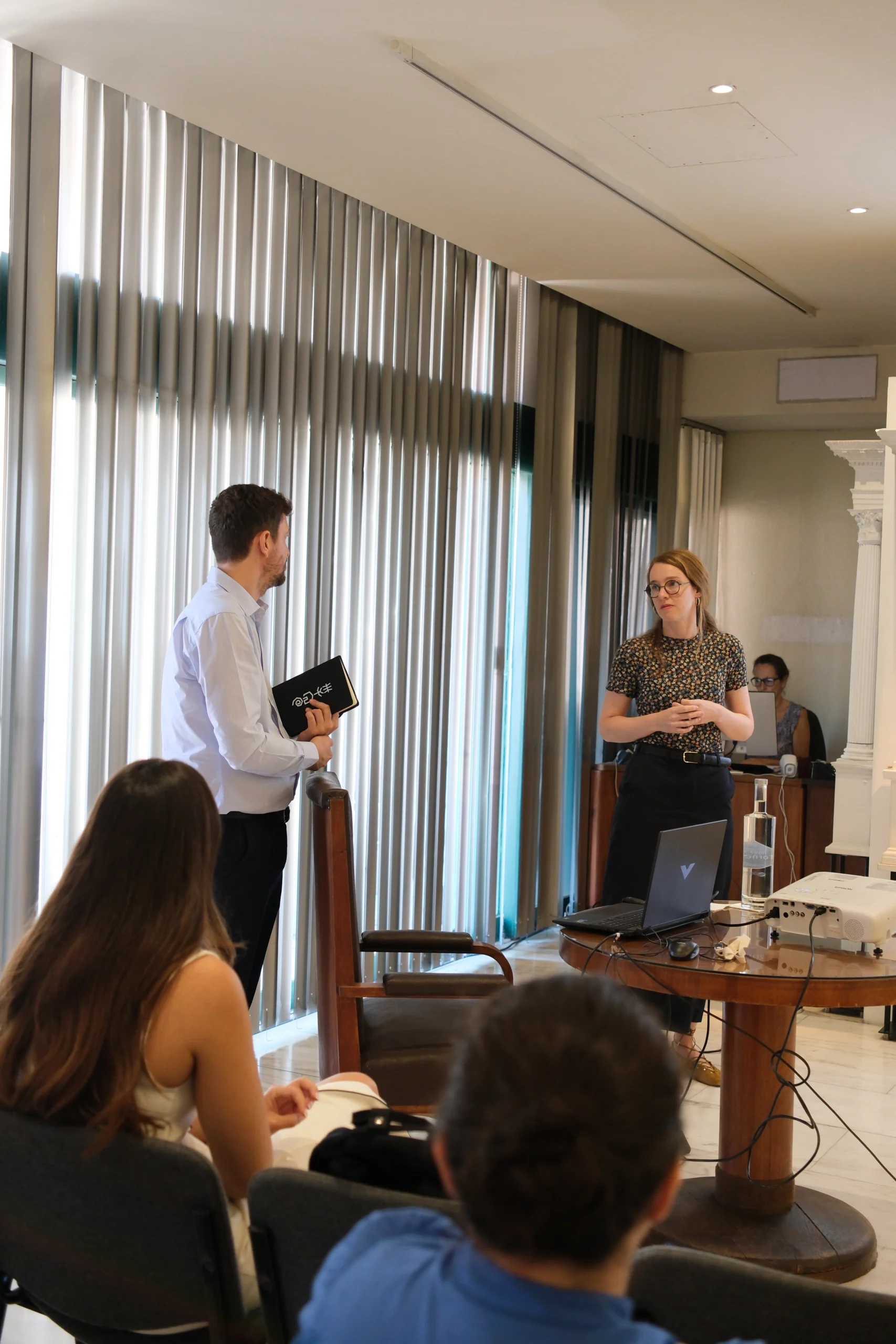
On 23 September 2026, CERIS hosted two seminars at the DECivil Museum, featuring researchers from the University of Split, Croatia.
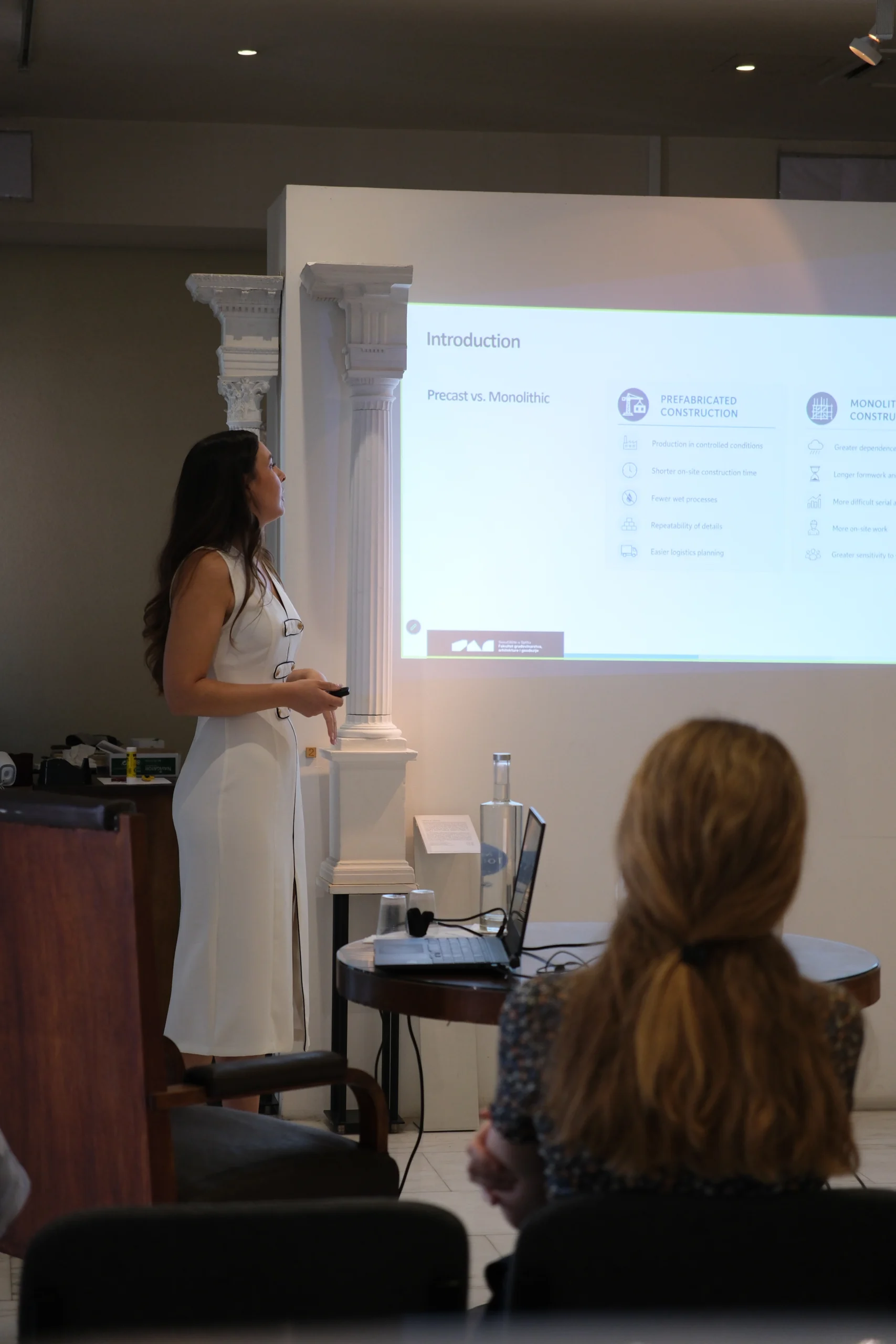
The first seminar, "Experimental Testing and Numerical Modelling of Precast Structures", was presented by Anđela Čavčić, Teaching and Research Assistant and PhD candidate at the University of Split. Her presentation focused on the experimental testing and numerical modelling of connections in prefabricated reinforced concrete structures, with particular emphasis on their behaviour under seismic loading. She discussed the structural concept of a modular system and the numerical analyses used to determine the governing forces in its connections. The seminar also presented experimental investigations into different dry mechanical connection configurations, examining the influence of bolt diameter and steel plate thickness on load-bearing capacity, damage development and failure mechanisms. The broader research programme, including full-scale wall panel testing and future shaking-table tests, was also introduced.
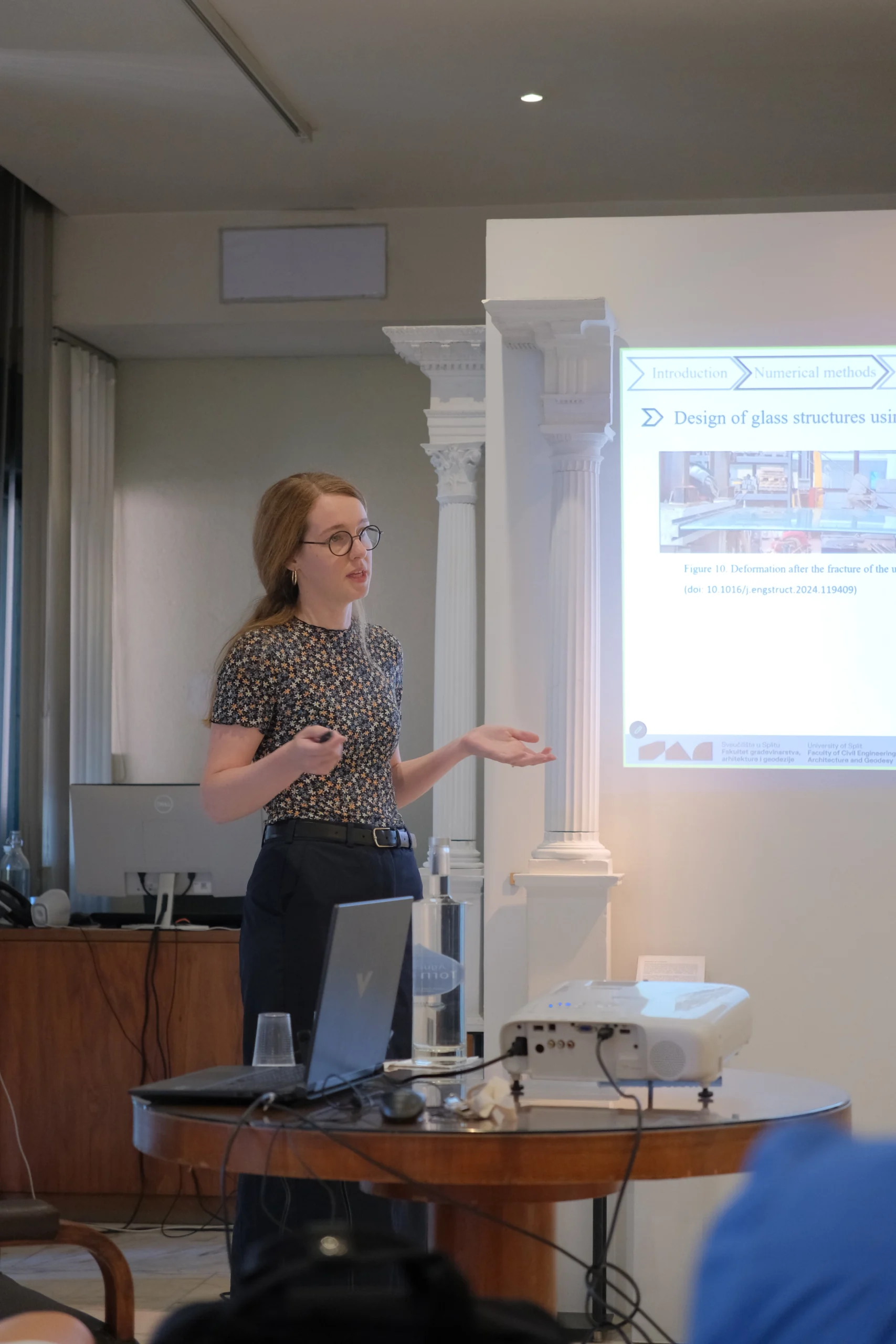
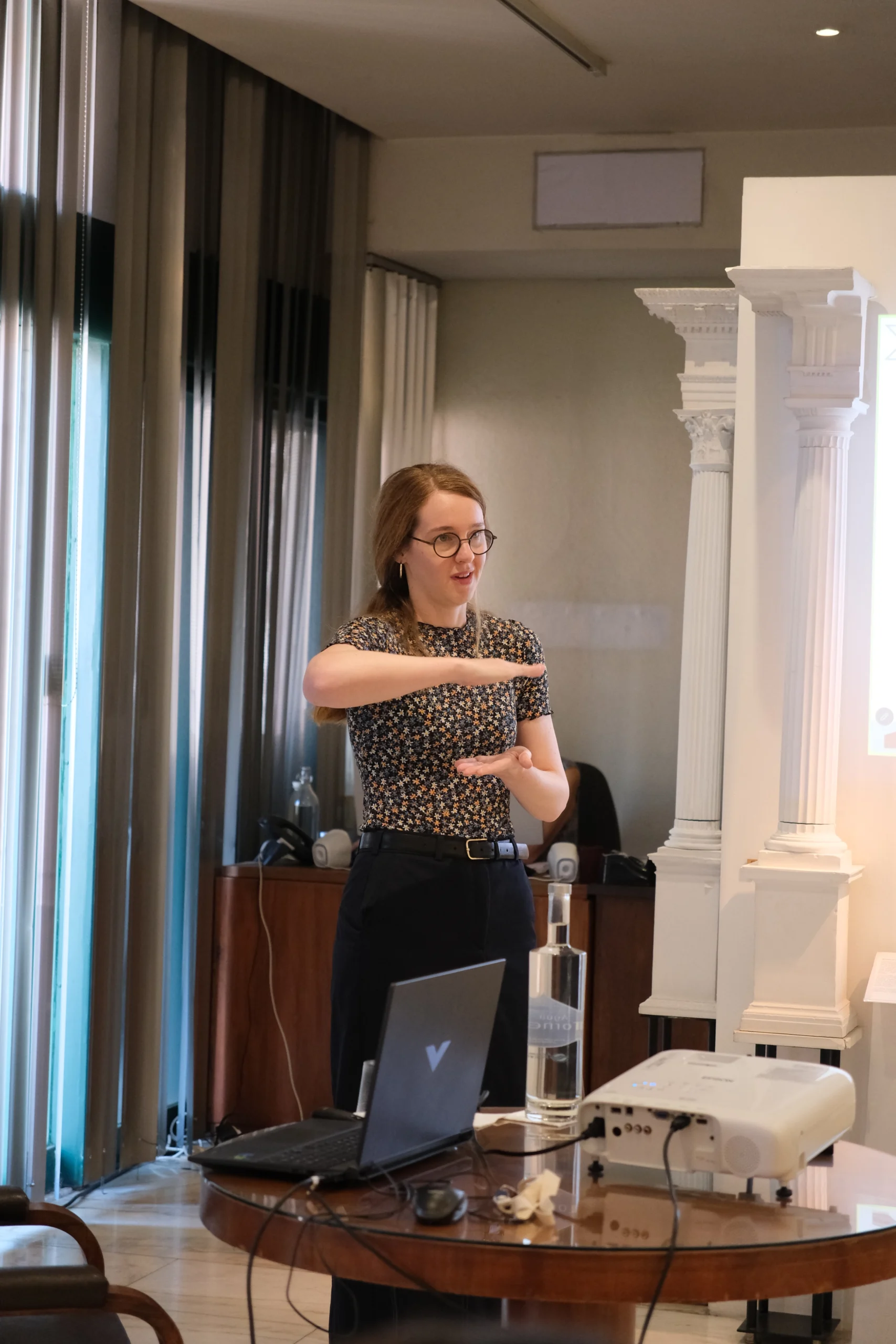
The second seminar, "Laminated Glass Structures: Numerical Modelling and Experimental Characterisation", was delivered by Dr Gabriela Grozdanić, postdoctoral researcher and senior assistant at the University of Split. Her presentation provided an overview of numerical methods for analysing laminated glass structures, discussing their capabilities and limitations across different limit states. Particular attention was given to a multiscale finite element model with embedded discontinuities, which links the detailed response of the laminated glass cross-section to the global behaviour of the structural element. This approach enables the representation of structural response and localised glass fracture within a computationally efficient framework. The seminar also addressed experimental characterisation, the behaviour of polymer interlayers under different time and temperature conditions, and the potential for the sustainable use of glass in construction.
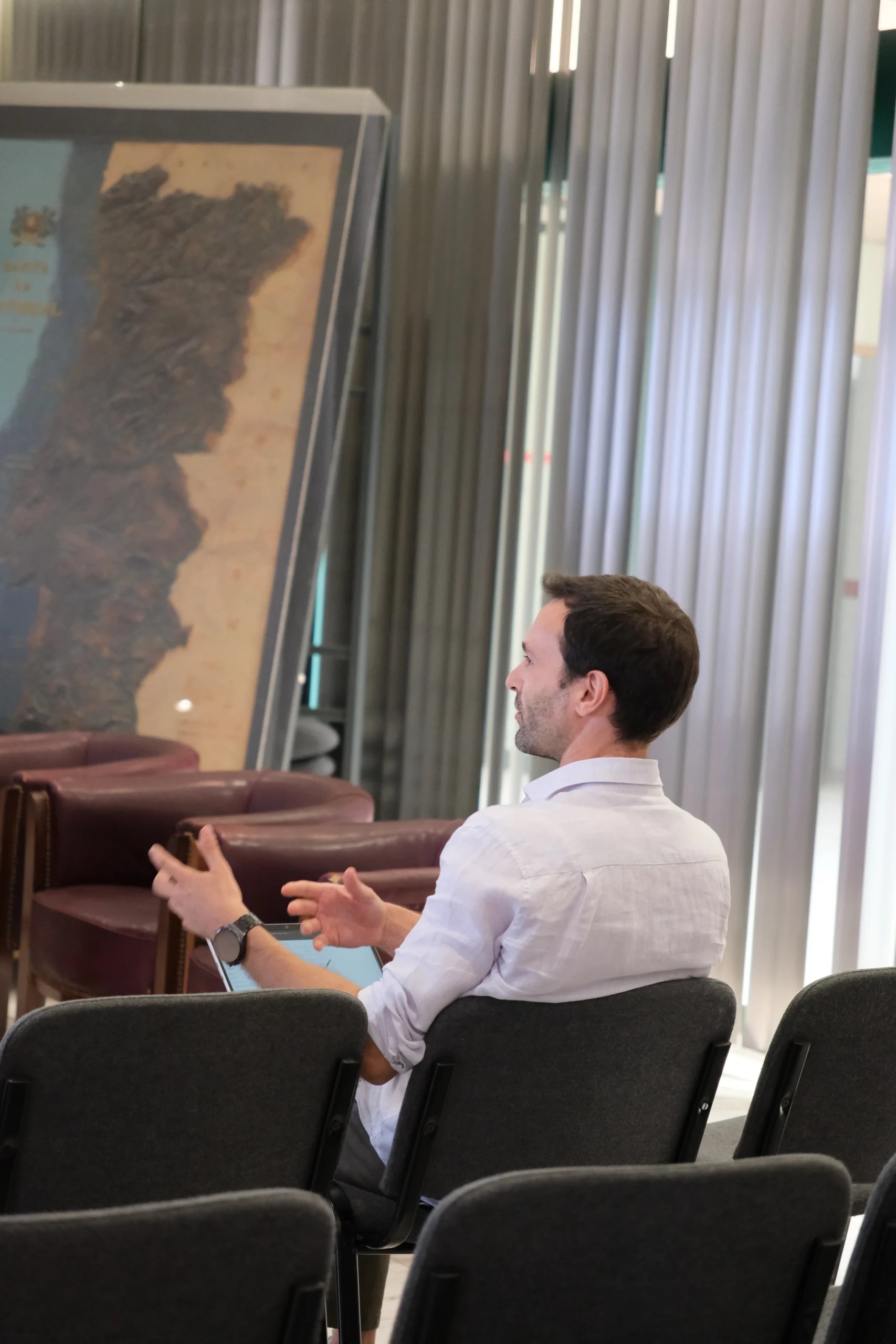
Both seminars highlighted the importance of combining experimental investigation and numerical modelling to improve the understanding and prediction of structural behaviour, contributing to the development of more reliable and innovative construction solutions.
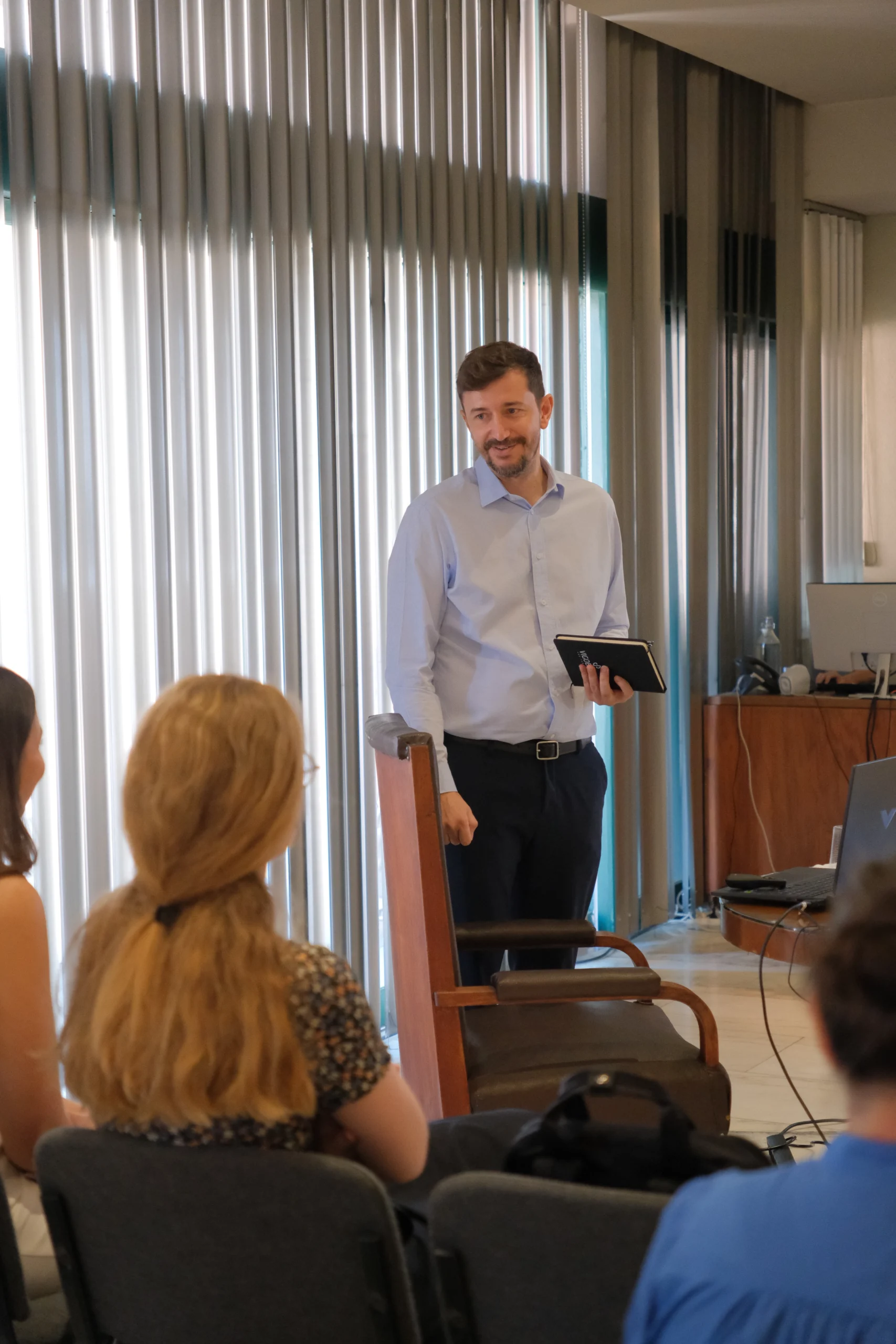
CERIS would like to thank Anđela Čavčić and Dr Gabriela Grozdanić for sharing their research and expertise, Professor André Furtado for organising this seminar initiative, and everyone who participated in the sessions and contributed to the scientific discussion.