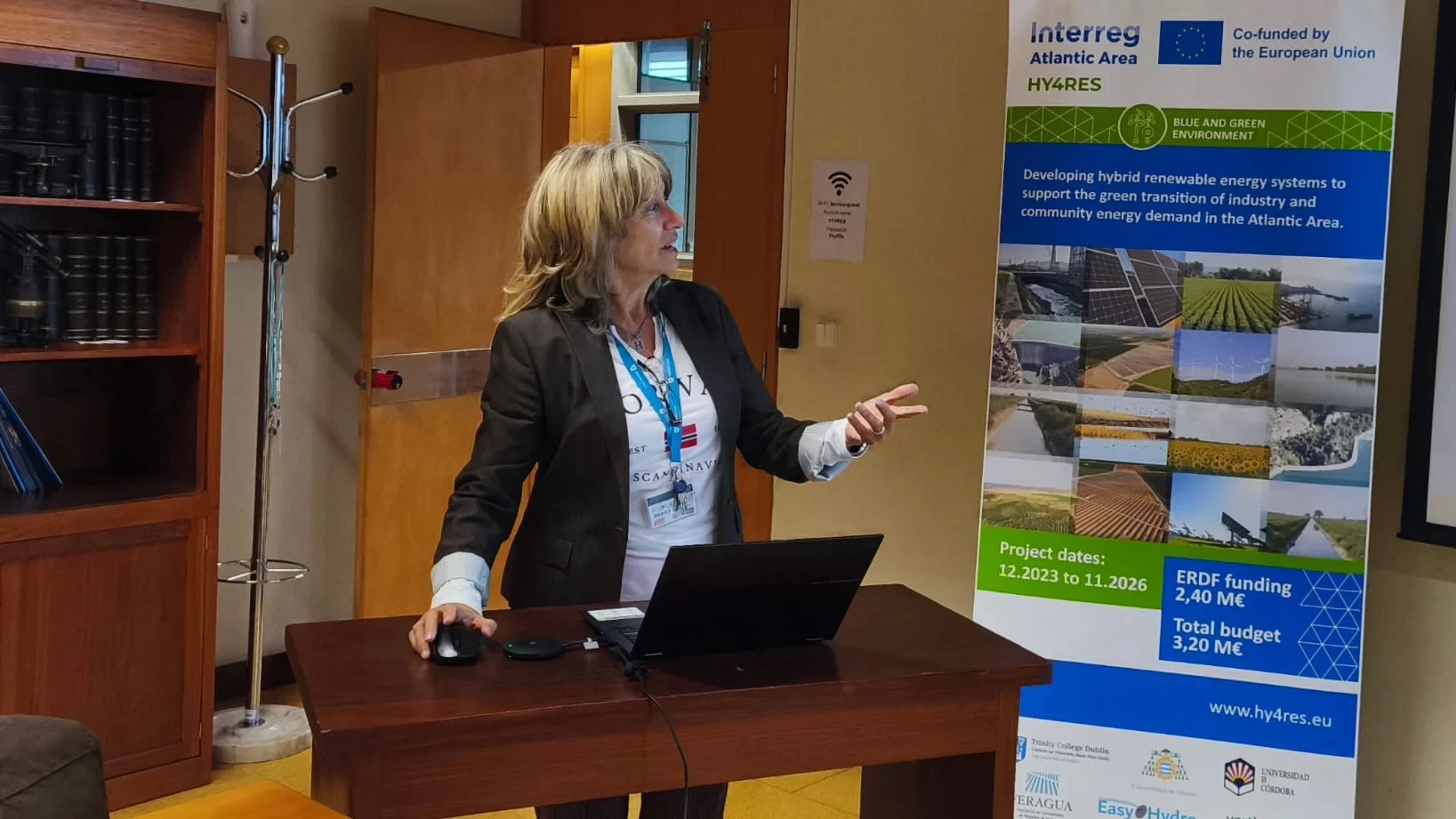
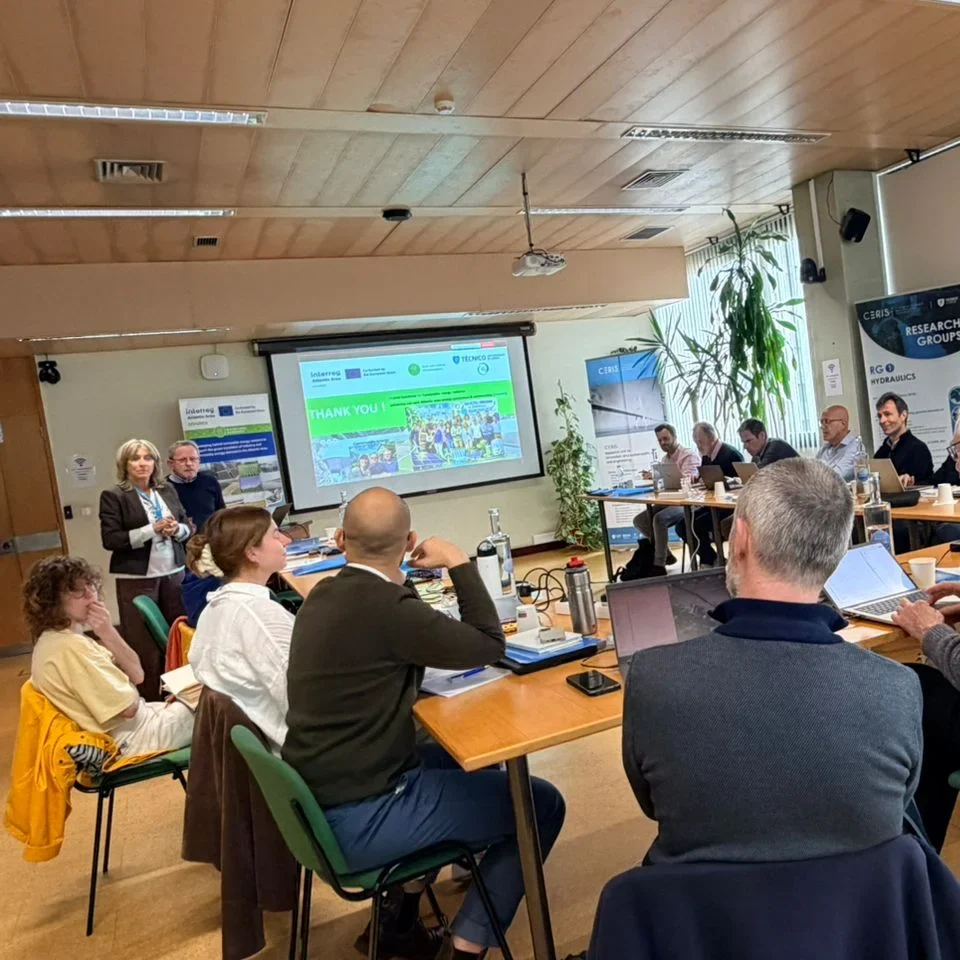
From 7 to 9 April 2026, Instituto Superior Técnico and CERIS hosted the HY4RES Partner Meeting in Lisbon, bringing together project partners for three days of collaboration, technical discussions and knowledge exchange focused on hybrid renewable energy systems and sustainable energy communities.
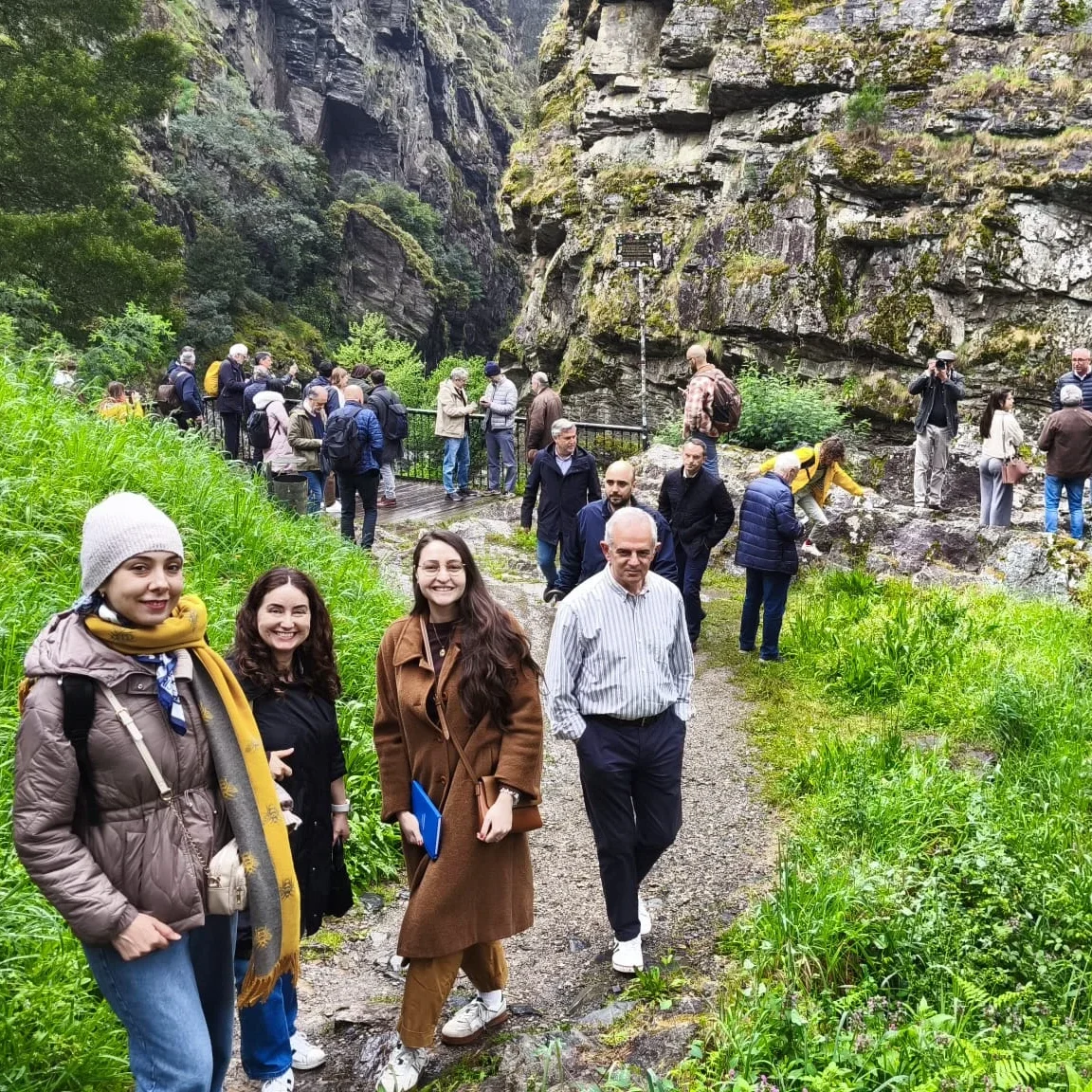
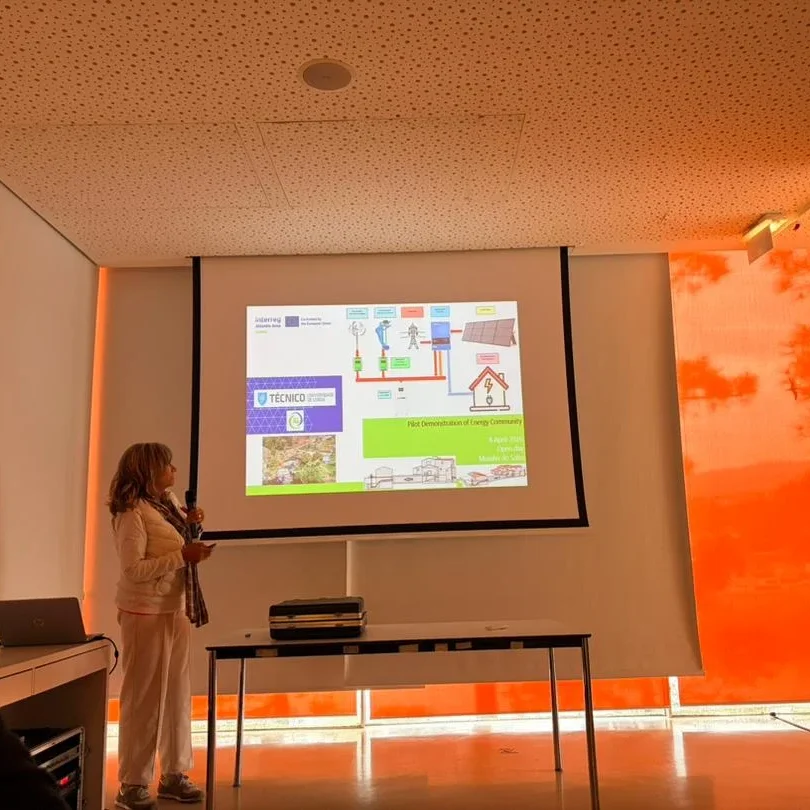
A major highlight of the programme was the HY4RES Open Day, held on 8 April 2026 at the Moinho da Senhora do Salto pilot site, in Paredes, Portugal, followed by a co-development workshop at the Lever Water Treatment Facility of Águas do Douro e Paiva (AdDP). The event was officially integrated into the European Sustainable Energy Week (EUSEW) 2026.
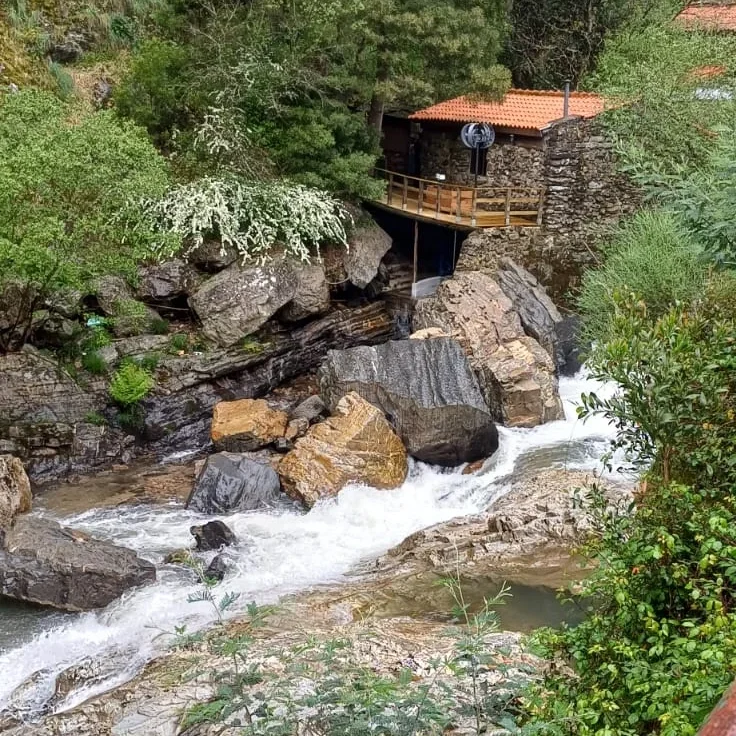
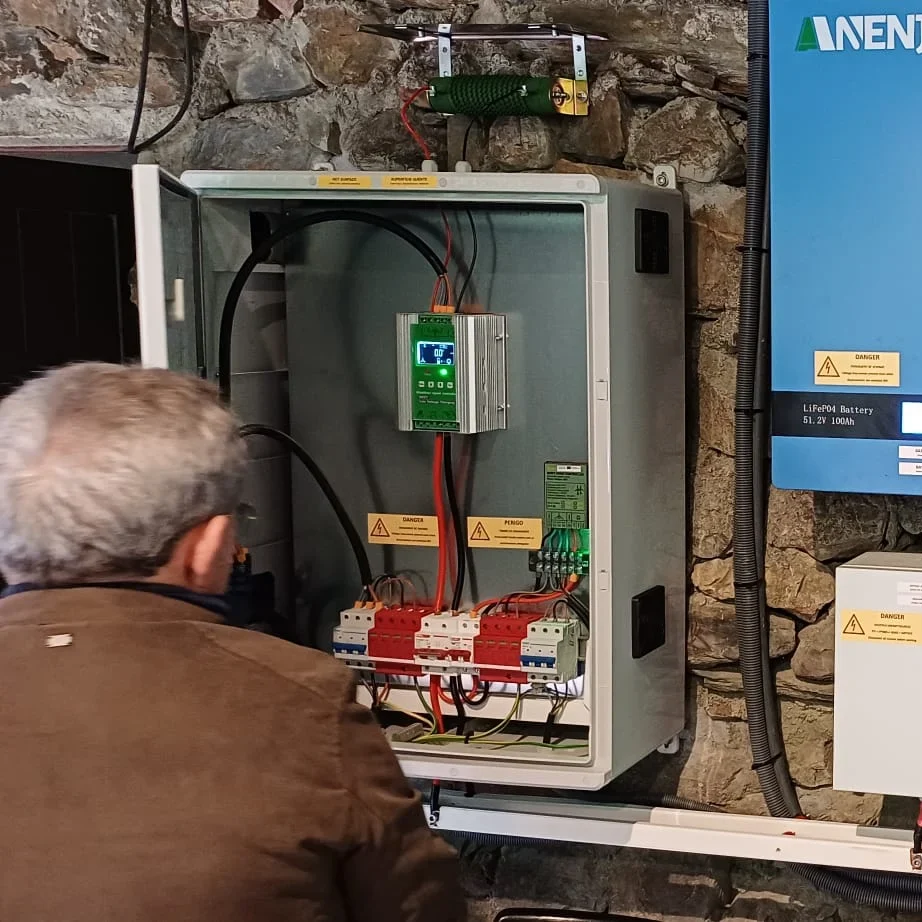
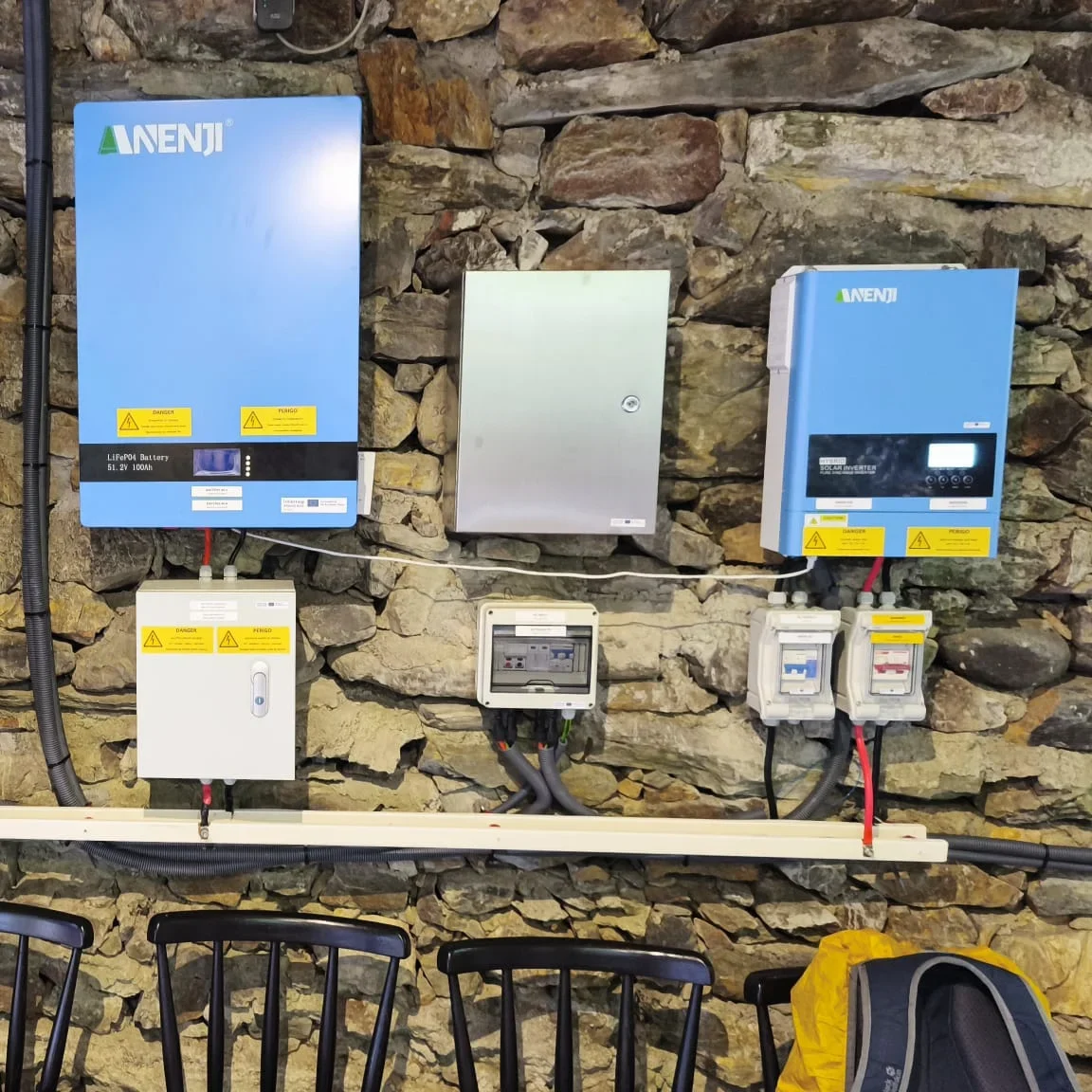
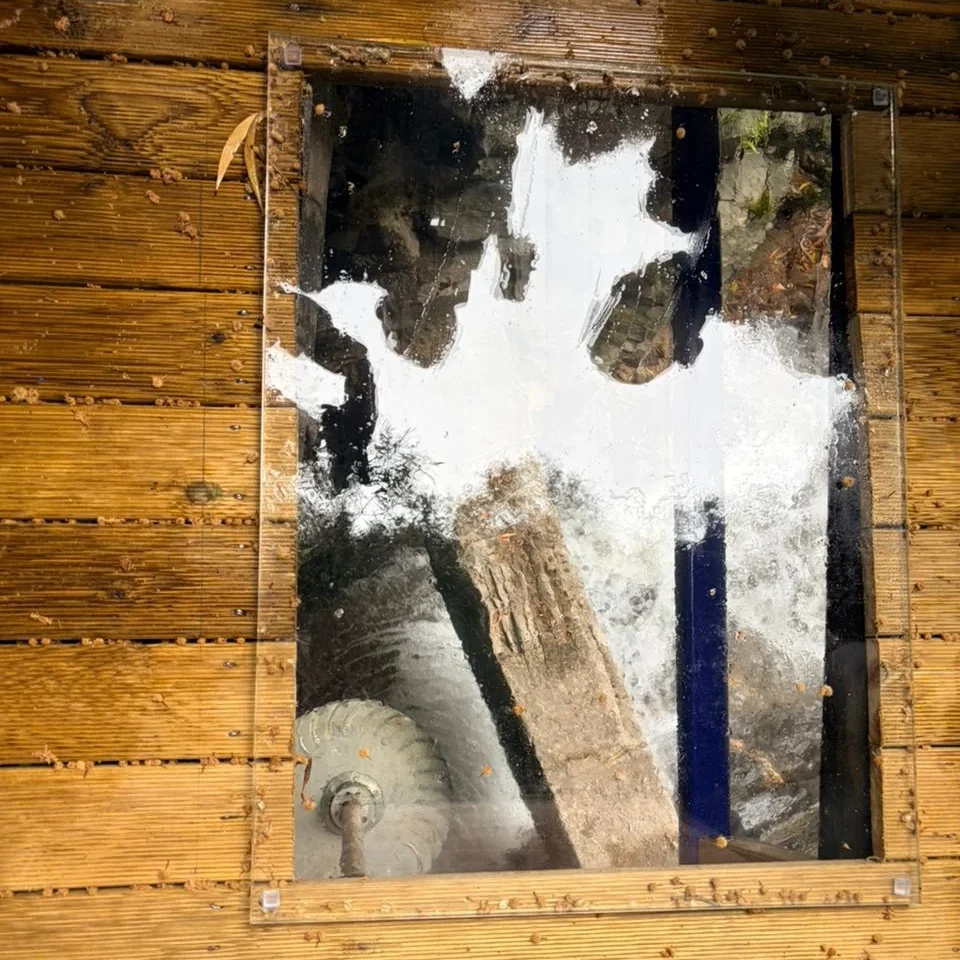
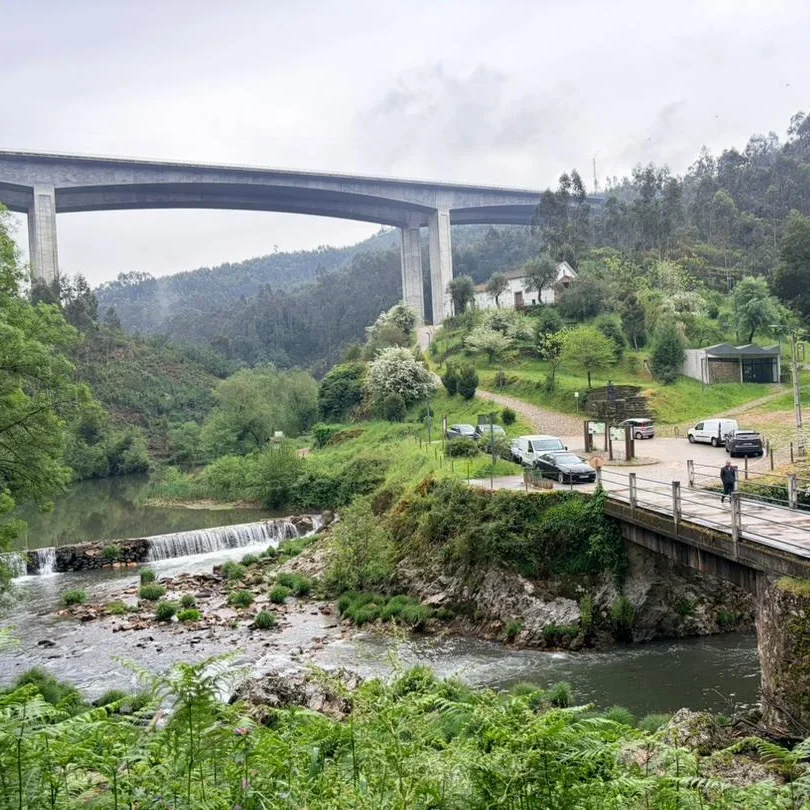
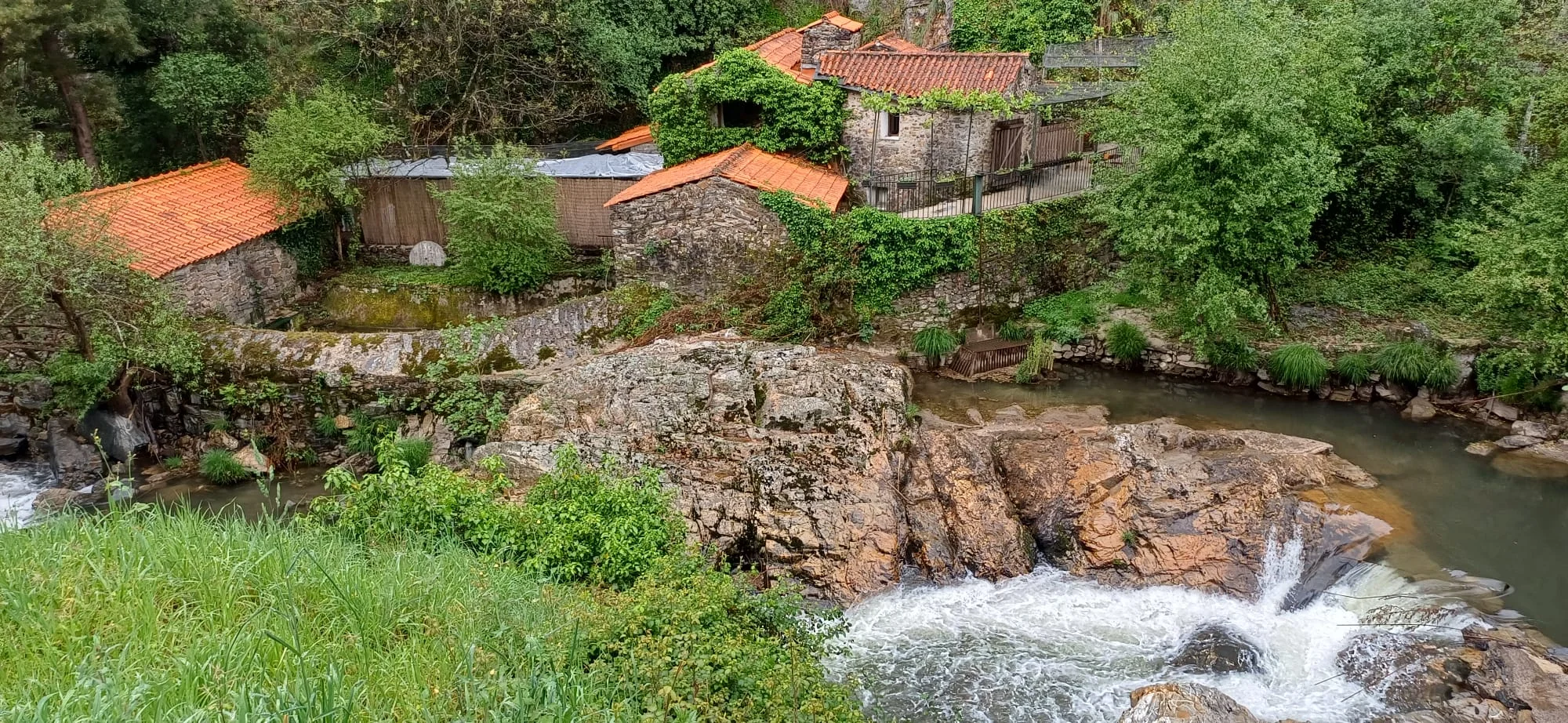
The Moinho da Senhora do Salto pilot serves as a flagship Portuguese “living lab” demonstrating how hybrid renewable energy systems can support local energy autonomy while respecting cultural heritage and natural landscapes. Located along the Sousa River, the historic water mill and its rehabilitated hydraulic infrastructure provide the foundation for a decentralised micro-grid integrating:
- a 3 kW micro-hydro unit,
- a 2.3 kWp solar photovoltaic array,
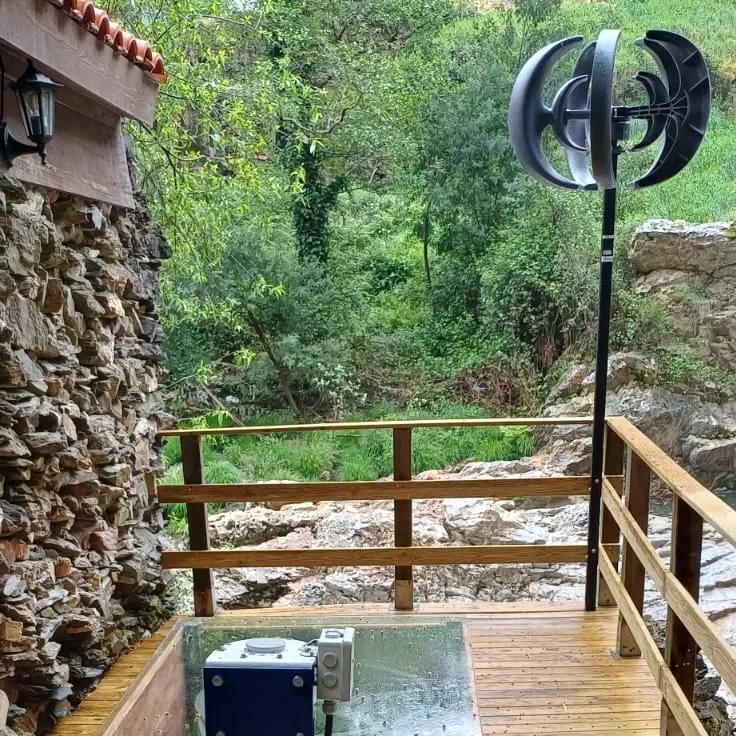
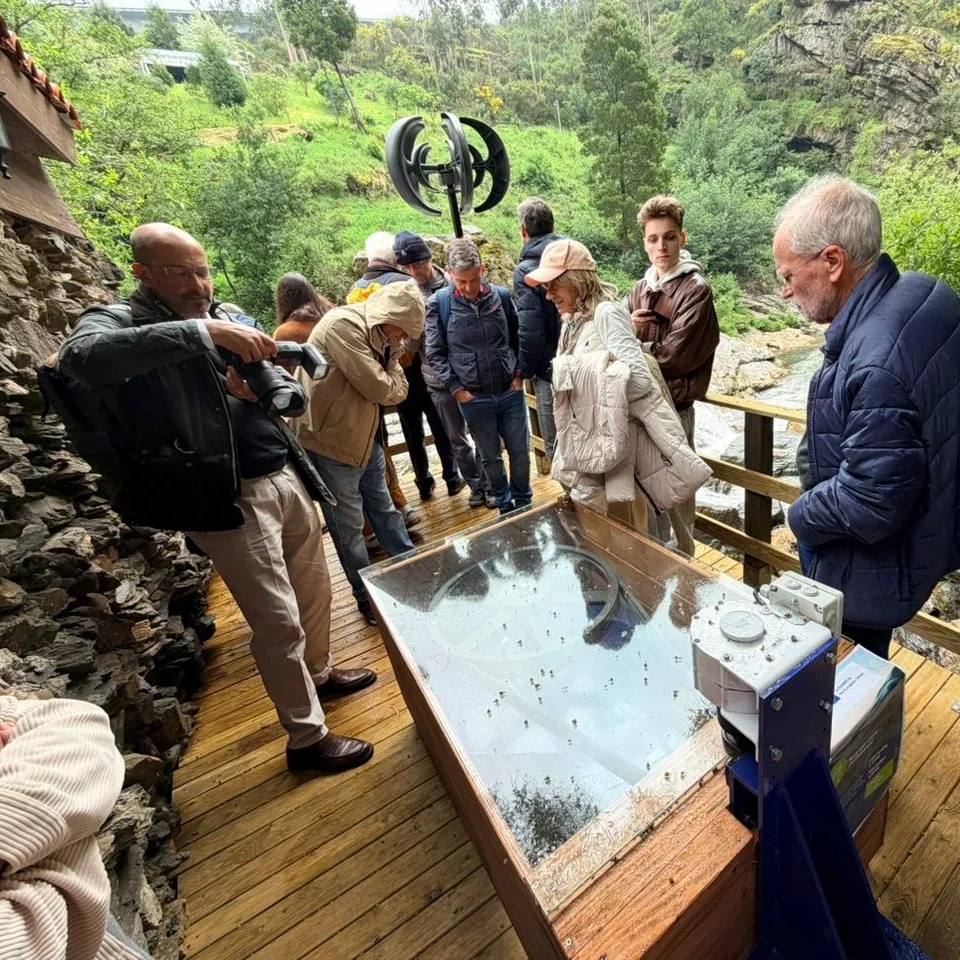
- a 1 kW low-speed wind turbine, and
- a battery storage and intelligent control system capable of optimising energy production and storage according to local conditions.
Participants explored the pilot site walking along the historic weir and levada while observing how solar, hydro and wind technologies operate together within a fully functional hybrid system. Discussions highlighted how heritage conservation and modern renewable technologies can coexist to support sustainable and resilient rural communities.
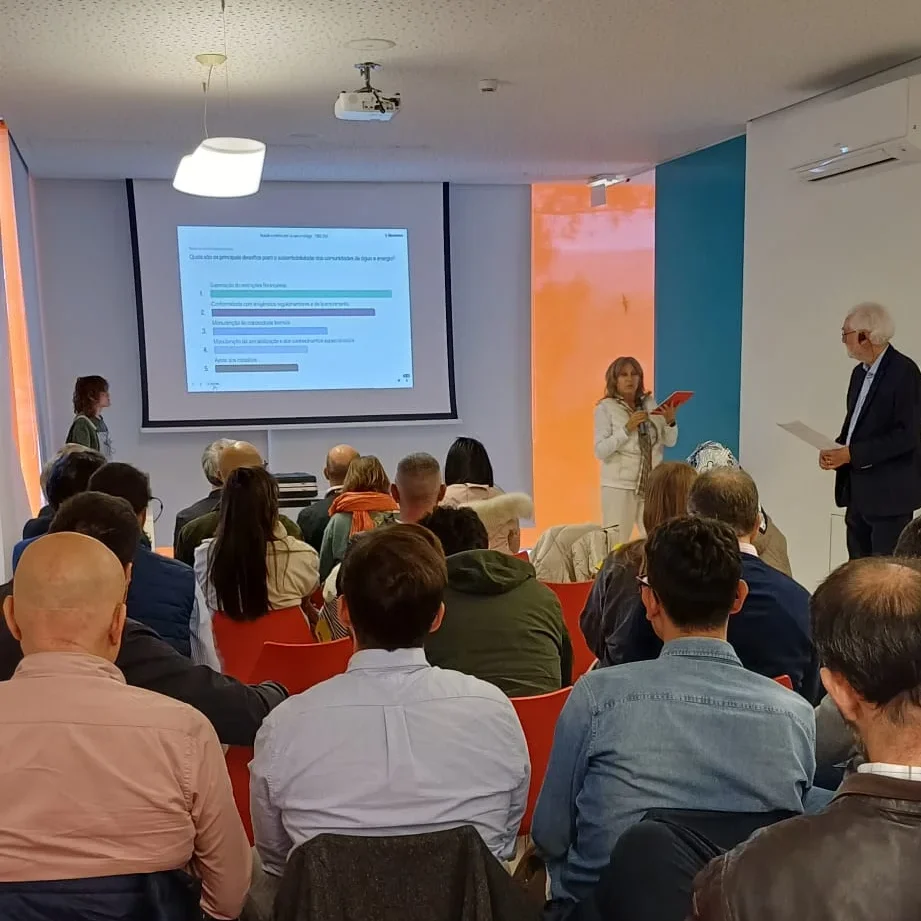
The afternoon workshop at the Lever Water Treatment Facility focused on the water-energy nexus and the role of hybrid systems in enhancing local energy resilience and sustainability. Researchers John Gallagher and Paul Coughlan (Trinity College Dublin) and Helena Ramos (Instituto Superior Técnico / CERIS) presented the HY4RES project and discussed how hybrid renewable systems can increase local self-sufficiency and support energy communities.
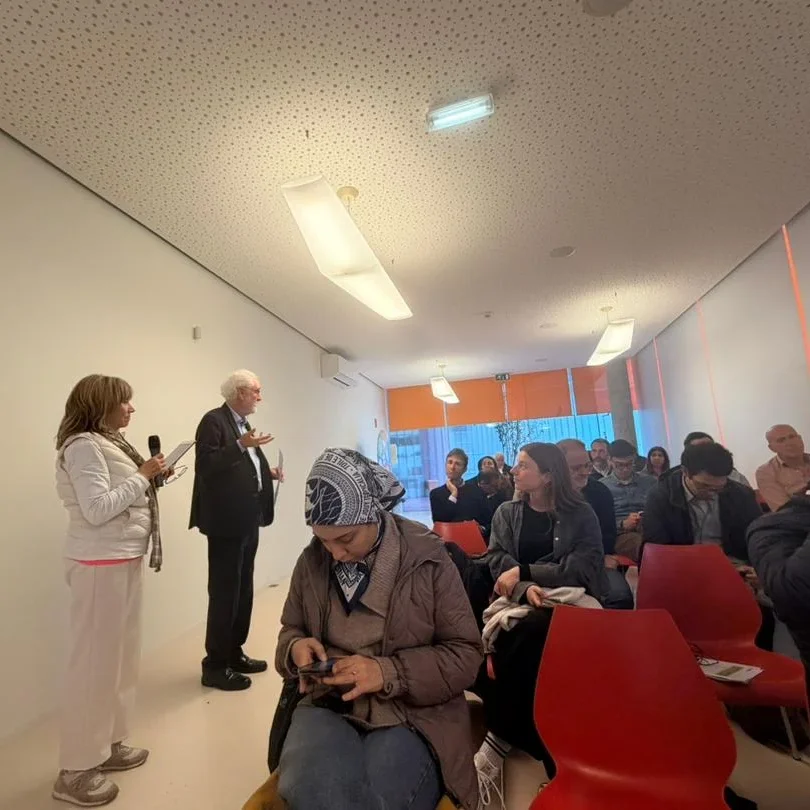
The workshop gathered around 35 participants, including researchers, technical experts, local stakeholders and community representatives. Through live polls, group discussions and collaborative sessions, participants explored regulatory challenges, sustainability assessment, AI-driven energy forecasting tools and strategies for scaling renewable energy solutions in rural and heritage contexts.
The event demonstrated the importance of collaboration between academia, industry, public utilities and local communities in advancing low-impact and decentralised renewable energy systems. It also reinforced the role of HY4RES in promoting innovative approaches to sustainability, resilience and energy autonomy across Atlantic Area Europe.
CERIS is proud to contribute to this international initiative and to support research and collaboration addressing the future challenges of the water-energy nexus and energy transition.
The Project
The project contributes to the specific objective of energy transition and decarbonization, promoting energy efficiency and reducing greenhouse gas emissions in the community energy, agriculture, aquaculture and port sectors. The HY4RES Project includes 4 EU countries (Ireland, Portugal, Spain and France) where four Pilot Plants are being developed in the aforementioned areas.
There are nine project partners, namely: Trinity College Dublin (Ireland), University of Córdoba (Spain), University of Oviedo (Spain), Técnico – University of Lisbon (Portugal), Vertigo Lab (France), Ig Energy (Portugal), AC3A (France), Feragua (Spain) and EasyHydro (Ireland).